Samsung Will Power Audi’s Car With Its New Exynos Auto V9
Dhir Acharya - Jan 05, 2019
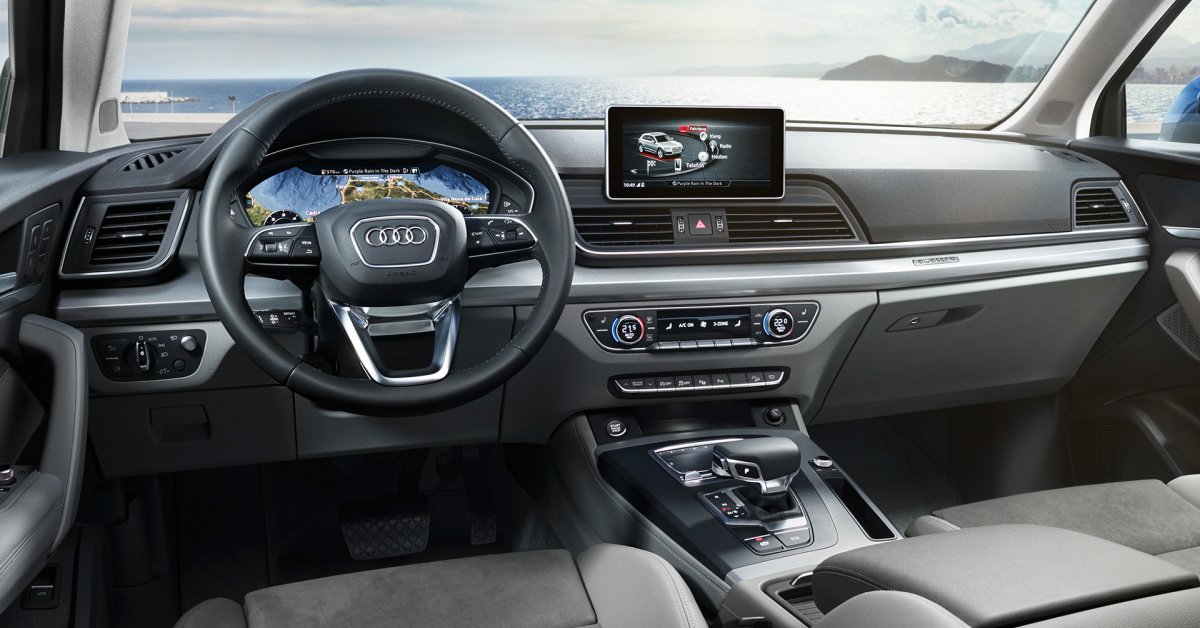
From 2021, we will see the first outcome of the partnership between Audi and Samsung, the Korean tech firm will power the infotainment system in Audi cars.
- Samsung Cuts Galaxy S26 Series Prices by Up to ₹19,000 in India
- Samsung Ocean Mode: Does It Make Your Galaxy Phone Waterproof?
- Samsung Galaxy S26 Series Sets New Pre-Order Records: Ultra Model Captures 70 Percent of Sales
We can finally see an outcome of the long-lasting collaboration between Audi and Samsung. From 2021, the giant Korean tech firm will power the upgraded interior infotainment system of Audi, using its Exynos processors. To do this, Samsung will develop its first chip for cars, called Exynos Auto V9.
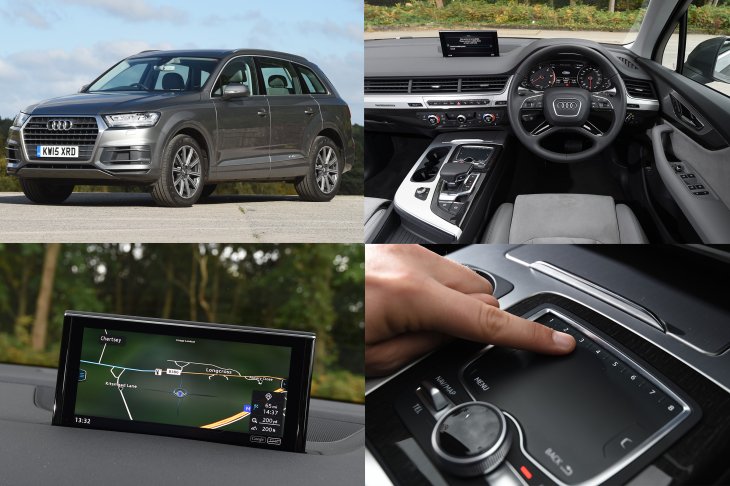
Their partnership was announced back in 2017, and in 2015, Samsung was the first memory provider to attend the Progressive SemiConductor Program by Audi. And now, Samsung’s Exynos Auto V9 will power Audi’s infotainment system, including audio features, multi-display capabilities (up to six screens), and 12 cameras.
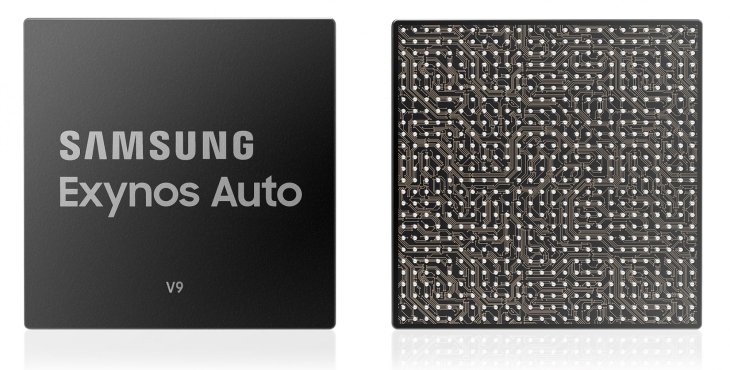
About the Exynos Auto V9, it’s an 8nm processor with eight Cortex-A76 cores from ARM. The chipset can operate at 2.1 GHz max speed, using Mali G76 GPU from ARM, an intelligent neural processing unit, as well as a HiFi 4 audio digital signal processor.
Last year, in October, the Korean tech giant also supplied Audi with its OLED display used on Audi e-Tron, which is the company’s first electric product. Reports also reveal that Samsung is working on a couple auto processors for smart automobiles.
However, it’s worth noting that software firms and vehicle makers can extend their partnerships beyond this in the future. In an electricity-powered vehicle, manufacturers use software systems to replace complicated mechanical systems used in internal combustion engine (ICE) vehicles.
One of the best examples for this replacement is the electronic control system for stability built in vehicles as a replacement for the Limited Slip Differential used in most of the other cars. Tesla uses this electronic system to provide the wheels with individual braking for maintaining a customized amount of torque in each wheel, following requirements. In ICE vehicles, the complex Limited Slip Differential does this task, which is formed with many mechanical components and a total weight of 7 kilograms.
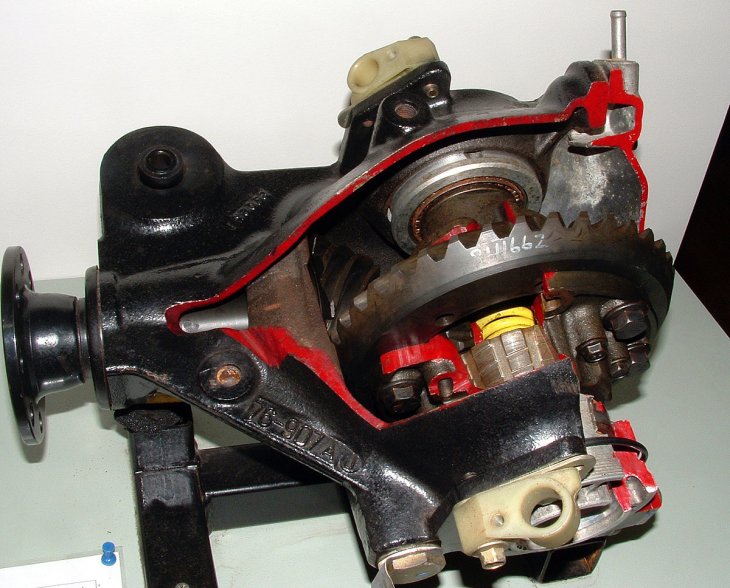
Limited Slip Differential
The critical role of software in electric or autonomous automobiles was recognized when the Audi e-Tron launch was delayed for four weeks later than its initial schedule.
Featured Stories

ICT News - Apr 13, 2026
DDR4 RAM Prices Finally Fall After Soaring More Than 2,200 Percent

ICT News - Apr 06, 2026
Artemis II Crew Enters Moon's Gravitational Sphere on Historic Day 5

ICT News - Mar 31, 2026
DDR5 RAM Prices Finally Easing: Relief for PC Builders in 2026

ICT News - Mar 29, 2026
FTC Takes Action Against Debanking Practices by Major Financial Firms

ICT News - Mar 27, 2026
Palantir CTO Identifies Iran Conflict as First Large-Scale AI-Driven War

ICT News - Mar 24, 2026
OpenAI on the Brink: Major Setbacks Signal the Bursting of the AI Bubble

ICT News - Mar 20, 2026
Top 10 Most Popular Social Media Sites Based on User Count in 2026

ICT News - Mar 19, 2026
Billion Dollar Blunder: Meta Shuts Down Metaverse After Wasting $80,000,000,000.00

ICT News - Mar 18, 2026
X to Introduce Regional Controls for Posts and Replies

ICT News - Mar 17, 2026
Is DLSS 5 Helping Games or Hurting Developers' Creative Style?
Read more
Mobile- Apr 19, 2026
Samsung Cuts Galaxy S26 Series Prices by Up to ₹19,000 in India
If you are planning to upgrade, this is a good time to check the latest offers on your preferred model.
Comments
Sort by Newest | Popular