Not Radiation: What Is Causing the Strange Genetic Evolution of Chernobyl’s Dogs?
admin - Feb 25, 2025
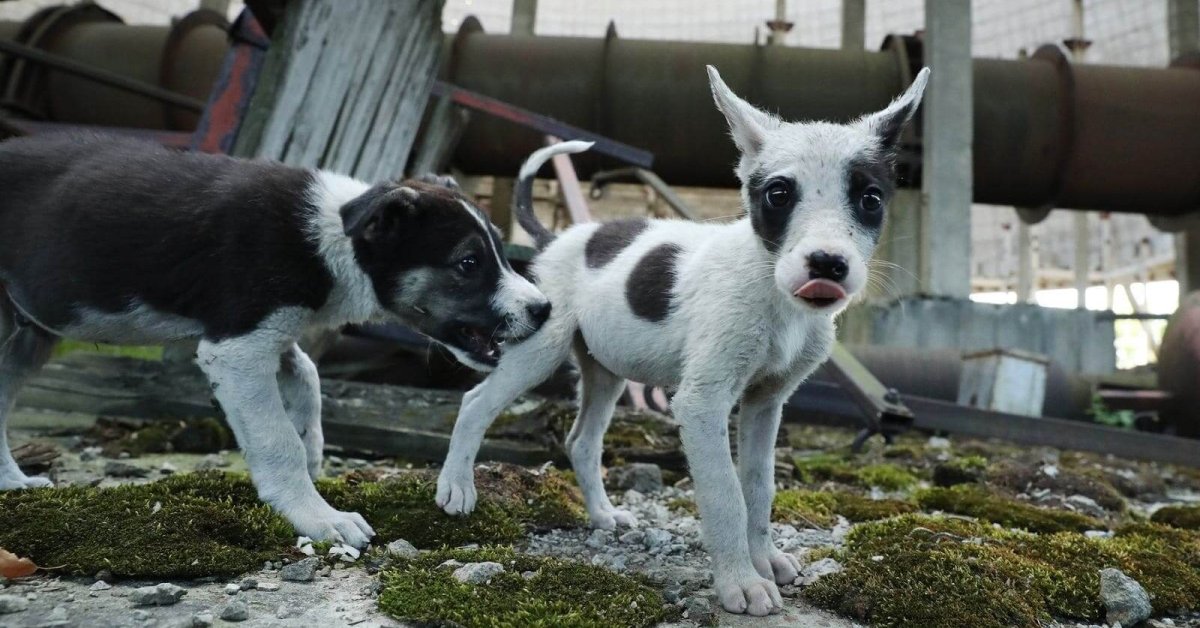
For years researchers believed that the dogs surviving in the highly radioactive zone of Chernobyl would exhibit strong genetic mutations, helping them adapt to the harsh environment. However, the latest studies have completely overturned this hypothesis.
- Ukrainian Supermarket Chain Opens Its New GTA-Inspired Venue
- Man Becomes TikTok Phenomenon Just By Staring Into Camera
- Defeated By Claw Machine 200 Times, Man Calls Police
These Chernobyl's dogs show no significant genetic mutations due to radiation—at least not in terms of their DNA. So, what has caused them to change so dramatically?
On April 26, 1986, the Chernobyl nuclear disaster left catastrophic consequences across the entire region, contaminating thousands of square miles with radiation. Residents were forced to evacuate, leaving behind their beloved pets. Nearly four decades later, the descendants of these abandoned dogs continue to live in the Exclusion Zone, and scientists are investigating how radiation has affected them.
For years, researchers believed that the dogs surviving in the highly radioactive zone would exhibit strong genetic mutations, helping them adapt to the harsh environment. However, the latest studies have completely overturned this hypothesis.
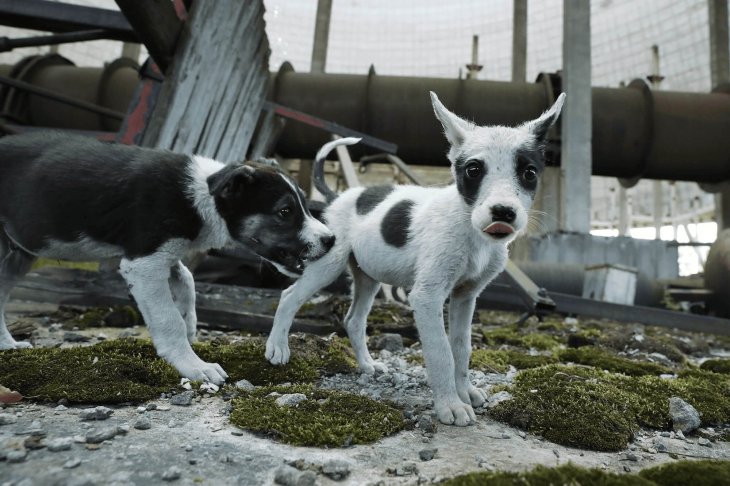
Groundbreaking Research on Chernobyl’s Dogs
In 2023, an international team of scientists collected and analyzed DNA samples from dogs living in and around the Chernobyl area. They discovered significant genetic differences between the dogs in the Exclusion Zone and those in other parts of Eastern Europe. However, the most surprising finding was that there was no evidence linking these genetic changes to radiation exposure.
To confirm this, by late 2024, the research team conducted a deeper analysis, searching for radiation-induced genetic mutations at the smallest levels of DNA—examining everything from chromosomes to individual nucleotides. They expected to find an unusually high mutation rate, similar to what had been observed in other organisms inhabiting radioactive environments, such as algae, rodents, and insects.
However, the results were the exact opposite of their expectations. These dogs showed no significant genetic mutations caused by radiation. So, what is responsible for their unique genetic evolution?
Possible Explanations for Genetic Changes
One hypothesis is genetic drift—random changes in gene frequencies that occur when a population is isolated in a specific area. Over time, this can lead to distinct genetic differences between groups.
However, a more compelling theory suggests that natural selection has driven the evolution of Chernobyl’s dogs, helping them adapt to the toxic environment.
Radiation is not the only hazard in Chernobyl. Since the disaster, the region has been contaminated with lead, due to the thousands of tons of heavy metals used to seal off the destroyed reactor. Additionally, pesticides and other hazardous chemicals have been sprayed in the area for years to control plant growth. If the genetic changes in these dogs are not caused by radiation, they might be linked to an increased resistance to toxins.
Challenges in Continuing Research
Scientists are eager to further investigate this phenomenon by collecting new blood samples from the dogs in Chernobyl. However, ongoing conflicts between Russia and Ukraine since 2020 have made such efforts extremely difficult.
Meanwhile, previous studies have confirmed that other species in Chernobyl do show high mutation rates due to radiation. Birds, rodents, insects, and even trees have exhibited radiation-induced genetic changes. For example, algae in the area have developed mechanisms to absorb and process radiation, while some wild mice have significantly higher mutation rates than normal.
But Chernobyl’s dogs are different. If their genetic changes are not linked to radiation, it suggests that they have adapted to something else—possibly the extreme pollution in the region.
Professor Matthew Breen, one of the lead researchers, stated:
“These dogs may have survived the disaster for a specific reason—and if we can uncover that reason, it could completely change our understanding of how organisms adapt to extreme environments.”
In other words, the mystery of Chernobyl’s dogs may not only help us understand survival in the wake of a nuclear disaster but also provide insights into how humans could adapt to toxic environments in the future.
Could this research pave the way for a new direction in evolutionary biology? And if these dogs have indeed evolved to resist toxins, what does that mean for our own future?
Featured Stories

ICT News - Sep 19, 2026
Washington Acknowledges Operational Weapons in Earth Orbit

ICT News - Aug 04, 2026
Telegram Vanishes from Apple App Store Worldwide

ICT News - Jul 31, 2026
Russian Buyer Finds Water Bottle in $1,125 Graphics Card Box

ICT News - Jul 29, 2026
The RAM Crisis: Graphics cards shoot up in prices again

ICT News - Jun 27, 2026
OpenAI Launches Limited GPT-5.6 Preview Amid U.S. Security Review

ICT News - Jun 16, 2026
Elon Musk Becomes World's First Trillionaire After SpaceX's Record IPO

ICT News - Jun 14, 2026
The Technological Revolution at the 2026 FIFA World Cup

ICT News - Jun 03, 2026
Apple's Liquid Metal Hinge Poised to Deliver Breakthrough for Foldable iPhone...

ICT News - May 29, 2026
New Glenn Rocket Explodes in Massive Fireball During Static Fire Test at Cape...

Mobile - May 24, 2026
Comments
Sort by Newest | Popular