Story About Driverless Vehicle Built By A 16-Year-Old And India’s First Humanoid Robot
Harin - Dec 08, 2018
As the age of automation is approaching, we brought to you the story of India's first humanoid robot and driverless cars built by a 16-year-old boy.
- Delhi Is The World’s Most Polluted Capital City For Three Years In A Row
- Indian Farmers Install High-Tech, Night-Vision CCTV Cameras To Protect Themselves
- Looking For The Best Electric Bike In India 2021? Take A Look At These
Automation can be seen as a positive future for transportation, manufacturing, customer service, and logistics. And these developments are happening right in India. The robots are becoming more human.
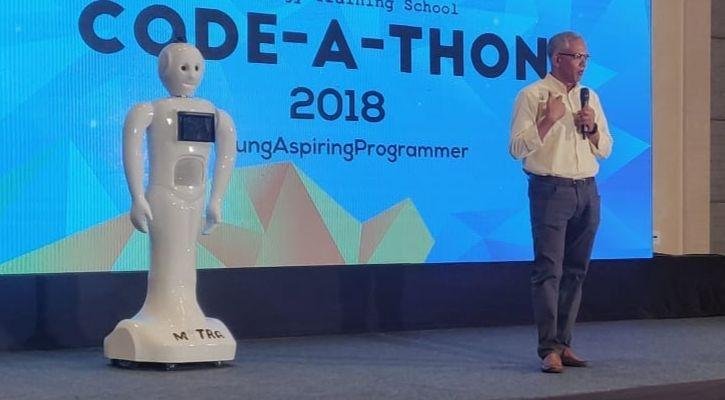
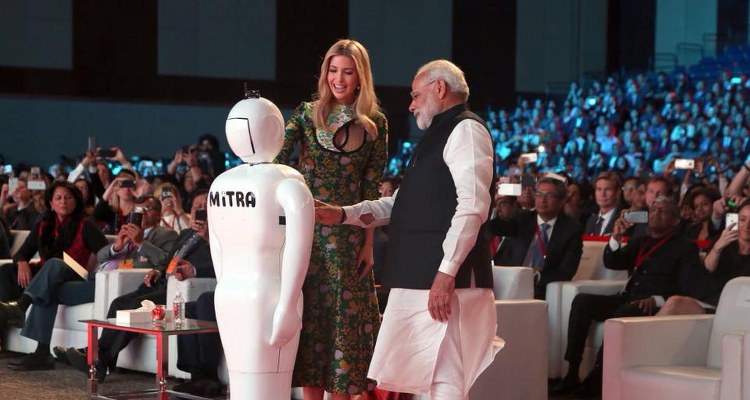
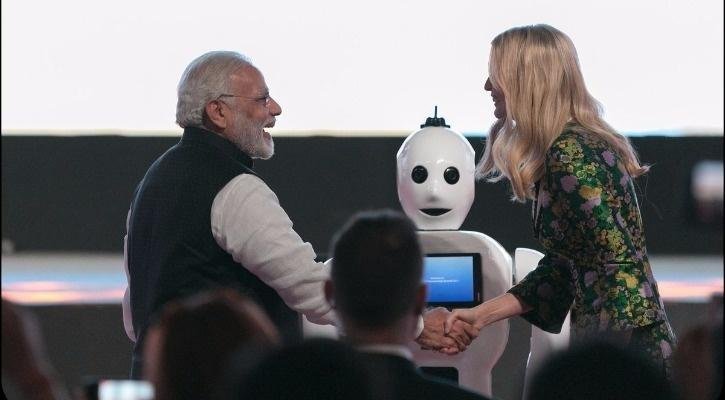
First are sibling robots from Invento Makerspaces based in Bengaluru, Mitra, and Mitri. Mitra made its first appearance at the 2017 Global Entrepreneurship Summit. At the summit, the robot greeted important guests like Ivanka Trump and Narendra Modi. These robots are designed to become human’s personal assistants and are supported by AI (Artificial Intelligence) systems. The robots are equipped with conversation engines, facial recognition capabilities and sensors for indoor navigation purpose.
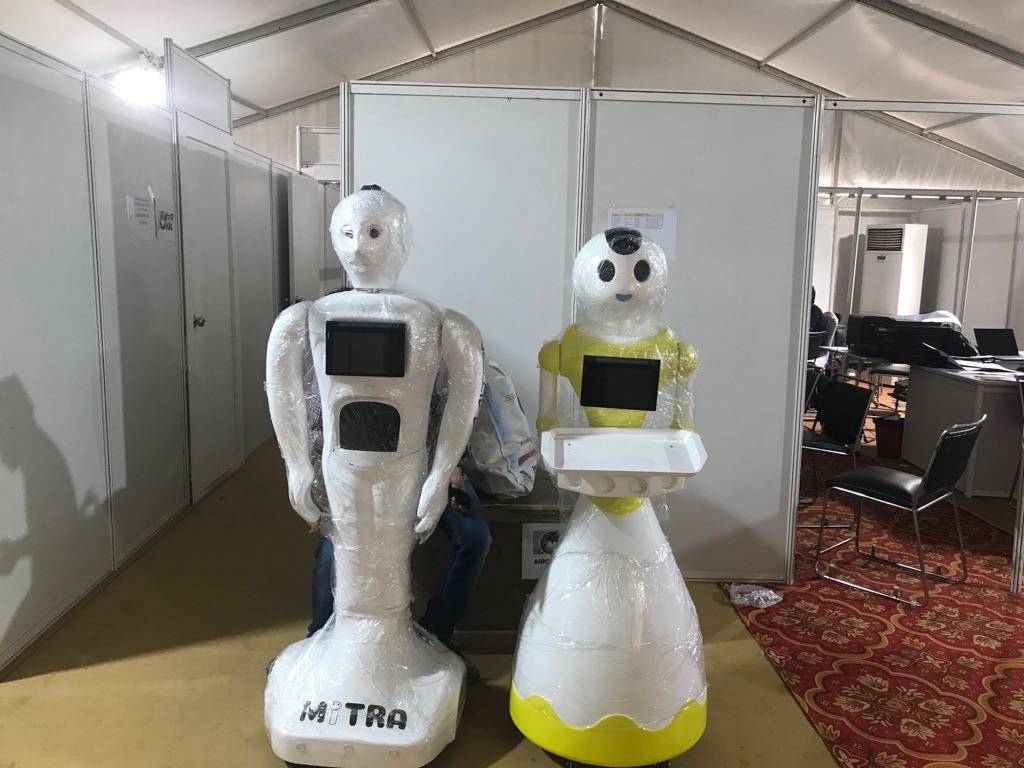
Balaji Vishwanathan, CEO of the startup, said that originally driverless vehicles are what he wanted to make. The company wanted to make driverless scooters, instead of driverless cars, since scooters could move easily within Indian city premises. However, as the technology and the laws were not ready yet, they decided to divert to indoor technology. A short time after that, speech engines and more were added to make a completely functional robot helper.
Currently, according to Vishawanathan, the most common places for robot helpers are malls and other retail places. In these spaces, with your permission, of course, will use your personal data to look for precisely what you want. Moreover, your face will even be memorized for future visits. Beside these retail places, Visshwanathan also envisions these robots working in other fields. Showing his excitement, he said three more years in the future, you could enter a hospital located in rural areas and be greeted by a robot.
These are just robot helps that can be our personal assistants but 16-year-old Saad Nasser is in the process of developing robots to work behind the scene. Together with Saurabh, he is Ati Motors’ co-founder, the startup behind Sherpa.
Sherpa is a completely electric driverless cargo vehicle. It has three wheels, two are in the front and one is in the rear. It looks similar to a low-riding cart that can drive itself. The main idea is to use the bot in factories, depots, and other industrial spaces.
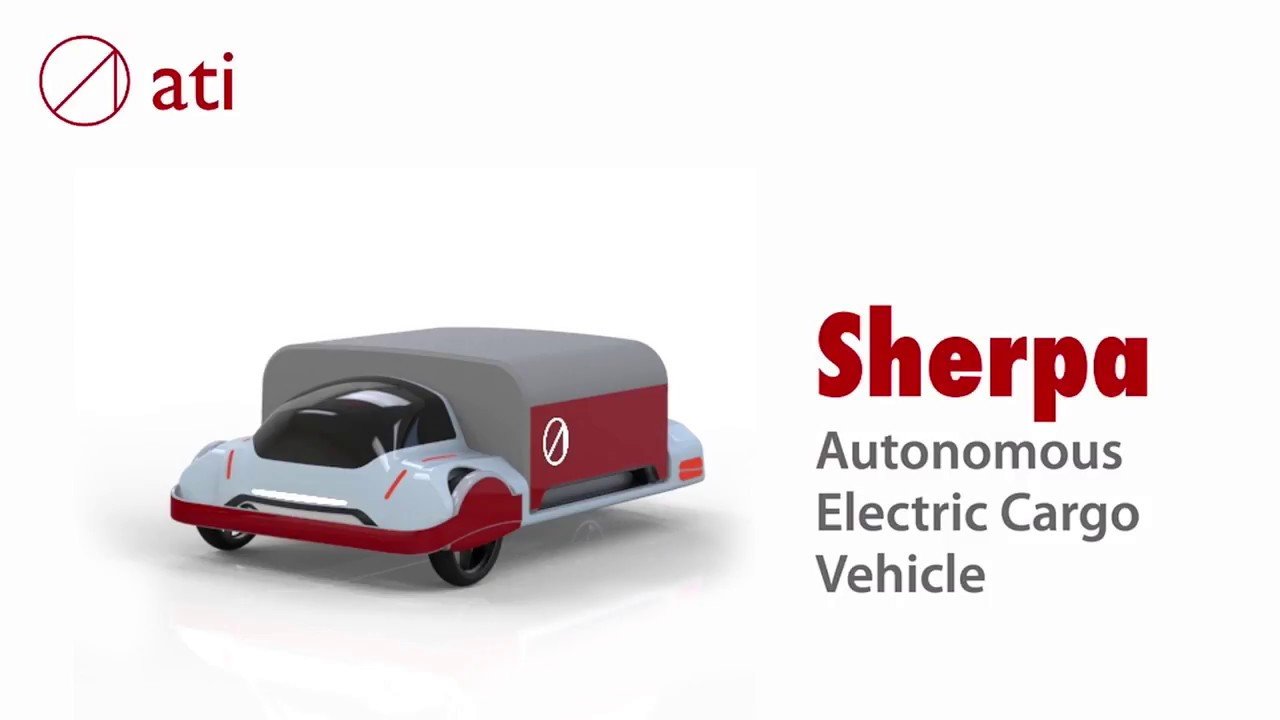
Nasser says that the company wanted to do something that was an exciting engineering inquiry and commercially. Chandra explained that the idea behind Sherpa is to follow the authorities’ regulations. Five years from now when the law has been improved, and automated vehicles can join the traffic, they will increase the production of these bots.
At the moment, the Sherpa has two versions, one that can support a weight of 150kg and one is capable of carrying 500kg. Similar to the sibling robots, Mitra and Mitri, it’s fully conceived and built right in India.
Featured Stories
ICT News - Sep 19, 2026
Washington Acknowledges Operational Weapons in Earth Orbit

ICT News - Aug 04, 2026
Telegram Vanishes from Apple App Store Worldwide
ICT News - Jul 31, 2026
Russian Buyer Finds Water Bottle in $1,125 Graphics Card Box
ICT News - Jul 29, 2026
The RAM Crisis: Graphics cards shoot up in prices again

ICT News - Jun 27, 2026
OpenAI Launches Limited GPT-5.6 Preview Amid U.S. Security Review

ICT News - Jun 16, 2026
Elon Musk Becomes World's First Trillionaire After SpaceX's Record IPO

ICT News - Jun 14, 2026
The Technological Revolution at the 2026 FIFA World Cup
ICT News - Jun 03, 2026
Apple's Liquid Metal Hinge Poised to Deliver Breakthrough for Foldable iPhone...

ICT News - May 29, 2026
New Glenn Rocket Explodes in Massive Fireball During Static Fire Test at Cape...

Mobile - May 24, 2026
iOS 27 Preview: Apple Delivers Its Most Intelligent Siri Yet Alongside Fresh AI...
Read more

Mobile- Oct 12, 2026
Apple iPhone 20th anniversary edition: Everything we know so far
Nothing is official yet. Expect clearer details closer to the 2027 launch window.
Comments
Sort by Newest | Popular