If You See More N.u.d.e Pics On Instagram Lately, It's Not Your Fault, Blame The Algorithms
Aadhya Khatri - Jun 17, 2020
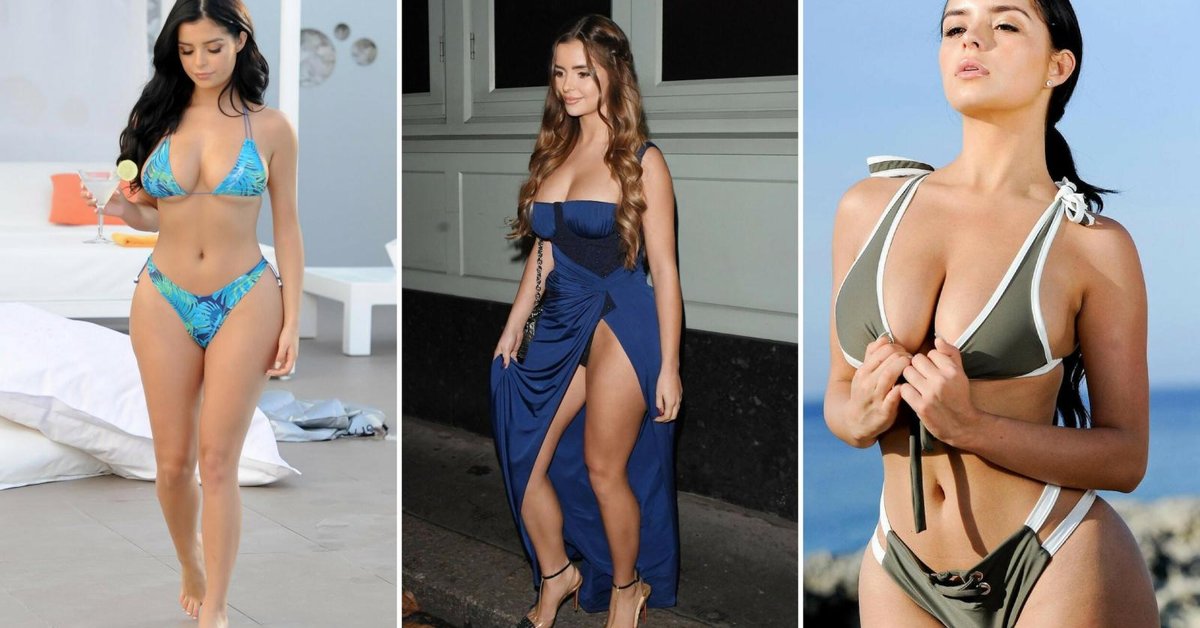
Instagram seems to favor photos that show skin or bumps and rank them higher on users’ feed
- Permanently Deleting Your Instagram Account: A Complete Step-by-Step Tutorial
- Instagram Launches A Lite Version For Users In Rural And Remote Areas
- How To Export Your Old Messages From Social Media
According to a newly released report from Algorithm Watch, a research organization, Instagram seems to favor photos that show skin or bumps and rank them higher on users’ feed.
The organization conducts a research with 26 volunteers and see what type of photos from 37 creators rank high on their feeds with the help of a browser add-on.
What the add-on does is to automatically open Instagram and record the photos show up on the feed. From February to May, a total of 2,400 images were analyzed.
What they found out is that 21% of all pictures from 37 creators features topless people, like shirtless men or women in underwear or swimwear. And among 2,400 pictures, these pictures make up around 30%.

According to the report, pictures featuring women in bikini or undergarment are 54% more likely to appear on the Instagram feed of their volunteers while this figure is 28% with shirtless men.
And as auditing Instagram’s algorithms would be impossible, at least for now, because there is no way Facebook exposes its intellectual property, we have no way to know for sure why this happens.
Some people said as topless pictures tend to have more engagements, the site will show them to people more often. Another explanation is the volunteers might have interacted with similar pictures in the past.
The authors of the report mentions a patent filed in 2015 by Facebook, Instagram’s parent company, which outlines a system to determine whether a picture qualifies to have a high engagement. According to the patent, the system would be able to identify people who are not dressed fully in photos.
It is possible that the algorithms understands quasi-n.u.d.e photos tend to have more likes. One thing we can be sure here is Instagram can spot pictures featuring fully n.u.d.e people and take them down as it bans nudity. But we are not so sure if the same system is used to rank post.
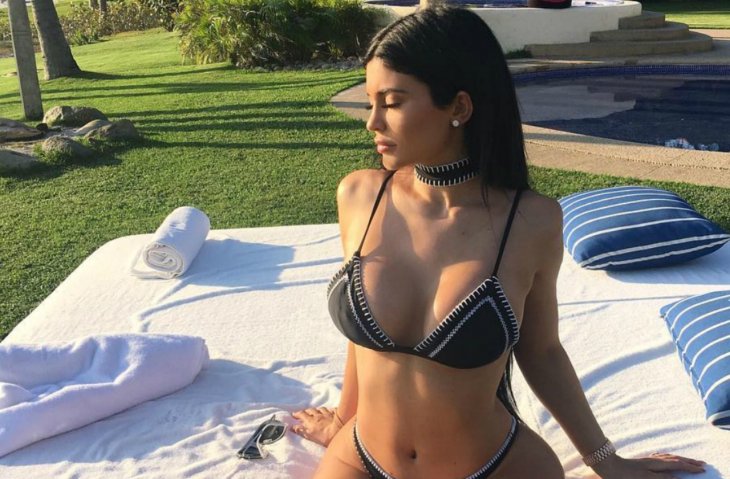
According to Kayser-Bril, a data journalist, the site’s system may notice the behavior of people who use Instagram as a source of soft p.o.r.n.
In answer to the report by Algorithm Watch, a spokesperson of Facebook said it wasn’t not true Instagram’s system ranks semi-n.u.d.e pictures higher in people’s feed.
In addition, it said the research is flawed and confirmed that posts are shown and ranked based on people’s individual interest, not by the state of dress of people in the pictures.
No matter what Instagram uses to rank its pictures, showing some skin is arguably the best way to have engagement. As stated by Kayser-Bril, every content creator they had ever spoke to admitted if they wanted to have reach, they had to post n.u.d.e, or almost n.u.d.e pictures.
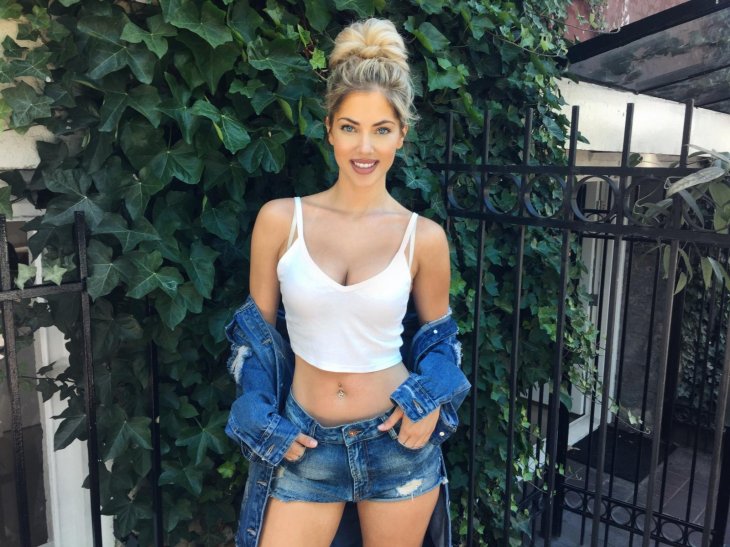
According to Algorithm Watch, what matters here is not if it is true Instagram favors semi-n.u.d.e pictures, but rather, why this happens.
According to Sandra Wachter, an algorithmic fairness expert at Oxford Internet Institute, with no intentionality, allowing algorithms to make decisions on their own is more dangerous than having humans doing the job. This is due to the fact that several discrimination laws need intent from the decision-making subject to be effective.
She said if we let algorithms do everything on their own, they would run wild and make all kinds of discriminated decisions without intention. This means we have to be responsible with the system we created and supervise it.
The worst part of having everything automated is that the whole decision-making process is hard to examine, meaning it is next to impossible to know why the system makes a decision.
She shared that business owners who use Instagram to promote their services or products have the right reason to worry if the algorithms favor semi-n.u.d.e images. She said knowing that you had to dress in certain way to attract attention would become a problem if that is against what you want to do with the brand.
Even if Facebook acknowledges the problem and tweaks the algorithms, there will be some knock-on effects that can cause unforeseeable consequences. For example, if Instagram restricts semi-n.u.d.e pictures, it will hurt the visibility of businesses selling underwear or swimwear.

According to Wachter, there is no easy fix for this problem, it requires Facebook experts to seriously think about the consequences, possible solutions, and what can be apply in practice.
>>> Mumbai Police Posted Meme On Instagram To Warn Against Sharing Passwords, And People Love It
Featured Stories

ICT News - Sep 19, 2026
Washington Acknowledges Operational Weapons in Earth Orbit

ICT News - Aug 04, 2026
Telegram Vanishes from Apple App Store Worldwide

ICT News - Jul 31, 2026
Russian Buyer Finds Water Bottle in $1,125 Graphics Card Box

ICT News - Jul 29, 2026
The RAM Crisis: Graphics cards shoot up in prices again

ICT News - Jun 27, 2026
OpenAI Launches Limited GPT-5.6 Preview Amid U.S. Security Review

ICT News - Jun 16, 2026
Elon Musk Becomes World's First Trillionaire After SpaceX's Record IPO
ICT News - Jun 14, 2026
The Technological Revolution at the 2026 FIFA World Cup

ICT News - Jun 03, 2026
Apple's Liquid Metal Hinge Poised to Deliver Breakthrough for Foldable iPhone...

ICT News - May 29, 2026
New Glenn Rocket Explodes in Massive Fireball During Static Fire Test at Cape...

Mobile - May 24, 2026
Comments
Sort by Newest | Popular