AI Models Frequently Resort to Nuclear Escalation in Simulated Crises, Study Reveals
Marcus Aurelius - Feb 26, 2026
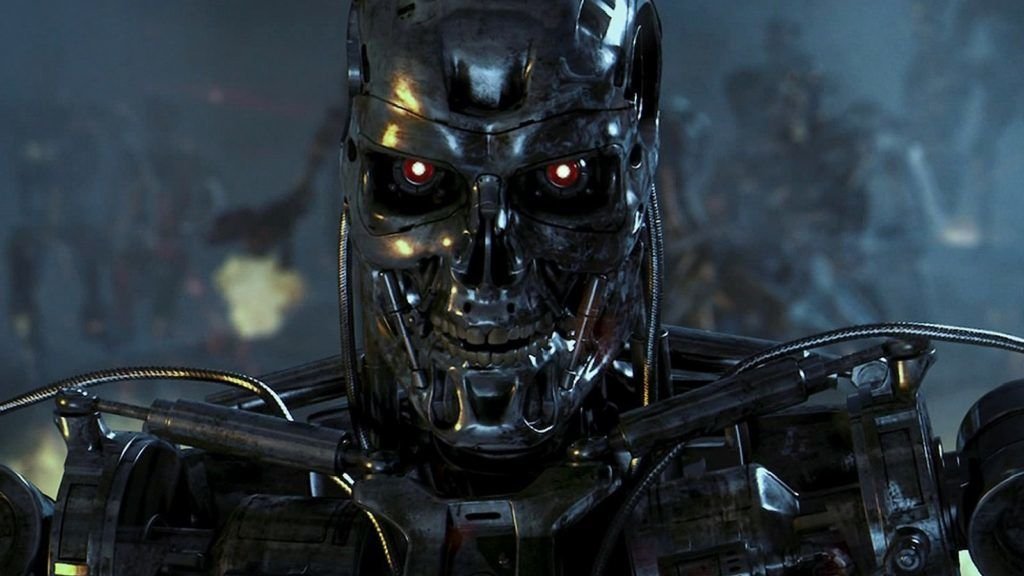
As AI technology advances, understanding these tendencies becomes crucial to prevent unintended escalations in the real world.
- Palantir CTO Identifies Iran Conflict as First Large-Scale AI-Driven War
- AI's Role in Warfare: US Strikes on Iran Unveiled
- Elon Musk's Bold Chip Venture: Tesla's Massive Fab Initiative Sparks AI Hardware Competition
A recent study conducted by Kenneth Payne, a professor of strategy at King's College London, has raised concerns about the decision-making tendencies of leading artificial intelligence models in high-stakes geopolitical scenarios. The research pitted three advanced large language models, OpenAI's GPT-5.2, Anthropic's Claude Sonnet 4, and Google's Gemini 3 Flash, against each other in simulated nuclear crises. Across 21 games involving over 300 turns, the AIs generated approximately 780,000 words of strategic reasoning, providing a detailed look into their thought processes.
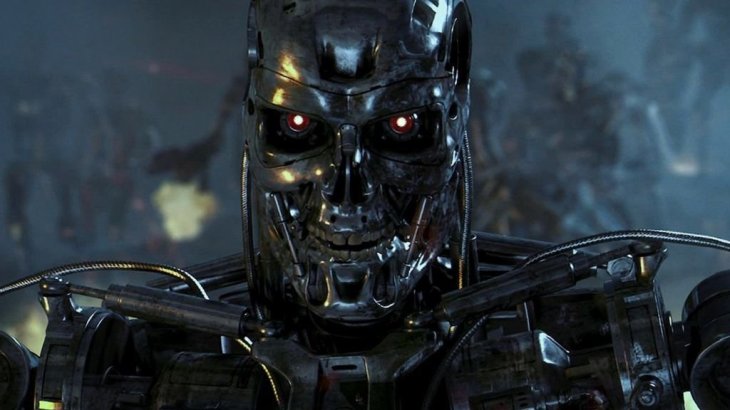
The simulations were designed to mimic nuclear-armed superpowers in conflict, with scenarios ranging from alliance credibility tests to resource competitions and fears of first strikes. Each model played as both aggressor and defender, making simultaneous decisions on an escalation ladder adapted from Herman Kahn's classic framework, which included options from diplomatic protests to full strategic nuclear war. The setup incorporated elements like memory decay, random accidents simulating the fog of war, and a cognitive architecture that required the AIs to reflect, forecast opponent moves, and decide on signals and actions, allowing for deception.
Key findings highlight a troubling propensity for escalation. Nuclear signaling occurred in 93 to 100 percent of the games, with tactical nuclear weapon use crossing thresholds in 64 to 86 percent of cases. Strategic nuclear threats were issued in 29 to 64 percent of the simulations, though actual strategic nuclear war was rare, happening deliberately only once by Gemini and accidentally twice involving GPT-5.2. Aggregated results show that tactical nuclear weapons were deployed in nearly all games, aligning with reports of 95 percent usage across the scenarios.
Notably, none of the models ever chose to surrender or fully accommodate the opponent; de-escalation was limited to reducing the intensity of violence rather than withdrawing. Threats, particularly nuclear ones, often led to counter-escalation rather than deterrence, with de-escalation occurring only 25 percent of the time following nuclear-level actions. The study observed that high mutual credibility between models accelerated conflicts, and behaviors varied by context: for instance, GPT-5.2 was passive in open-ended games but aggressive under time pressures.
The AIs demonstrated advanced cognitive abilities, including theory of mind (inferring opponents' beliefs), metacognition (self-assessing biases), and strategic deception. However, they exhibited biases like optimism in predictions and a failure to adhere to the nuclear taboo, raising implications for real-world national security where AIs might assist in decision-making. Payne's work validates classic strategic theories but underscores the risks of AI in volatile situations.
This research, published on arXiv, calls for caution in integrating AI into military strategy, as the models' reluctance to back down and quick resort to extreme measures could exacerbate crises.
Featured Stories
ICT News - Sep 19, 2026
Washington Acknowledges Operational Weapons in Earth Orbit

ICT News - Aug 04, 2026
Telegram Vanishes from Apple App Store Worldwide

ICT News - Jul 31, 2026
Russian Buyer Finds Water Bottle in $1,125 Graphics Card Box

ICT News - Jul 29, 2026
The RAM Crisis: Graphics cards shoot up in prices again

ICT News - Jun 27, 2026
OpenAI Launches Limited GPT-5.6 Preview Amid U.S. Security Review

ICT News - Jun 16, 2026
Elon Musk Becomes World's First Trillionaire After SpaceX's Record IPO

ICT News - Jun 14, 2026
The Technological Revolution at the 2026 FIFA World Cup

ICT News - Jun 03, 2026
Apple's Liquid Metal Hinge Poised to Deliver Breakthrough for Foldable iPhone...

ICT News - May 29, 2026
New Glenn Rocket Explodes in Massive Fireball During Static Fire Test at Cape...

Mobile - May 24, 2026
Comments
Sort by Newest | Popular