A Device Invented To Capture Clean Drinking Water
Anita - Dec 06, 2018

KAUST researchers have created an inexpensive hydrogel-based material that efficiently captures water even in the aridest areas.
- This Lickable Gadget Will Allow You To Taste Any Flavor Without Food
- This Soap Pump Speaker Plays Music While You Are Washing Your Hands
- Man Tried To Make Anti-Face-Touching Device To Avoid CO.VID-19, Got Magnets Stuck In His Nose, Doctors Laughed
It may be possible to capture drinking water from the air using simple equipment even in the aridest desert regions. According to researchers, with this new invention, water can be captured from thin air and released when warmed by daylight.
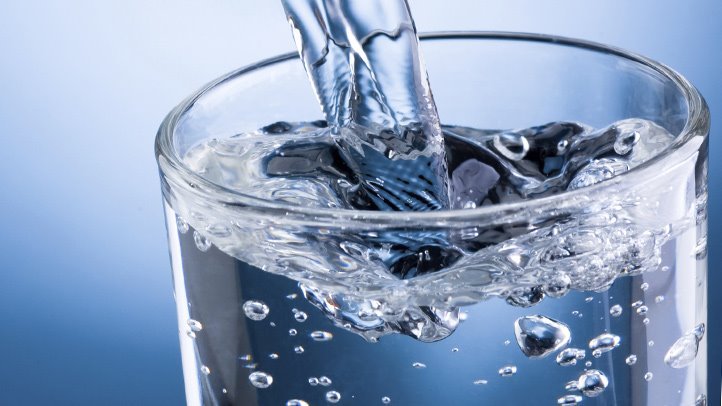
There are nearly 13 trillion tonnes of water, a vast supply of clean drinking water that can be produced, in the Earth’s air across the whole world. Many types of equipment have been developed and tested to make use of this water resource. However, they are not effective, cost-incentive and impractical. To tackle this issue, scientists at King Abdullah University of Science and Technology (KAUST) in Saudi Arabia invented a prototype utilizing stable, nontoxic and inexpensive salt, known as calcium chloride.
By capturing the air's moisture, this salt can dissolve itself. Calcium chloride has a great potential in capturing water. However, after it absorbs water, the substance changes its state of matter from solid to salty liquid. This is still a problem that scientists have to deal with if they want to have a water capturing device, said Renyuan Li, a Ph.D. student at KAUST.
Therefore, researchers found a solution to this problem, that is to combine the salt with a hydrogel which can hold a significant volume of water while still retaining its form as a solid. To ensure the release of water vapor, researchers also added in some tiny bit of carbon nanotubes (0.42% by weight). This substance can take the light of the sun in and turn the solar power into heat.
To test this prototype device, the team added 35 grams of this substance in it then left it outside for one night. As a result, they collected 37 grams of water with the humidity level reaching about 60%. On the next day, 2.5 hours of sunlight exposure was enough to produce most of the water, which was collected in the device.
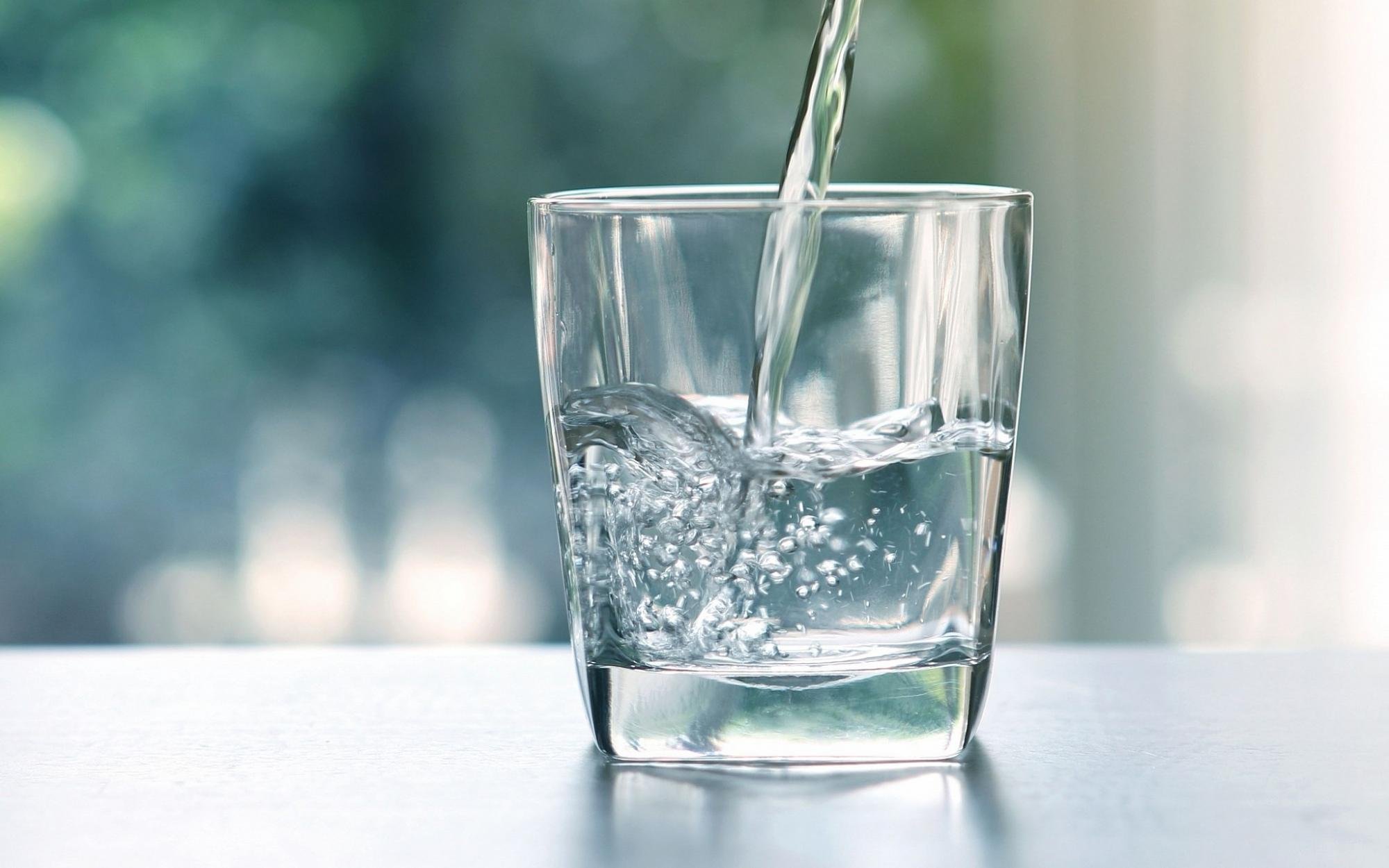
The most significant benefits of the hydrogel are its high effectiveness and cost savings, according to Li. Scientists said the cost for hydrogel can be about half a cent a day when increasing the productivity of this machine to 3 liters of water a day, which is the minimum volume of water that an adult needs.
According to researchers, they will adjust the hydrogel to let it produce clean drinking water continuously instead of in batches.
Featured Stories

ICT News - Aug 04, 2026
Telegram Vanishes from Apple App Store Worldwide
ICT News - Jul 31, 2026
Russian Buyer Finds Water Bottle in $1,125 Graphics Card Box

ICT News - Jul 29, 2026
The RAM Crisis: Graphics cards shoot up in prices again

ICT News - Jun 27, 2026
OpenAI Launches Limited GPT-5.6 Preview Amid U.S. Security Review

ICT News - Jun 16, 2026
Elon Musk Becomes World's First Trillionaire After SpaceX's Record IPO

ICT News - Jun 14, 2026
The Technological Revolution at the 2026 FIFA World Cup
ICT News - Jun 03, 2026
Apple's Liquid Metal Hinge Poised to Deliver Breakthrough for Foldable iPhone...

ICT News - May 29, 2026
New Glenn Rocket Explodes in Massive Fireball During Static Fire Test at Cape...

Mobile - May 24, 2026
iOS 27 Preview: Apple Delivers Its Most Intelligent Siri Yet Alongside Fresh AI...

ICT News - May 08, 2026
Comments
Sort by Newest | Popular