Google Is Finally Making Its Own Smartphone Chips, Coming In 2021
Dhir Acharya - Apr 16, 2020
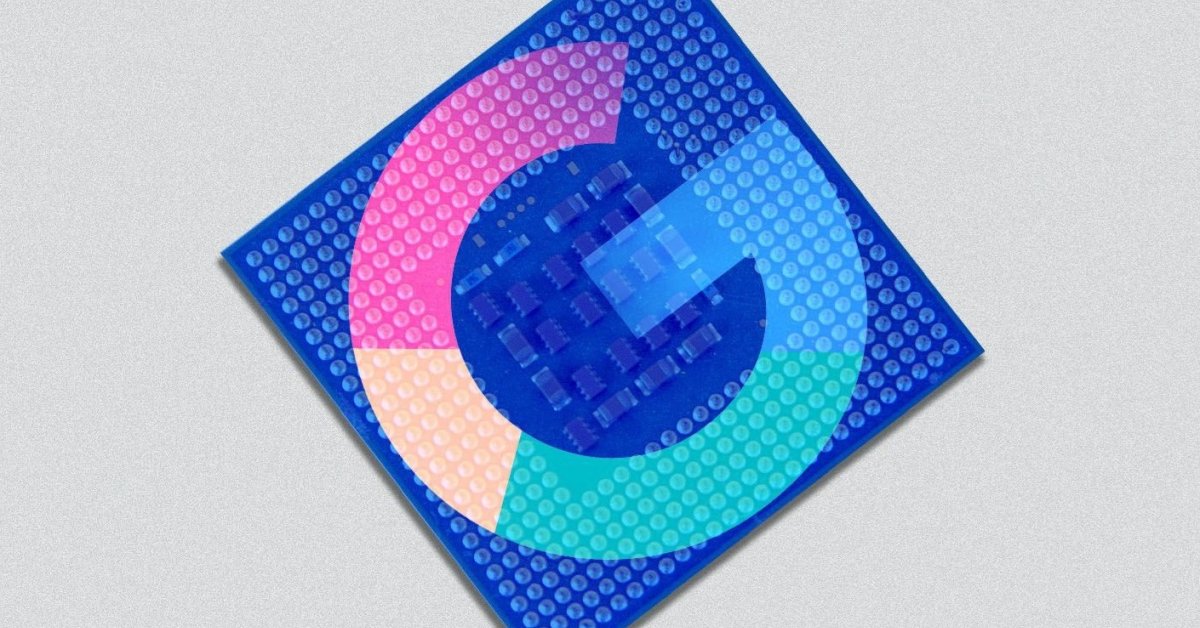
After buying HTC's intellectual property and resources, Google has moved on to the next big step: Designing its own chips.
- 13 Underrated Google Wallet Features Youre Probably Ignoring (And Theyre Not Credit Cards)
- Google Pixel Battery Scandal Illustrates Why Capacity Rules the Smartphone Market
- Google's Project Toscana: Elevating Pixel Face Unlock to Rival Apple's Face ID
In 2017, Google bought HTC’s intellectual property and resource for $1.1 billion. And not, it looks like the tech giant is taking the next big step, making its own computer chip.
The information was first reported by Axios, which says that the tech giant recently got the first functional prototypes of its custom-designed chip called Whitechapel. Accordingly, the chip was created under a partnership between Google and Samsung, using Samsung’s 5nm fabrication process.
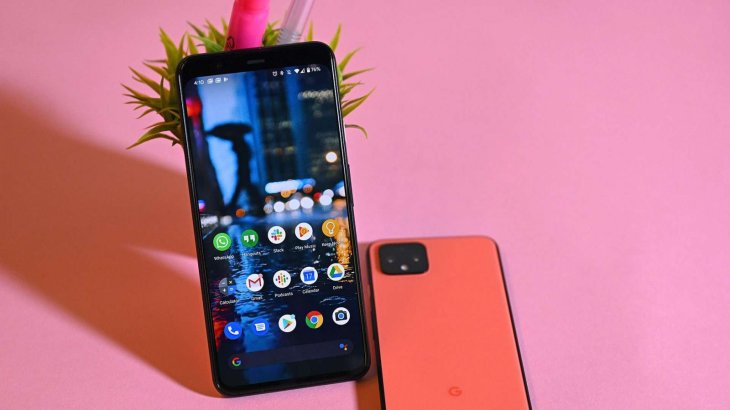
The chip appears to be an 8nm ARM-based platform that will power smartphones, and eventually mobile devices such as the Chromebook. Apart from computing and processing tasks, as usual, Whitechapel will provide better support for AI as well as machine-learning functions such as Google Assistant and other always-on Google services such as the song identification feature on Pixel phones. According to the Axios report, the chip won’t come to retail devices until at least next year.
Google declined to comment on the matter.
Even when the tech giant doesn’t say anything officially, it makes sense that the tech giant wants to make custom processors for its devices. Major phone makers in the world are already making their own chips, like the A-series of Apple, the Exynos chips of Samsung, and the Kirin processors of Huawei.
With custom chips, phone makers have better control over the computing power and features of their mobile devices. Since Google has been relying on machine learning and AI to power its devices, this plan makes even more sense.
The tech giant has tried making smaller, single-purpose chips, such as the Titan M or the Pixel Visual Core, used in the Pixel 4 to improve photo processing.
This is important because making a chip of its own will help Google catch up to its rival the iPhone maker that has enjoyed the advantage over the past few years over Android rivals relying on Mediatek and Qualcomm. Anyway, we will have to wait until 2021 to see how things turn out.
>>> With Google's New App, Even Blind People Can Text On Smartphones
Featured Stories

ICT News - Sep 19, 2026
Washington Acknowledges Operational Weapons in Earth Orbit

ICT News - Aug 04, 2026
Telegram Vanishes from Apple App Store Worldwide

ICT News - Jul 31, 2026
Russian Buyer Finds Water Bottle in $1,125 Graphics Card Box

ICT News - Jul 29, 2026
The RAM Crisis: Graphics cards shoot up in prices again

ICT News - Jun 27, 2026
OpenAI Launches Limited GPT-5.6 Preview Amid U.S. Security Review

ICT News - Jun 16, 2026
Elon Musk Becomes World's First Trillionaire After SpaceX's Record IPO

ICT News - Jun 14, 2026
The Technological Revolution at the 2026 FIFA World Cup
ICT News - Jun 03, 2026
Apple's Liquid Metal Hinge Poised to Deliver Breakthrough for Foldable iPhone...

ICT News - May 29, 2026
New Glenn Rocket Explodes in Massive Fireball During Static Fire Test at Cape...

Mobile - May 24, 2026
Comments
Sort by Newest | Popular