Facebook’s Next Plan Is To Put Your Entire Body Into Virtual Reality
Harin - May 06, 2019
After working on redesigning its app and web platform, Facebook plans to put your entire body in a virtual reality social network.
- Billion Dollar Blunder: Meta Shuts Down Metaverse After Wasting $80,000,000,000.00
- Instagram Launches A Lite Version For Users In Rural And Remote Areas
- Australia Passed New Law That Requires Facebook And Google To Pay For News Content
Facebook has been redesigning its web and app platform, to make it more privacy-oriented. But that seems not to be the only announcement from the company. The company also wants to bring people into a virtual reality social network.
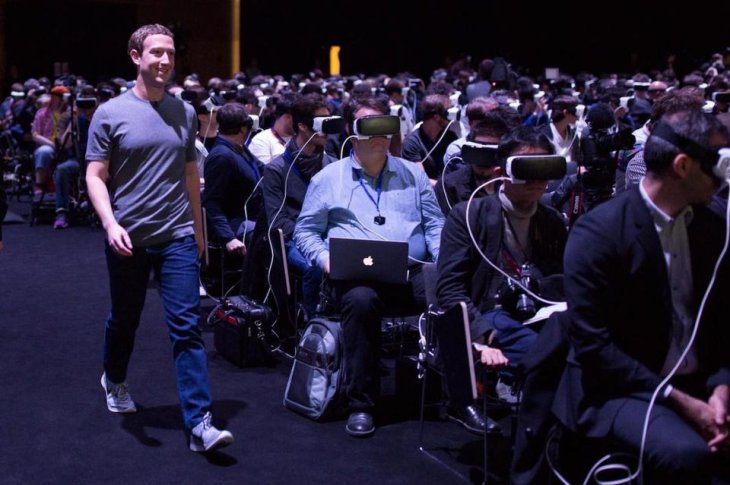
At the recent Facebook F8 conference, the company outlined its plans about virtual reality. In case you have no idea what this is about, Facebook owns a VR platform called Oculus. The company has been thinking about how to integrate it into its social network and in the most direct way.
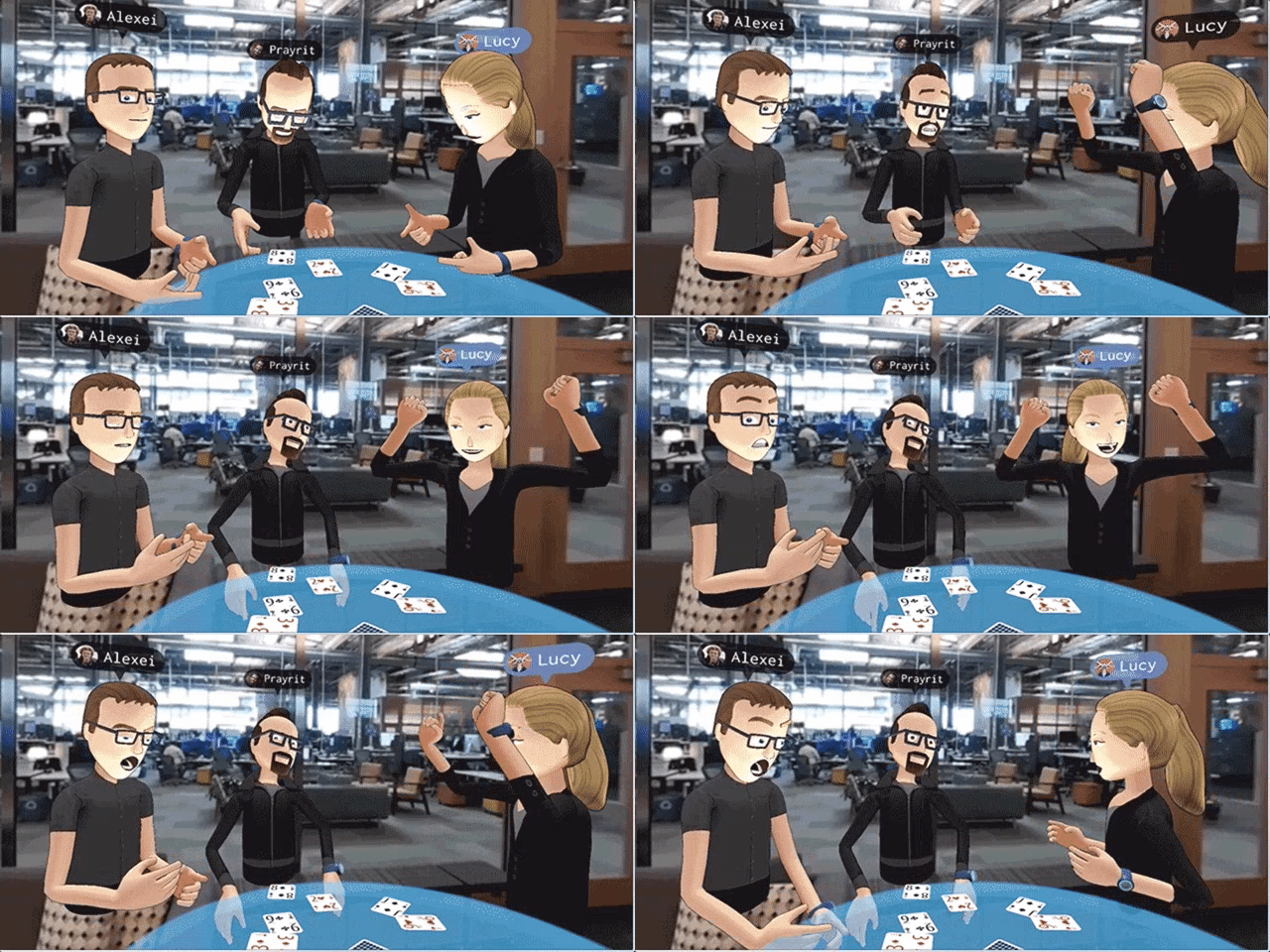
Facebook is developing a full-body VR system which puts your entire body into a VR simulation. In this simulation, you can meet other people who are also in their digital fresh and hang out with them.
The idea behind this is to bring in new technology to bring back all the users the company has lost over the last few years.
The VR avatars simulate the human body, with layers of bone, muscle, and skin. They will look just like the users. And by utilizing a physics-based software, the avatars will also imitate their real-life movements. Moreover, users clothing, as well as facial expressions, will also be replicated.
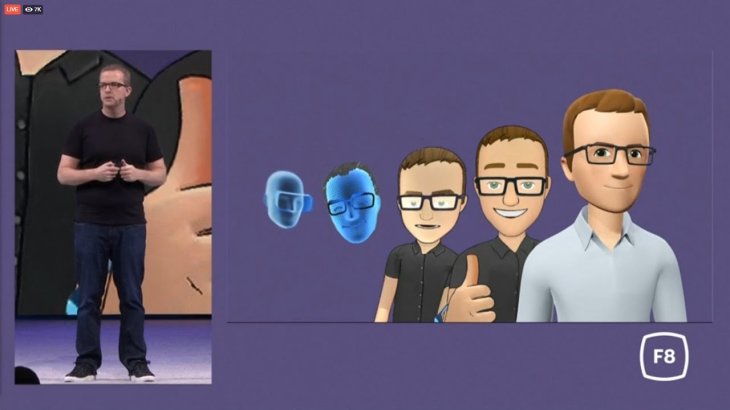
Although, since the project started, the avatars have been improved, they are still very limited. At the moment, there will only be your head and hands because they are the most easily tracked features with the Oculus Quest VR headset and controllers.
The demo video which Facebook showed on May 1st indicates a much more advanced future. The video displayed 3D-modelled bodies that can offer different motions and interactions with the surrounding environment. Unfortunately, it will take the company quite a lot of time to reach that level.
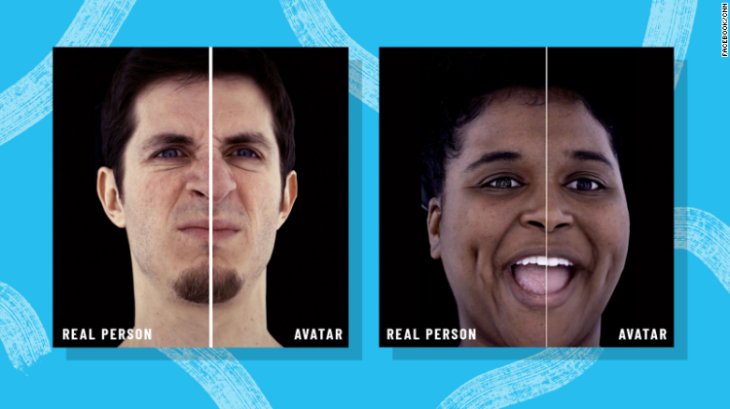
Another thing Facebook showed off in its demonstration video is that the company will work on how to protect people’s avatars, especially when they look exactly the same as real people. He suggested using fingerprint or facial recognition for avatar locking. Of course, the idea of putting your trust on Facebook for protecting your biometric data might not be the best one, regarding their past with privacy-related issues.
Featured Stories

ICT News - Sep 19, 2026
Washington Acknowledges Operational Weapons in Earth Orbit

ICT News - Aug 04, 2026
Telegram Vanishes from Apple App Store Worldwide

ICT News - Jul 31, 2026
Russian Buyer Finds Water Bottle in $1,125 Graphics Card Box

ICT News - Jul 29, 2026
The RAM Crisis: Graphics cards shoot up in prices again

ICT News - Jun 27, 2026
OpenAI Launches Limited GPT-5.6 Preview Amid U.S. Security Review

ICT News - Jun 16, 2026
Elon Musk Becomes World's First Trillionaire After SpaceX's Record IPO

ICT News - Jun 14, 2026
The Technological Revolution at the 2026 FIFA World Cup
ICT News - Jun 03, 2026
Apple's Liquid Metal Hinge Poised to Deliver Breakthrough for Foldable iPhone...

ICT News - May 29, 2026
New Glenn Rocket Explodes in Massive Fireball During Static Fire Test at Cape...

Mobile - May 24, 2026
Comments
Sort by Newest | Popular