Apple Resumes iPhone 7 and iPhone 8 Sale In Germany After Ban
Dhir Acharya - Feb 15, 2019
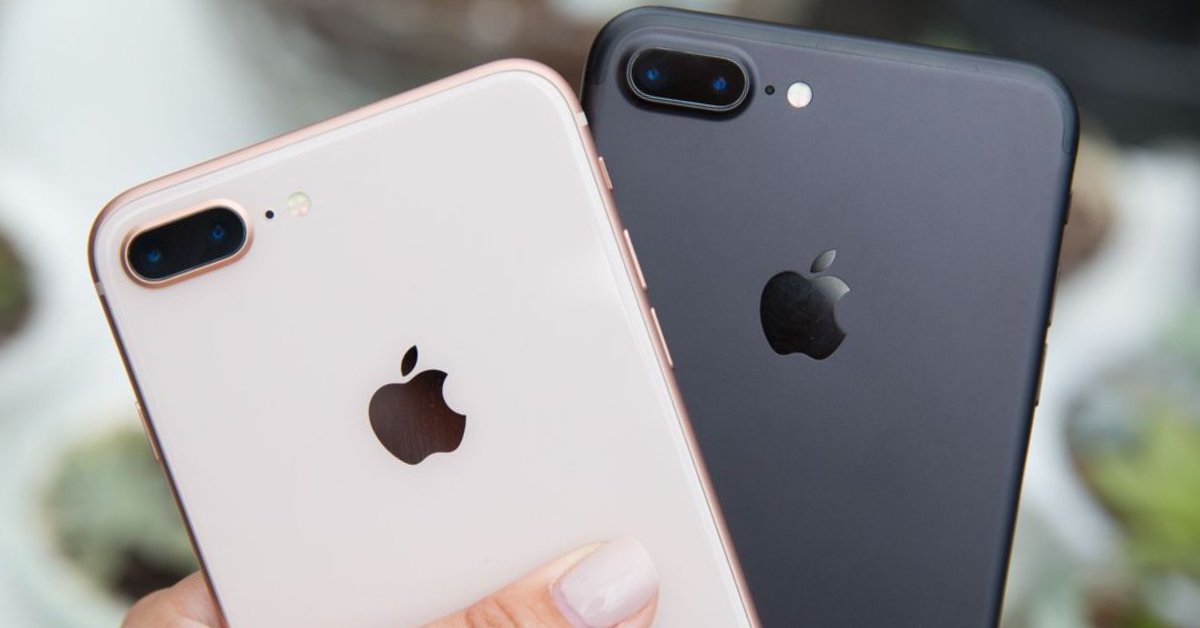
The phones will be available again at Apple's Germany stores, however, with Qualcomm chips instead of Intel chips.
- Apple's Liquid Metal Hinge Poised to Deliver Breakthrough for Foldable iPhone After 16 Years of Quiet Research
- iOS 26.5's Under-the-Radar Features: Secret iPhone Tools You Need to Try
- iPhone 18 Rumors Suggest a Significant RAM Upgrade to 12GB
Apple will resume its sale of iPhone 7 and 8 in the German market, but this time its phones will pack Qualcomm chips.
On Thursday, an announcement came from Apple, saying that the company will sell the older iPhones at its stores in Germany again. Previously, Apple’s sale of iPhone 7 and iPhone 8 was banned in Germany following Munich district court’s order in a lawsuit that the iPhone maker lost against Qualcomm in December. The news was reported by Reuters.
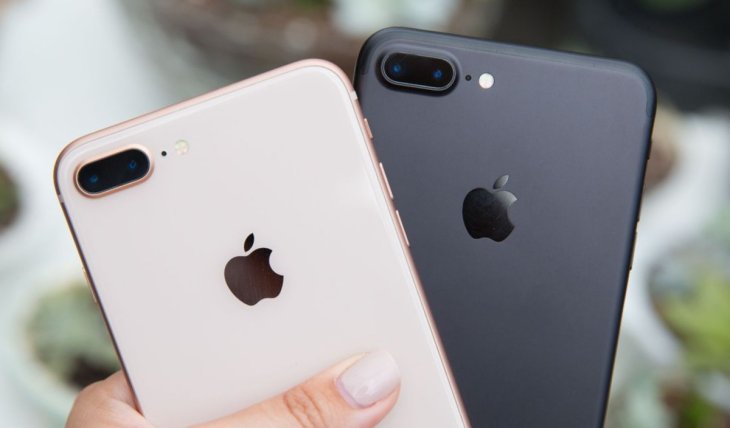
To comply with a court decision, the Cupertino-based company will no longer use Intel chips for its older devices.
An Apple spokeswoman sent out an email, in which she wrote that the company had to switch to Qualcomm processors so that it can ship all iPhone models to consumers in Germany. The email reads:

This information pops up after the giant chip maker won a patent infringement lawsuit against the iPhone maker back in December 2018. According to a Munich court settlement, Apple had to stop selling its iPhone 7 and 8 models in the German market. The infringement lawsuit was related to Qualcomm’s technology that helps save power in smartphones.
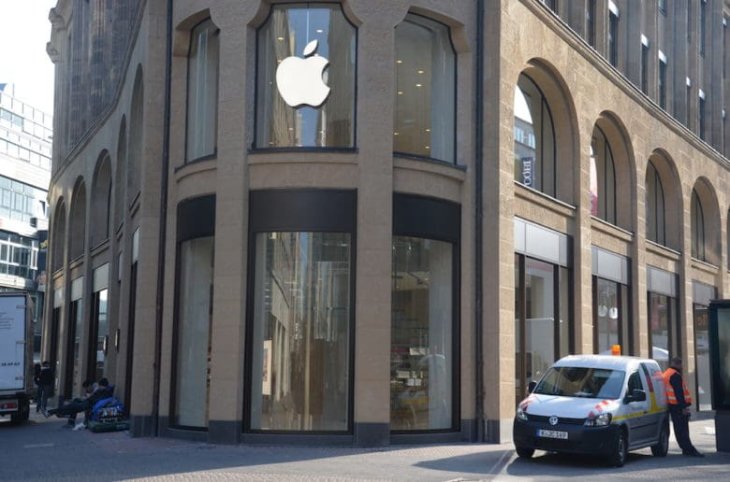
An Apple store in Germany
The battle over patents between Qualcomm and Apple has been going on since 2017, leading to the iPhone maker’s switching to using Intel chips for its devices. In another patent case, however, a German court dismissed the lawsuit that Qualcomm filed against Apple over a technology relating to smartphone voltage. In January, the US Patent and Trademark Office stated that it would review Qualcomm patents in its lawsuit against the iPhone maker.
It’s also worth noting that Apple’s recent models, the iPhone XS series and the iPhone XR are not affected by the German ban and will keep using Intel chips.
Featured Stories

ICT News - Sep 19, 2026
Washington Acknowledges Operational Weapons in Earth Orbit

ICT News - Aug 04, 2026
Telegram Vanishes from Apple App Store Worldwide

ICT News - Jul 31, 2026
Russian Buyer Finds Water Bottle in $1,125 Graphics Card Box
ICT News - Jul 29, 2026
The RAM Crisis: Graphics cards shoot up in prices again

ICT News - Jun 27, 2026
OpenAI Launches Limited GPT-5.6 Preview Amid U.S. Security Review

ICT News - Jun 16, 2026
Elon Musk Becomes World's First Trillionaire After SpaceX's Record IPO

ICT News - Jun 14, 2026
The Technological Revolution at the 2026 FIFA World Cup
ICT News - Jun 03, 2026
Apple's Liquid Metal Hinge Poised to Deliver Breakthrough for Foldable iPhone...

ICT News - May 29, 2026
New Glenn Rocket Explodes in Massive Fireball During Static Fire Test at Cape...
Mobile - May 24, 2026
Comments
Sort by Newest | Popular