Apple Removed 17 Clickware Apps Of Gujarat-Based Firm For Scamming Users
Harin - Oct 30, 2019

After receiving Wadera's notification, Apple immediately wiped out 17 malicious clickware apps from the Gujarat-based app development firm.
- Apple's Liquid Metal Hinge Poised to Deliver Breakthrough for Foldable iPhone After 16 Years of Quiet Research
- iOS 26.5's Under-the-Radar Features: Secret iPhone Tools You Need to Try
- iPhone 18 Rumors Suggest a Significant RAM Upgrade to 12GB
It is such a common thing to discover malicious apps on Google Play Store. But if you ever thought that the App Store of Apple is all safe and secure, you have thought wrong.
Wandera, a mobile security firm, found on Apple App Store 17 malicious apps. All of these are clickware apps which are known for scamming its users to generate advertising revenue.
After receiving the notification from Wadera, Apple immediately wiped out these apps.
What’s surprising is that all these apps are created by a small app development firm from Gujarat named AppAspect Pvt. Ltd. Once users open the app, it opens in the background web pages while clicking on the ads. A backdoor will make a connection to the control and command center, leading to the enable of the webpages' opening and the ads’ clicking. And the user won’t even know anything about it.
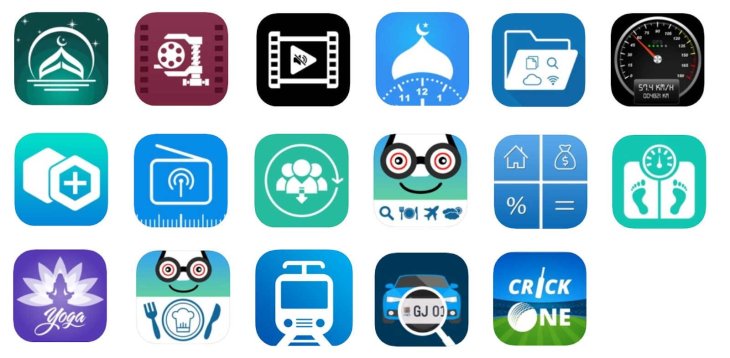
In a blog post, Wadera wrote that in these applications, it found a clicker trojan module that was designed for ad fraud-related tasks running in the background like opening web pages continuously or clicking links without the knowledge of the users.
The post further added that by inflating website traffic, most clicker trojans’ will create revenue for on a pay-per-click basis for the attacker. The trojans can also be used for draining a competitor’s budget by artificially increasing the balance that a competitor owes to the ad network.
These apps are also on the Google Play Store but without a similar behavior of those on the Apple App Store.
According to Wandera’s post, the Android apps of AppAspect had been infected before and were taken down from the Google Play Store. After that, they have been republished and do not seem to have with them the malicious functionality. It is unclear whether the developer added the bad code intentionally or unintentionally.
To avoid these malicious apps, you should always install apps that are from trusted sources and read the reviews carefully before installing an app.
Featured Stories

ICT News - Oct 22, 2026
Black October: Major Cyber Incidents Flood the Last 48 Hours

ICT News - Sep 19, 2026
Washington Acknowledges Operational Weapons in Earth Orbit

ICT News - Aug 04, 2026
Telegram Vanishes from Apple App Store Worldwide

ICT News - Jul 31, 2026
Russian Buyer Finds Water Bottle in $1,125 Graphics Card Box

ICT News - Jul 29, 2026
The RAM Crisis: Graphics cards shoot up in prices again

ICT News - Jun 27, 2026
OpenAI Launches Limited GPT-5.6 Preview Amid U.S. Security Review

ICT News - Jun 16, 2026
Elon Musk Becomes World's First Trillionaire After SpaceX's Record IPO

ICT News - Jun 14, 2026
The Technological Revolution at the 2026 FIFA World Cup

ICT News - Jun 03, 2026
Apple's Liquid Metal Hinge Poised to Deliver Breakthrough for Foldable iPhone...

ICT News - May 29, 2026
New Glenn Rocket Explodes in Massive Fireball During Static Fire Test at Cape...
Read more
ICT News- Oct 22, 2026
Black October: Major Cyber Incidents Flood the Last 48 Hours
The volume and severity of these events mark one of the most intense periods in recent cybersecurity history.

Review- Oct 21, 2026
Games at a cryptocurrency casino – an overview of popular formats
Before choosing a game, it is useful to understand the basic information displayed alongside it, particularly RTP and volatility.
Comments
Sort by Newest | Popular