An Android Malware Can Steal Money From PayPal Account
Aadhya Khatri - Dec 14, 2018
ESET discovered a malware that can transfer money from users' PayPal accounts even if they have the 2 factor authentication on.
- How 30 Lines Of Code Destroy A 27-Ton Generator
- If You Want To Be Safe, Please Stay Away From These Fake Coronavirus Websites
- The Most 'Dangerous' Movie In The World - 'Joker'
ESET, a company that provides IT security solutions, has discovered a malware that can transfer money from Paypal without user’s permission even if their 2FA is on. This malicious software hides inside a battery optimization app.
The video below shows how this process works:
The good news here is this app is unavailable on the Play Store but is distributed through a third-party app store, which means not many people have fallen under the threat of the malware.
However, you should not put down your guards just yet. This app contains a system that can initiate money transfer without user’s notice, and when they do, it is often too late.
The malware is able to do this by asking for permission to access Android Accessibility. It is then able to automate OS interactions and screen taps.
Once it gains the access, the system does not transfer any money right away. Both the trojan and the app remain silent until the user logs into the PayPal app. It waits until the user does this on his own or sends a fake notification to trick users into opening the app.
Its next step is to wait for the user to type his 2FA code and then it starts taking action.
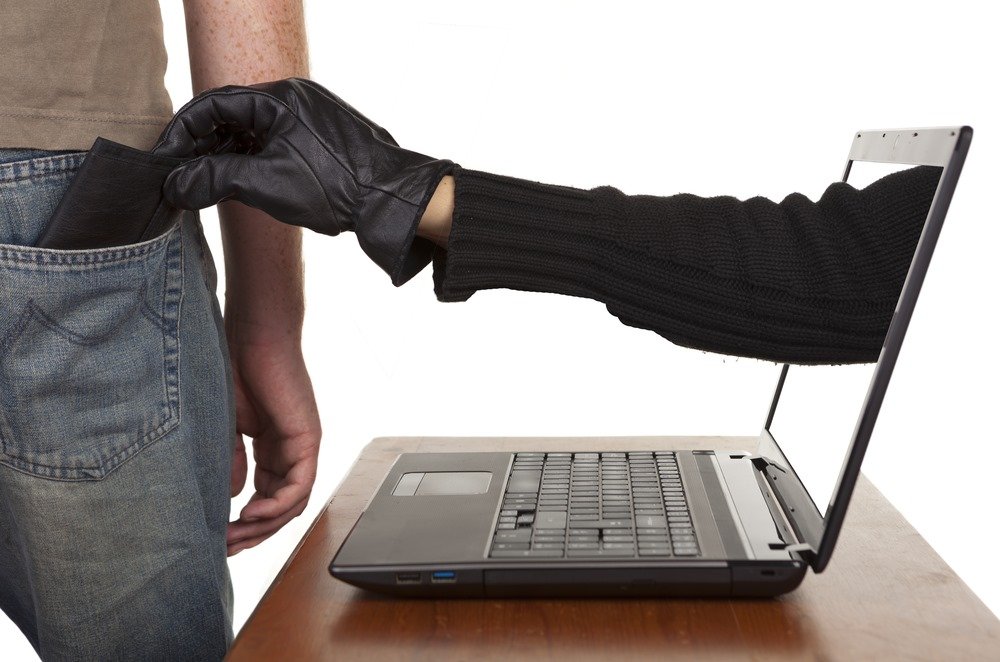
ESET found out about this malware through the device from one of its customers because the malicious software takes advantage of the Android Accessibility to imitate screen taps.
A new PayPal transfer is initiated; next, the PayPal account of the receiver and a sum of money are entered. Finally, the Trojan approves the transfer.
According to Lukas Stefanko, ESET malware analyst, this whole malicious process takes under 5 seconds. If the users do not suspect and take action in time, there is no way they can prevent being stolen from. The default number the Trojan takes is 1000 units in Paypal account currency. In the case of ESET, the sum is €1,000.
The malware is programmed to steal every time the user opens their PayPal app. However, if the user’s account does not have any money left or is empty, it cannot perform its wicked trick.
By abusing the Accessibility, the Trojan can also obtain user’s contact list, steal card details and Google account as well as mobile banking app’s credentials.
PayPal has been notified about this matter, and victims of this app can ask for transaction reversal.
Featured Stories

ICT News - Sep 19, 2026
Washington Acknowledges Operational Weapons in Earth Orbit

ICT News - Aug 04, 2026
Telegram Vanishes from Apple App Store Worldwide

ICT News - Jul 31, 2026
Russian Buyer Finds Water Bottle in $1,125 Graphics Card Box

ICT News - Jul 29, 2026
The RAM Crisis: Graphics cards shoot up in prices again

ICT News - Jun 27, 2026
OpenAI Launches Limited GPT-5.6 Preview Amid U.S. Security Review

ICT News - Jun 16, 2026
Elon Musk Becomes World's First Trillionaire After SpaceX's Record IPO

ICT News - Jun 14, 2026
The Technological Revolution at the 2026 FIFA World Cup

ICT News - Jun 03, 2026
Apple's Liquid Metal Hinge Poised to Deliver Breakthrough for Foldable iPhone...

ICT News - May 29, 2026
New Glenn Rocket Explodes in Massive Fireball During Static Fire Test at Cape...

Mobile - May 24, 2026
Comments
Sort by Newest | Popular