Qualcomm Wrapped Up Its Defense Against FTC's Accusations
Dhir Acharya - Jan 28, 2019
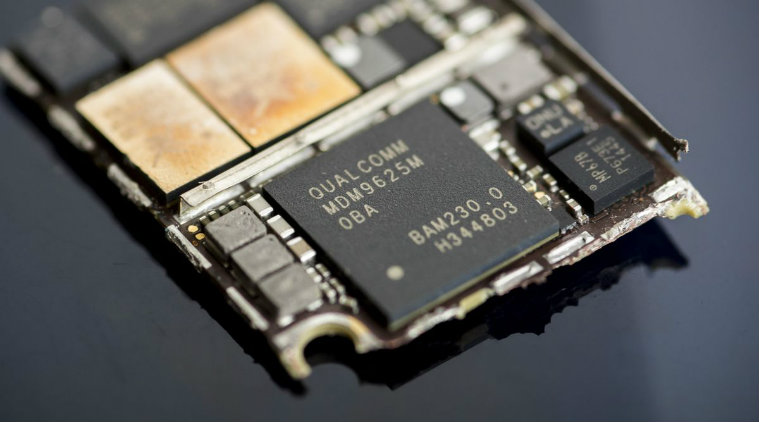
On Friday, Qualcomm wrapped up its defense in the licensing battle against the FTC, calling another two high profiles to testify.
- Qualcomm Announces Snapdragon 870; To Debut Soon In Xiaomi, OnePlus, Motorola Smartphones
- Qualcomm Announced Snapdragon 888, The Next Mobile Chip For High-End Smartphones
- At Least Five Smartphones Will Feature Snapdragon 875 & 100W+ Charging Support, New Leak Says
On Friday, Qualcomm completed its defense against the FTC’s accusation of its monopolistic practices in the mobile chip market.
The chipmaker called Aviv Nevo, economics and marketing professor at the University of Pennsylvania to defend against FTC experts’ claim. Qualcomm’s current head of licensing business, Alex Rogers, was also called to explain again how this business works.
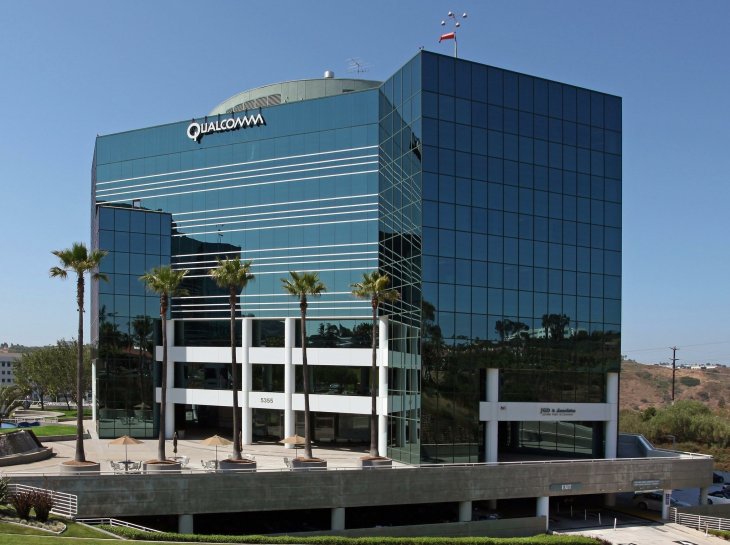
Qualcomm wraps up its defense
Nevo said that the accusation from FTC’s Shapiro of Qualcomm’s excessive royalty rates “is just not born out of actual market data.” He stressed that this theory has no data to base on. According to Nevo, the cell phone industry is strong, and the company’s licensing policies are reasonable.
As stated by Nevo, he tested Shapiro’s theory using the real world data. He compared Qualcomm’s licensing fees during the time of alleged market power and other periods. While FTC claimed the fees were higher during strong times, Nevo did not find that through his test and data.
Nevo added that regarding the top segment, the industry is thriving. While phones are cheaper, their quantities are growing dramatically.
In his testimony, Rogers said that Qualcomm doesn’t recall processors from its customer. Plus, for the past few years, the company has been charging lower royalty rates. In fact, Nevo said that Qualcomm charged all companies the same royalty rates. Licensing terms are determined before processor rates and last for a decade or more, but prices of processors and contracts are set annually. So, Nevo testified, the royalty rate has no influences on the choice of processor.
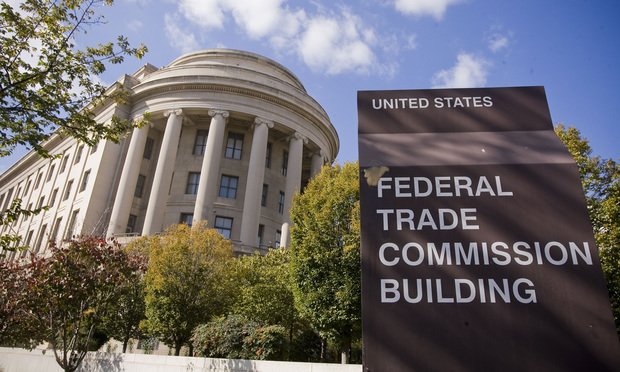
The battle between Qualcomm and the Federal Trade Commission has been going on in the courtroom, San Jose, California, since January 4. On January 15, the FTC completed its case against the chipmaker. Since then the chip maker has been defending against FTC’s accusations, which was wrapped up on Friday.
Recalling the lawsuit, the Federal Trade Commission accused Qualcomm of monopolistic practices in the wireless chip market, forcing its customers like Apple to exclusively use Qualcomm processors and charging unusually high royalty rates. In defense, Qualcomm said the FTC filed a lawsuit with no legal theory support. The chipmaker also claimed that companies chose to buy its products because they make the best chips. Plus, Qualcomm denied that it stopped selling chips to customers, it said it still provided chips to companies even when the battle was going on.
Featured Stories

ICT News - Sep 19, 2026
Washington Acknowledges Operational Weapons in Earth Orbit

ICT News - Aug 04, 2026
Telegram Vanishes from Apple App Store Worldwide

ICT News - Jul 31, 2026
Russian Buyer Finds Water Bottle in $1,125 Graphics Card Box

ICT News - Jul 29, 2026
The RAM Crisis: Graphics cards shoot up in prices again

ICT News - Jun 27, 2026
OpenAI Launches Limited GPT-5.6 Preview Amid U.S. Security Review

ICT News - Jun 16, 2026
Elon Musk Becomes World's First Trillionaire After SpaceX's Record IPO

ICT News - Jun 14, 2026
The Technological Revolution at the 2026 FIFA World Cup

ICT News - Jun 03, 2026
Apple's Liquid Metal Hinge Poised to Deliver Breakthrough for Foldable iPhone...

ICT News - May 29, 2026
New Glenn Rocket Explodes in Massive Fireball During Static Fire Test at Cape...

Mobile - May 24, 2026
Comments
Sort by Newest | Popular