Vivo V15 Pro vs Poco F1: Specifications & Price Compared
Karamchand Rameshwar - Feb 22, 2019
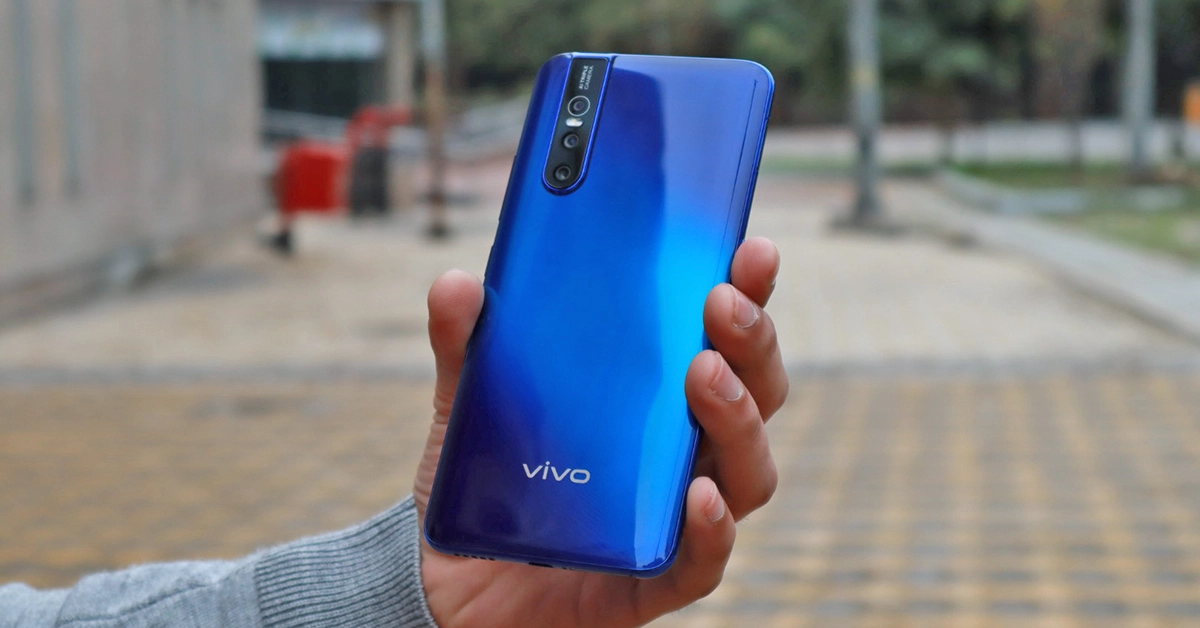
The Vivo V15 Pro is the latest addition to the mid-range segment in India, check out the comparison between the two prominent mid-range phones.
- Xiaomi 17T Pro Excels as Telephoto Champion with Monster Battery Life
- RGB Notification Lights Make a Triumphant Return on Xiaomi's Poco X8 Pro
- Xiaomi Unveils Cutting-Edge 17 Series Smartphones and Teases Vision GT Hypercar
Vi finally introduced its Vivo V15 Pro as a new addition to the mid-range phone in the Indian market. It is also the company’s first phone to pack the Snapdragon 675 SoC. For now, there are a lot of choices in the mid-range segment in India, but the V15 Pro still has a good chance of standing out with a key feature. The Chinese phone maker goes for the new pop-up front camera on the phone, which is pretty unique as there are only a very limited number of phones that come with this feature.
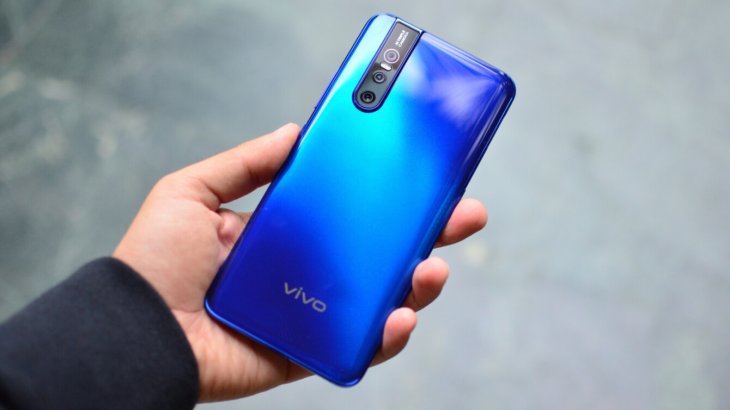
In this comparison, we will compare this new addition with another much-liked phone in the Indian market, the Poco F1. There are a ton of differences between these two so check out our comparison for more details.
Vivo V15 Pro vs. POCO F1: Price
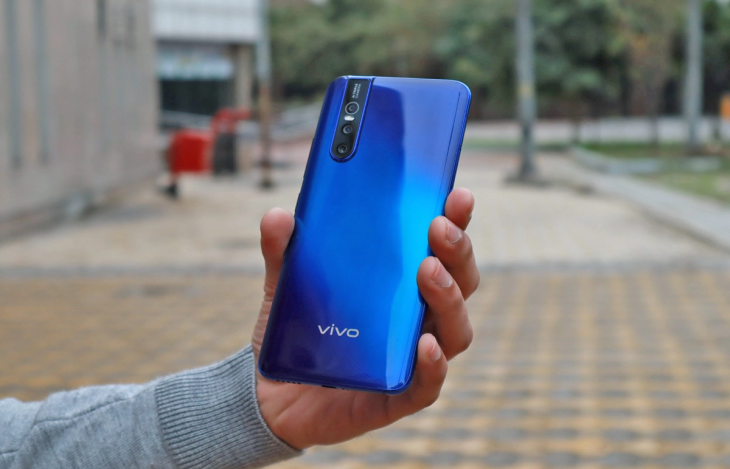
The Vivo V15 Pro is priced at Rs. 28,990 for a single variant with 6GB of RAM128GB of storage. It comes in two color options, including Ruby Red and Topaz Blue. Meanwhile, the Poco F1 is offered from Rs. 19,999 for the base option with 6GB RAM/64GB storage. There are also four more variants of the phone, including 6GB RAM/128GB storage, 6GB RAM/128GB storage Armoured Edition, 8GB RAM/256GB storage, and 8GB RAM/256GB storage Armoured Edition. They are priced at Rs. 22,999, Rs. 23,999, Rs. 27,999, and Rs. 28,999, respectively. Three are three color options for you to choose from: Rosso Red, Steel Blue, and Graphite Black.
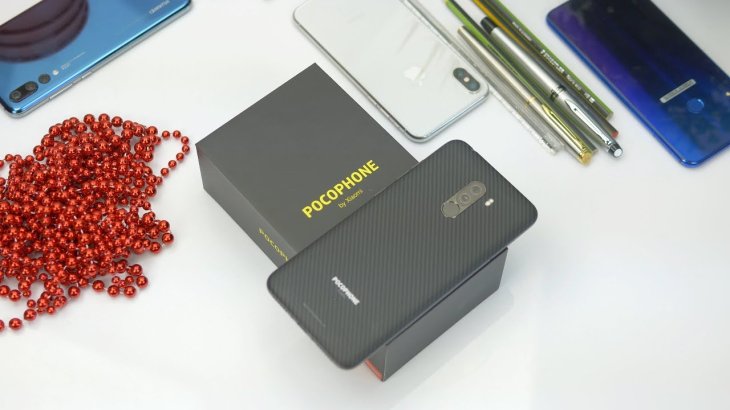 Poco F1 Armoured Edition
The Poco F1 is already up for grab from Flipkart or Mi.com, while the Vivo V15 Pro hasn’t been available yet until 4 March. However, you can now pre-order the handset via Flipkart and Vivo’s official website with shipment from 4 March.
Vivo V15 Pro vs POCO F1: Specifications & Features
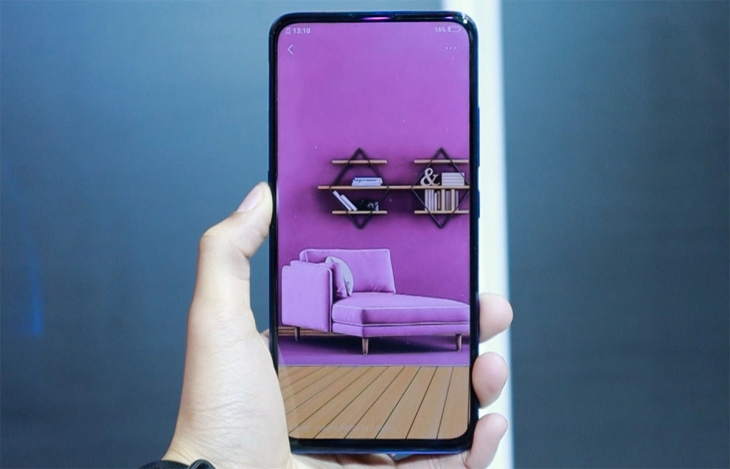
Moving to the specifications of the two phones. In terms of display, the Vivo V15 Pro has an all-screen display thanks to the pop-up front camera. It sports a 6.39-inch FHD+ notched AMOLED Display with a screen-to-body of 90.7 percent. On the Poco F1 side, it comes with a smaller 6.18-inch FHD+ display with a wide notch on the front.
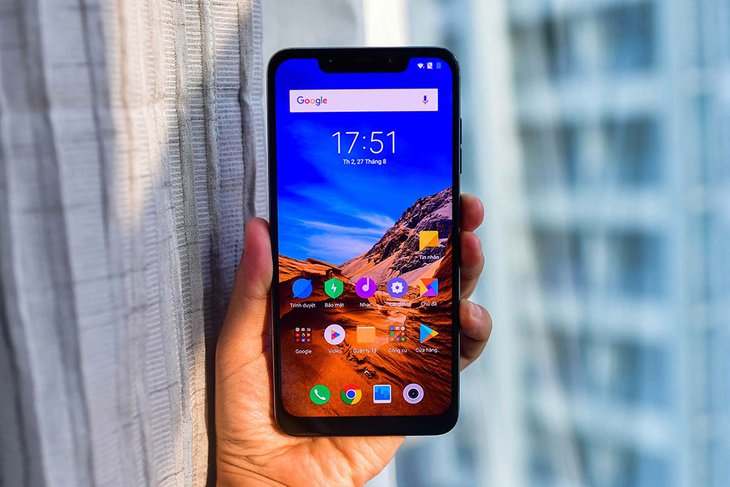
In the hardware department, while the Vivo handset packs a Snapdragon 675 SoC, coupled with 6GB RAM/128GB storage which is expandable via a dedicated microSD slot and that means you can still expand the phone’s storage and use two SIM cards simultaneously. Meanwhile, the Poco F1 is packed with a much more powerful specification which is the best that you can get for the price tag. Under the hood, it is powered by the most powerful SoC at the time, Snapdragon 845 SoC, coupled with 8GB RAM/128GB storage.
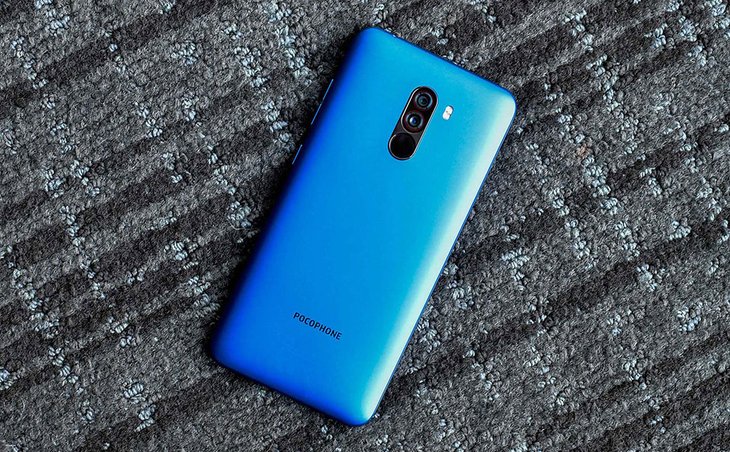
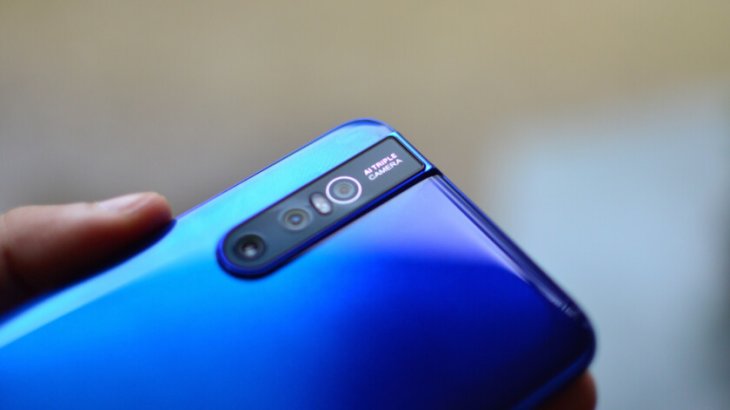
Moving to the camera aspect, the Vivo V15 Pro comes with a triple rear camera setup, comprising of a 48MP Samsung ISOCELL G1 sensor, coupled with an 8MP wide-angle camera, and a 5MP sensor for depth sensing. On the other hand, the Poco F1 also sports a decent dual camera setup on the rear, including a 12MP main sensor and a 5MP depth sensor. On the front, there is a 32MP pop-up selfie camera on the Vivo V15 Pro, while the Poco F1 comes with a 20MP on the front notch.
For the battery, the Vivo V15 Pro is backed by a 3,700 mAh battery with fast charging support. However, it’s quite surprising when the handset only has a rather outdated micro-USB instead of a USB-C one. Still, it has support for Dual-Engine fast charging technology that is claimed to charge from 0 to 24 percent in just 15 minutes. The Poco F1 is slightly better in this aspect as it not only packs a larger 4,000 mAh battery but also has a USB-C port on the bottom and Quick Charge 3 support.
Vivo V15 Pro vs. POCO F1: Final thoughts
You can clearly see the differences between the two phones. While the Vivo V15 Pro comes with some cool features like pop-up selfie camera, on-screen fingerprint sensor, and triple cameras setup, the Poco F1 triumphs in the hardware aspect with higher memory configurations as well as much more powerful Snapdragon 845 SoC over the Snapdragon 675 SoC.
To sum up, if you are a person who is looking for a powerful phone, Poco F1 is not going to disappoint you. But the Vivo V15 Pro will surely offer you better quality cameras and some cool new features as well. It is not really a hard choice to make as the two phones aim at different user’s needs, you just need to figure out what features you are looking for a phone.
Featured Stories

Mobile - Oct 12, 2026
Apple iPhone 20th anniversary edition: Everything we know so far

Mobile - Oct 09, 2026
Are Heat Mitigation Cases for Phones Effective?

Mobile - Oct 07, 2026
Galaxy S27 Ultra Could Restore the Screen Quality Buyers Missed on the S26 Ultra

Mobile - Sep 23, 2026
Motorola Signature 27 Debuts With 200MP Zoom and Extreme Snapdragon Power

Mobile - Sep 18, 2026
The $1,999 iPhone Duo Still Carries Foldables' Oldest Flaw
Mobile - Sep 17, 2026
The iPhone 18 Pro Camera Upgrade Is The Biggest Change In Years

Mobile - Jun 11, 2026
Top Camera Phones Under ₹35,000: 2026 Edition Picks

Mobile - Jun 06, 2026
iOS 27 Promises Major Battery Gains for iPhones

Mobile - Jun 01, 2026
Honor Defies Expectations with a 10,000mAh Gaming Phone Just 7.98mm Thick

Mobile - May 30, 2026
Comments
Sort by Newest | Popular