Australian Researchers Have Found A New Material To Make Bendable Phones
Ayaan Bhardvaj - Nov 01, 2018
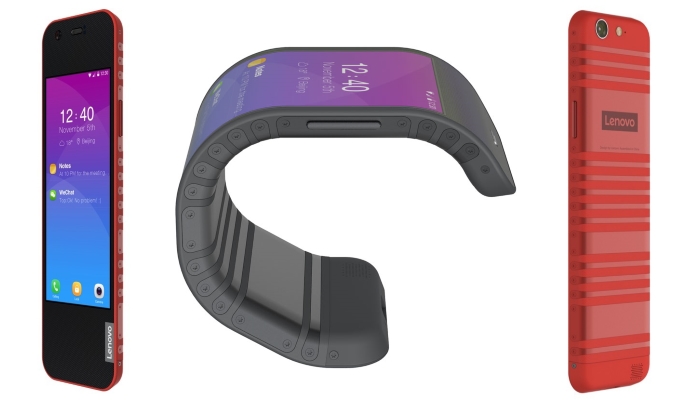
The new semi-organic semiconductor will open a new era of smartphone which is flexible and bendable
- How to get a Bangladesh virtual phone number?
- Looking For The Best Non Chinese Smartphone? Check Out This List
- Xiaomi Mi 10i: Made In India, Snapdragon 750G Chip, 5G, 120Hz Display, 4,820mAh Battery, And 108MP Camera
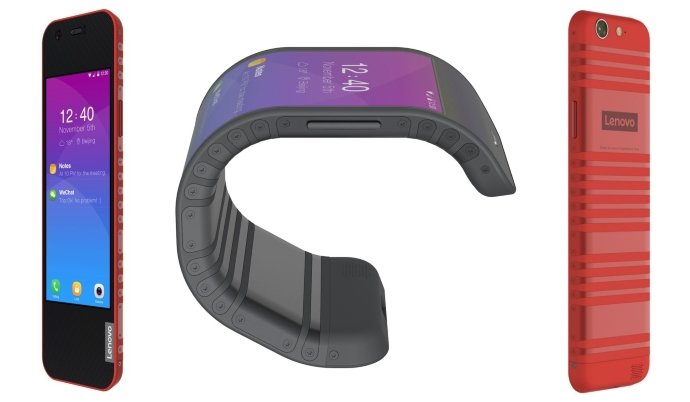
Recently, Samsung is rumored to release a bendable phone in the near future after 20 years of developing. Samsung’s head of mobile thinks that its time for new genre of the smartphone which is more preeminent than the current one.
Imagine you can fold a tablet and put in your pocket or have a wallet-size keyboard. If you think devices like that only exist on movies and scientific fiction, you may probably wrong because researchers from Australian National University (ANU) has developed a material that can be a key to make bendable electronic devices. This is a semi-organic semiconductor which is efficient at converting electricity into light. This is a very important detection which creates a first move on making bendable phones.
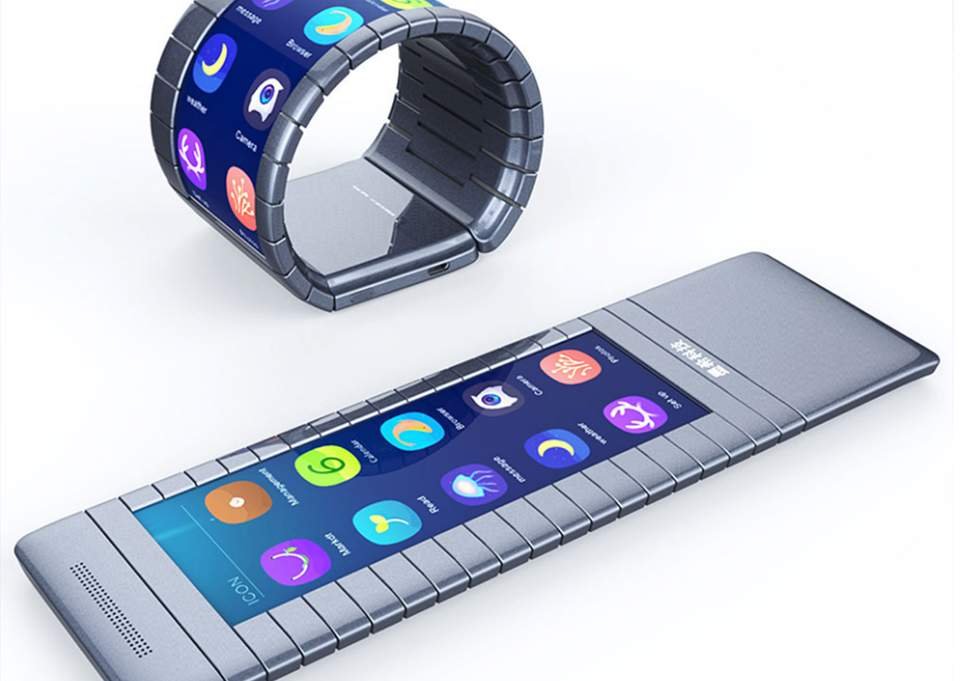
The semi-organic semiconductor is not only thin and pliable but also can be recycled easily because of being mostly composed by carbon and hydrogen. Every year, it is estimated that people release 50 million tonnes of e-waste to the enviroment. However, only 20% of them are recycled. This means that 40 million tonnes are polluting our Earth every minute. E-waste is really a big trouble in the world. They are believed to be one of the major causes of Environmental Destruction because it contains mercury, cobalt, etc which can be recycled and stay in landfills, waterbodies and others. If this material can be commercialized successfully, there will be an extremely decrease in e-waste.
From the experiments using the new hybrid compound, the researchers have found that the new semiconductor has a better performance than conventional inorganic-made semiconductors like silicon. Beside that, the researchers successfully developed the material molecule by molecule, like 3D-Print technology. The process is known as chemical vapour deposition.
If the material can be used in practical life, a new era of technology is opened with flexible and bendable smartphones, but the most important thing is that it will have a revolution in e-waste recycling.
Featured Stories

Mobile - Oct 12, 2026
Apple iPhone 20th anniversary edition: Everything we know so far

Mobile - Oct 09, 2026
Are Heat Mitigation Cases for Phones Effective?

Mobile - Oct 07, 2026
Galaxy S27 Ultra Could Restore the Screen Quality Buyers Missed on the S26 Ultra

Mobile - Sep 23, 2026
Motorola Signature 27 Debuts With 200MP Zoom and Extreme Snapdragon Power

Mobile - Sep 18, 2026
The $1,999 iPhone Duo Still Carries Foldables' Oldest Flaw

Mobile - Sep 17, 2026
The iPhone 18 Pro Camera Upgrade Is The Biggest Change In Years

Mobile - Jun 11, 2026
Top Camera Phones Under ₹35,000: 2026 Edition Picks

Mobile - Jun 06, 2026
iOS 27 Promises Major Battery Gains for iPhones

Mobile - Jun 01, 2026
Honor Defies Expectations with a 10,000mAh Gaming Phone Just 7.98mm Thick

Mobile - May 30, 2026
Xiaomi 17T Pro Excels as Telephoto Champion with Monster Battery Life
Read more

ICT News- Oct 22, 2026
Black October: Major Cyber Incidents Flood the Last 48 Hours
The volume and severity of these events mark one of the most intense periods in recent cybersecurity history.
Comments
Sort by Newest | Popular