Apple Constantly Broke Labor Laws Over The Years With Safety Problems, Poor Working Conditions
Dhir Acharya - Dec 15, 2020
No matter how great a tech firm pictures itself, there will always be a problem hidden somewhere, even with Apple, the world’s most reputable tech giant.
- Best Gaming Phones 2025: Top Devices for Mobile Gaming
- Apple Kills Original HomePod, Focusing On HomePod Mini
- iPhone 12 Color Is Fading Away Quickly And No One Knows Why
No matter how great a tech firm pictures itself, there will always be a problem hidden somewhere, even with Apple, the world’s most reputable tech giant. While the company keeps emphasizing its recycled process, privacy, and eco-friendly products, Apple has got troubled with multiple labors problems over the years.
In this most recent event, over 2000 workers had a violent protest at Wistron Infocomm Manufacturing infrastructure that made iPhones for Apple. Reportedly, the violence happened due to the late wage payment and contract workers have been waiting for 3-4 months now and received nothing. While there’s more to update about this incident, it’s certainly not the first time Apple’s accused of violating workers’ rights. Here are some other past scandals the tech giant got into over the years.
Labor practices
Around 2007-2008
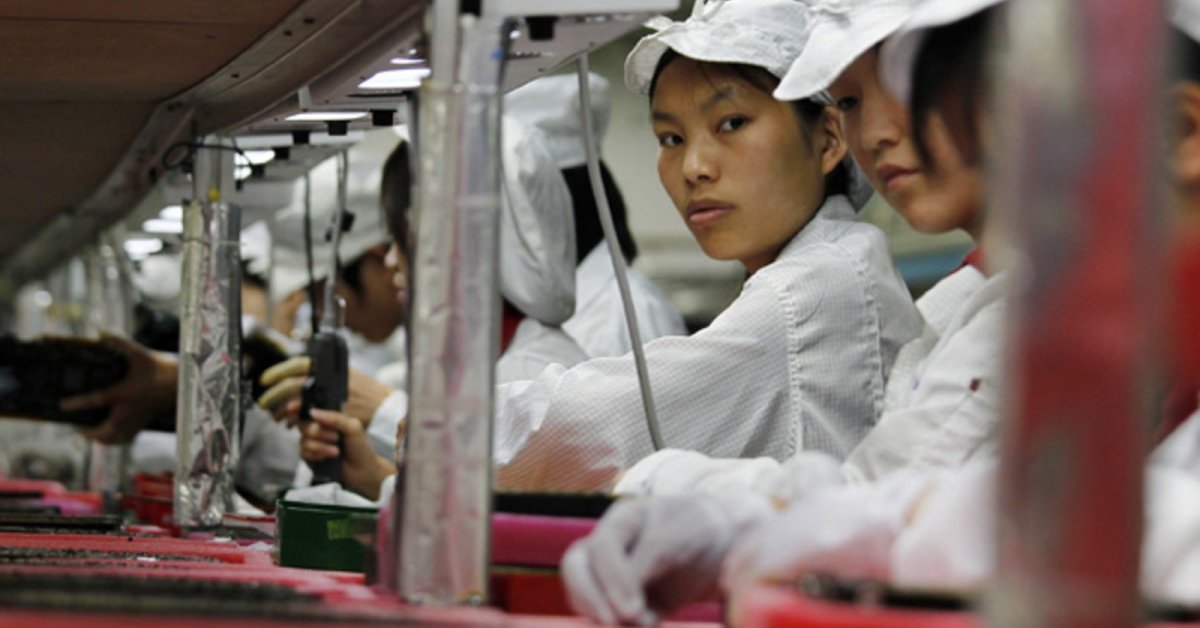
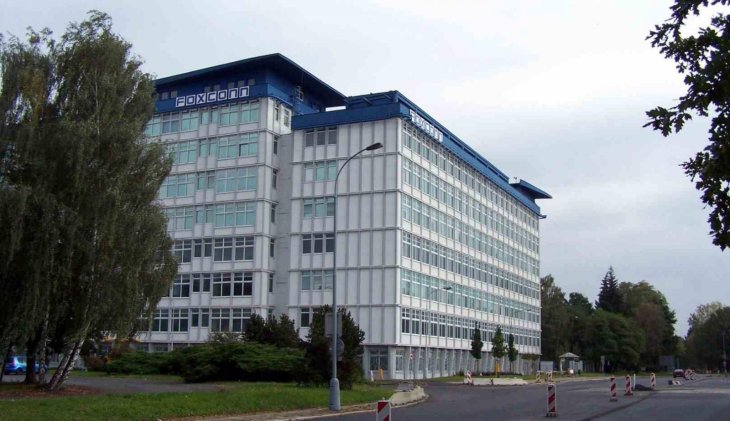
According to multiple reports, the factories based in China where Inventec and Foxconn produced the iPod had poor working conditions. For instance, in an iPod factory, more than 200,000 workers were working over 60 hours per week and living as well. The reports also pointed out that the workers made about Rs 7,364 per month while being required to live there and pay for food and rent. Such living expenses accounted for more than half of what they earned. It was also stated in the article that workers were provided with buckets for washing clothes.
After the allegation, Apple started investigating and worked with the manufacturers to make sure the working conditions met its standards.
In 2007, the tech giant began yearly audits of its suppliers’ labor conditions and gradually raised the standards while cutting relationships with supplies that failed to comply. It began publishing yearly progress reports in 2008.
2010
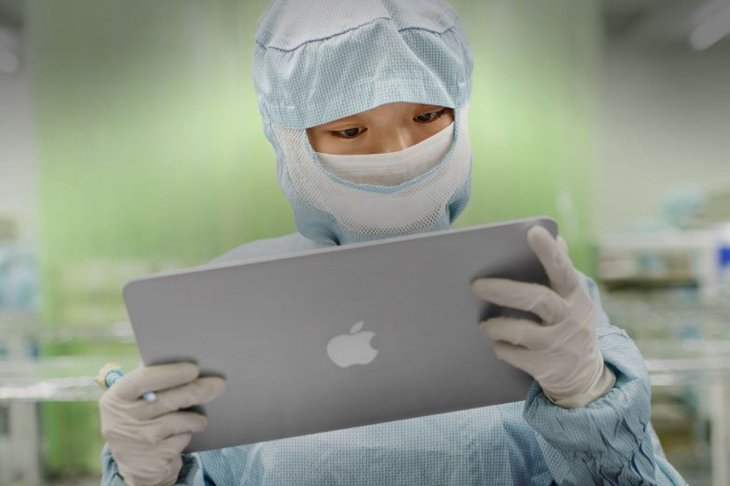
That year, workers in China had the plan to sue iPhone contractors for poisoning from a cleaner they used for cleaning LCD screens. A worker claimed the contractors did not inform them of possible occupational illnesses.
In early 2011, the BBC reported that around 137 workers experienced adverse health effects after being exposed to the chemical, called n-hexane. The workers also said that the factory had not given them enough compensation.
2014-2016
In 2014, an investigation by BBC revealed excessive work hours along with other problems though Apple promised to reform the factory’s practice after the suicide incident in 2010 at Foxconn due to low wages.
The Pegatron factory was reviewed once again and reported were able to access the working conditions by getting recruited as employees. BBC maintained that its reporter’s experience showed that the poor labor conditions had continued since 2010, but Apple denied the claim, stating: “We are aware of no other company doing as much as Apple to ensure fair and safe working conditions.”
Following those exposures, the tech giant continued receiving criticism for its labor rights record. Between 2015 and 2016, reports from China Labor Watch noted that Pegatron’s wages were so low that they could not cover living costs for workers, forcing them to work excessive overtime hours.
Safety problems and poor working conditions
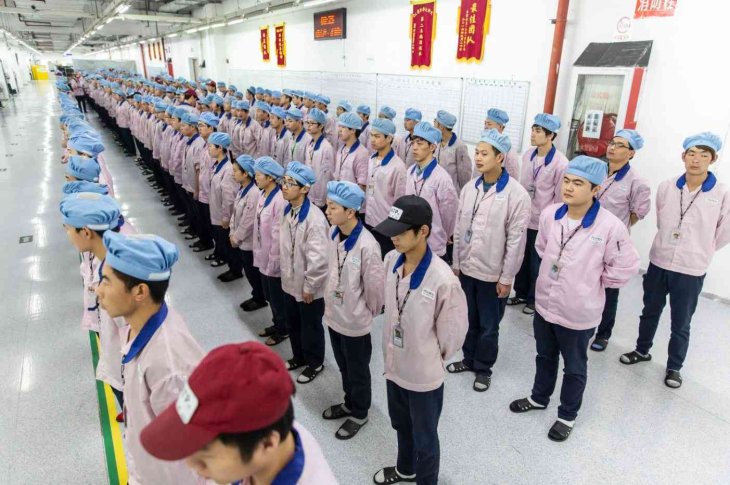
Employees working at Foxconn said that those assembling iPads, iPhones, as well as other devices often underwent harsh conditions. Company reports and advocacy pointed out that Apple’s China-based suppliers discharged hazardous waste improperly and falsified records.
Forty-nine young women and men were poisoned by hexane at the Lianjian Technology factory, all of whom cleaned the iPad screen with the chemical to speed up the production. Besides, to save costs, the factory didn’t provide workers with proper ventilation in the cleaning process, causing them to have neurological problems, numb limbs, loss of motor function, constant faintness, and debilitating fatigue.
Some of the sick workers were bought off and paid a lump payment of Rs 88,367 – Rs 1,03,095, but only if they signed an agreement not to bring claims against the supplier firms or Apple in the future.
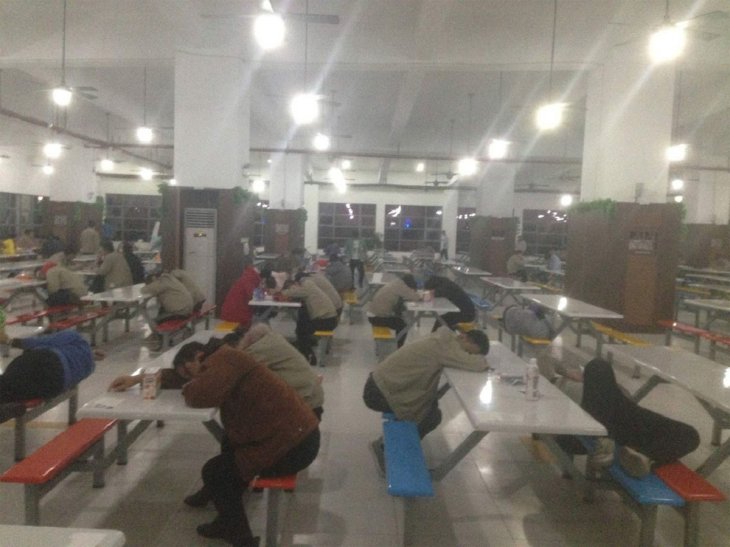
In May 2011, an explosion happened at a Foxconn iPad factory in China, resulting in 4 deaths and 18 injured. Employees worked excessive amounts of overtime, even 7 days a week, living in crowded dorms. Some said that they stood so long their legs swell they could barely walk.
Despite all these scandals, the allegations of poor working conditions at Apple suppliers continued in 2018 when Bloomberg reporters and China Labor Watch (CLW) once again revealed Catcher employees were often in contact with noxious chemical components. At the time, Catcher was a major partner in the supply chain of Apple. Worse, the employees had little understanding of the chemicals and machinery they worked with. They also received only 4 hours of training on average while the standard training duration must be at least 24 hours, but they were made to sign papers certifying that they had finished the full training. Other poor working equipment included no earplugs for the first month as well as low-quality active carbon face masks, shortage of gloves.
Student and child labor abuses
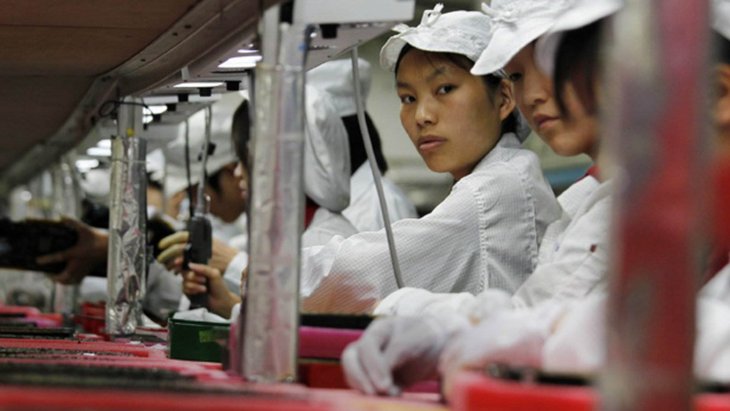
The use of minors and students was a way Foxconn used to obtain low-cost, flexible labor. As the 2010 suicides came to light, Foxconn was short of labor, and the Henan provincial government helped with the breach. It directed 100,000 vocational students to work at the assembly lines as interns and provided them with only a nine-day notice. The students got told that those failing to comply wouldn’t be allowed to graduate.
Interns made up 15 percent of Foxconn’s workforce, becoming a crucial part, with about 180,000 interns at peak times. Teachers were responsible for monitoring attendance. Notably, some interns were only 14 years old, meaning the company violated Chinese laws.
China Labor Watch investigated the labor conditions at three Pegatron factories that made equipment for Apple phones and computers. The investigation found that the manufacturer hired children younger than 18 years, who worked in the same sweatshop condition as adults. Out of the workforce, there were 10,000 from 16 to 20 years old, working in crowded production rooms, and doing the same job as adults. However, some children got lower wages while others were not paid on time.
Featured Stories

ICT News - Dec 25, 2025
The Visibility Concentration Effect: Why Half the Web Isn’t Qualified Anymore

ICT News - Jul 05, 2025
Windows 11 is Now the Most Popular Desktop OS in the World

ICT News - Jul 02, 2025
All About Florida’s Alligator Alcatraz: A Smart Move for Immigration Control

ICT News - Jun 25, 2025
AI Intimidation Tactics: CEOs Turn Flawed Technology Into Employee Fear Machine

ICT News - Jun 24, 2025
Tesla Robotaxi Finally Hits the Streets: $4.20 Rides That'll Make You Hold Your...

ICT News - Jun 24, 2025
World's First Flying Humanoid Robot Takes Flight

ICT News - Jun 24, 2025
When Closed Source Met Open Source: Bill Gates Finally Meets Linus Torvalds After...

Gadgets - Jun 23, 2025
COLORFUL SMART 900 AI Mini PC: Compact Power for Content Creation

ICT News - Jun 22, 2025
Neuralink Telepathy Chip Enables Quadriplegic Rob Greiner to Control Games with...

ICT News - Jun 20, 2025
Tesla vs Zoox vs Waymo: Who would win?
Read more

Mobile- Jan 30, 2026
Red Magic 11 Air Debuts Worldwide: Snapdragon 8 Elite Powerhouse with Advanced ICE Cooling
Nubia's gaming-focused sub-brand, Red Magic, has unveiled its latest smartphone, the Red Magic 11 Air, for global markets.

Mobile- Jan 30, 2026
Motorola Unveils Moto G67 and Moto G77: 5200mAh Battery, 6.78-Inch AMOLED Display, Prices, and Specifications
With their combination of modern features and competitive pricing, the Moto G67 and G77 position Motorola strongly in the mid-range segment for 2026.

Features- Jan 29, 2026
Permanently Deleting Your Instagram Account: A Complete Step-by-Step Tutorial
By following this guide, you can confidently delete your Instagram account and move forward.

Mobile- Jan 29, 2026
Guide to Sharing Your Contact Card via the mAadhaar App
The mAadhaar app, developed by the Unique Identification Authority of India (UIDAI), allows users to manage their Aadhaar details digitally.
Comments
Sort by Newest | Popular