3 Reasons Why Google's 'Cloud Gaming Platform' Stadia will Not Be Successful
Karamchand Rameshwar - Mar 21, 2019
No matter how good the idea is, physical obstacles and ... money are very hard to overcome. Do you agree with that?
- 13 Underrated Google Wallet Features Youre Probably Ignoring (And Theyre Not Credit Cards)
- Google Pixel Battery Scandal Illustrates Why Capacity Rules the Smartphone Market
- Google's Project Toscana: Elevating Pixel Face Unlock to Rival Apple's Face ID
It is almost certain that the most notable event at the GDC (Game Developers Conference) 2019 is Google launching Stadia. As the complete version of Project Stream, Stadia offers a huge promise for gamers: no need for a powerful computer, just an Internet connection and Chrome browser, everyone can play a new game most from Google.
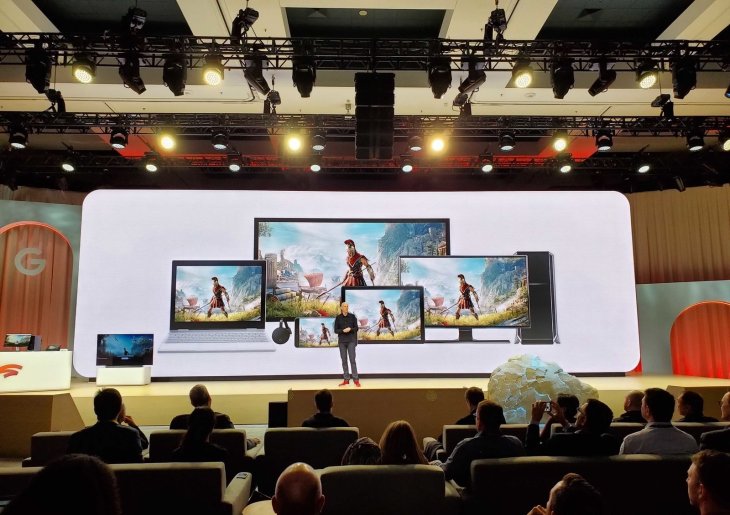
The idea is promising, but the future is not bright for Stadia (or any other stream game services). And these are the challenges that Stadia will certainly not easy to overcome.
Too high latency
Obviously, with game stream platforms like Stadia, every game will be an online game, so it will require users to have a stable network connection at any time, anywhere. These requirements will result in a lot of problems, but the most obvious problem is the game lag: even the light takes time to go from the computer to Google's servers.
Latency will always happen. According to Digital Foundry's test, with the configuration set by Google itself, the latency when playing Assassin’s Creed: Odyssey still went up to 166ms.
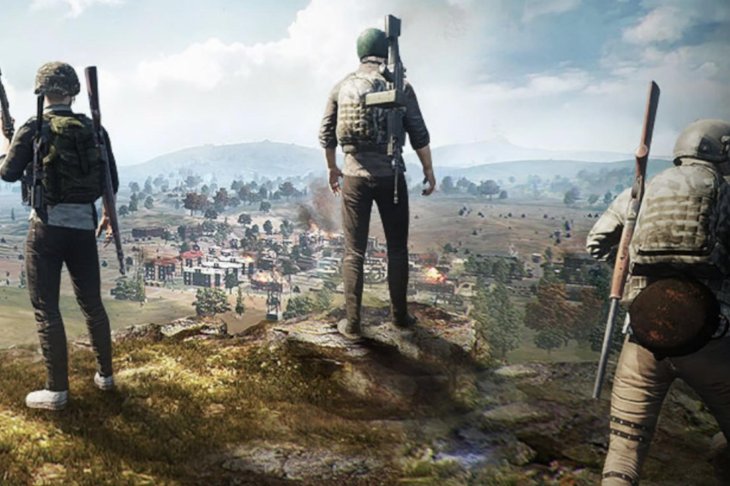
With a single-player game like AC: O, 166ms latency is not unacceptable. And with such a delay, it can be assured that Stadia will have to say no to many FPS / TPS games, including very hot games like Fortnite, PUBG, Battlefield V, Apex Legends or Division 2.
When it comes to practical use, the delay will definitely increase. Even without taking into account user bandwidth or game stream quality (2K 60fps will surely require more than 1080p 30fps), playing games at locations away from Google's data center is impossible. Google absolutely does not have any way to solve this problem, except for the more dense data center deployment in all areas where Stadia is available.
Google will have to make a huge investment
Wanting to deploy dense data center to support Stadia, Google will have to spend a lot of money. But that's not the only sum of money Google has to pay.
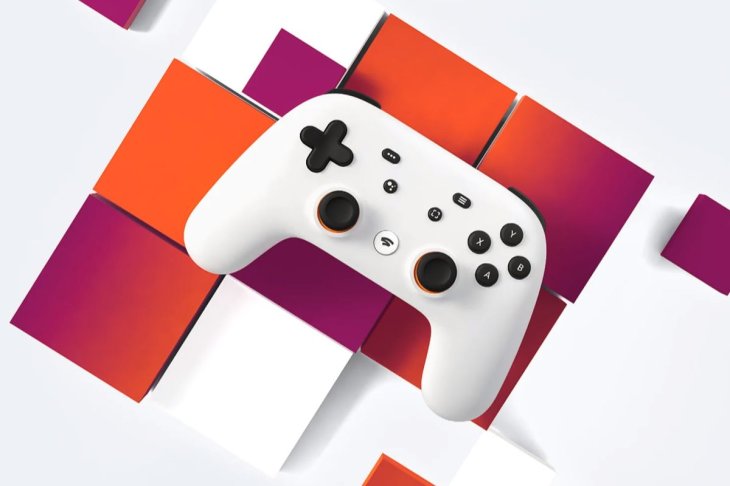
First, due to Stadia is a completely new software architecture, developers will have to make many changes to bring the available games from PC, Xbox or PS4 to this platform. It is mandatory for Google to pay for development partners to get enough attention in the global market.
The server cost and development costs will be huge ...
Next, the cost of maintaining the data centers will also be extremely costs, even more than YouTube. The resource required to play games for one hour will certainly be greater than the power needed to watch videos in one hour. Because geographic requirements are mandatory, Google can hardly make effective data distribution like YouTube: videos stored on US servers, viewers in India can still easily view with hardly any delay, but when it comes to playing games, Indian players must play on either Indian servers or around that.
Definitely high fee
Google / Alphabet is not a company that has a lot of cash reserves. Besides Stadia, Google still has many other businesses that are "burning" hundreds of millions of dollars each year. It means that when the subscription fee will not be low. Remember that Nvidia Now is priced up to $20 a month, while GeForce Now even costs $20 for ... 25 hours of playtime.
Assuming that Google can charge up to $ 20 a month, this amount may still be unreasonable for users. Xbox One S or PlayStation 4 Slim only cost $ 200, PS Plus and Xbox Live services that offer free games are only about $ 10 / month. “Game rental" package called EA Access costs only a few dozen dollars per year. Playing game consoles in 2019 is not really a significant investment whatsoever.

On the other hand, even though you will play games via Stadia using only Google Chrome, you may still need a decent setup to get a good gaming experience. At the same price as the Xbox and PS4, a $200 computer will definitely encounter problems with Chrome, which is known as "RAM eater".
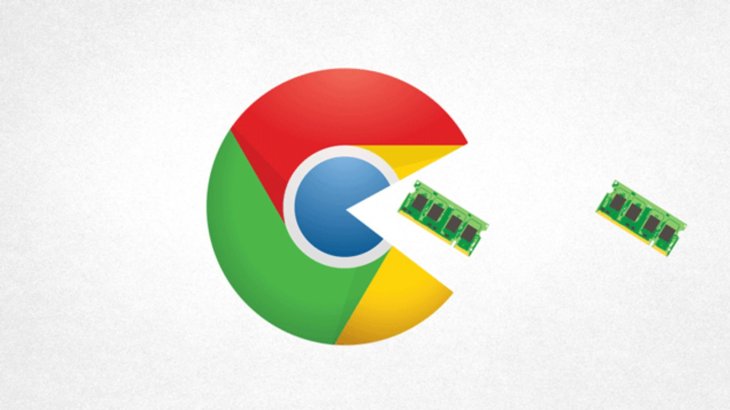
Generally, for Stadia, users will still probably have to spend a lot more money to get a better experience. The more boring the experience, the lower the initial sales will be. Will Stadia live longer than Google Glass, Project Ara or ideas ... just cool on other Google papers?
Featured Stories

ICT News - Sep 19, 2026
Washington Acknowledges Operational Weapons in Earth Orbit

ICT News - Aug 04, 2026
Telegram Vanishes from Apple App Store Worldwide

ICT News - Jul 31, 2026
Russian Buyer Finds Water Bottle in $1,125 Graphics Card Box

ICT News - Jul 29, 2026
The RAM Crisis: Graphics cards shoot up in prices again

ICT News - Jun 27, 2026
OpenAI Launches Limited GPT-5.6 Preview Amid U.S. Security Review

ICT News - Jun 16, 2026
Elon Musk Becomes World's First Trillionaire After SpaceX's Record IPO

ICT News - Jun 14, 2026
The Technological Revolution at the 2026 FIFA World Cup

ICT News - Jun 03, 2026
Apple's Liquid Metal Hinge Poised to Deliver Breakthrough for Foldable iPhone...

ICT News - May 29, 2026
New Glenn Rocket Explodes in Massive Fireball During Static Fire Test at Cape...

Mobile - May 24, 2026
Comments
Sort by Newest | Popular