Google Pixel Battery Scandal Illustrates Why Capacity Rules the Smartphone Market
Marcus Aurelius - Apr 26, 2026
Google Pixel Battery Scandal Illustrates Why Capacity Rules the Smartphone Market
- 13 Underrated Google Wallet Features Youre Probably Ignoring (And Theyre Not Credit Cards)
- Google's Project Toscana: Elevating Pixel Face Unlock to Rival Apple's Face ID
- Google Offers Voluntary Buyouts to US Employees Amid AI Push
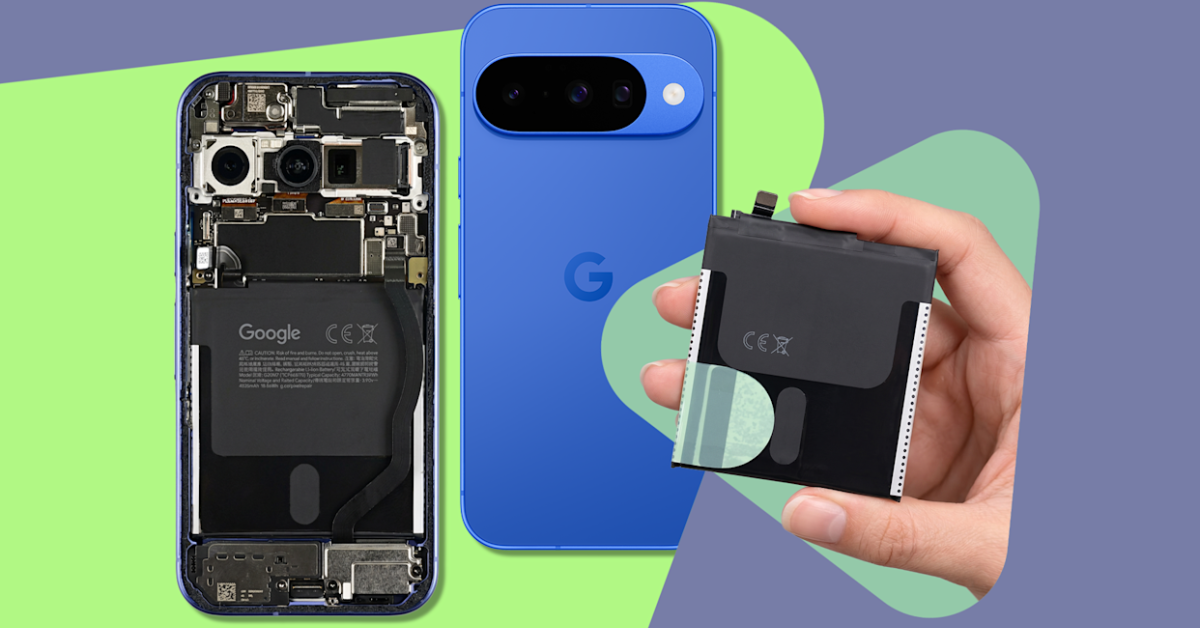
Pixel owners are fed up. A routine software update rolled out in March and April 2026 has triggered widespread complaints of severe battery drain across the Pixel 6, Pixel 7, Pixel 8, Pixel 9, and even the brand new Pixel 10 lineup. Devices that once comfortably lasted a full day now struggle to make it to lunchtime under light use. Idle drain has spiked dramatically, with some phones losing power even in airplane mode. Heat buildup has been reported in certain cases. Google has confirmed it is investigating the issue, but weeks later no fix has arrived.
Reminiscent of Apple's Batterygate
The situation feels eerily familiar. Back in 2017 Apple quietly throttled performance on older iPhones through software updates to prevent unexpected shutdowns caused by aging batteries. The company later called it a necessary stability measure and added battery health tools, but the move sparked outrage and earned the nickname Batterygate. It left users suspicious of any future update that touched power management. Now Google finds itself in a similar spotlight with what some are calling its own mini version of the scandal. Unlike Apple’s case, this does not appear to be intentional throttling for battery preservation. It looks like an unfortunate bug introduced during routine updates. Still, the damage to trust is real, especially for a company that markets its Pixels as shining examples of clean, efficient Android.
Battery Size Dictates Smartphone Usability
This episode drives home a larger truth: battery size still dictates how usable a smartphone feels in daily life. No matter how impressive the camera, how bright the screen, or how fast the processor, a phone that needs constant charging becomes frustrating junk. Software can optimize efficiency, smooth out performance, and stretch every milliamp, but when that software stumbles, the physical capacity of the battery becomes the only buffer left.
Look at the numbers. Flagship Pixels, like most devices from Apple, Samsung, and Google, typically pack cells in the 4,500 to 5,500 mAh range. By contrast, Chinese manufacturers have aggressively adopted silicon-carbon battery technology to push capacities into the 8,000 to 10,000 mAh territory. Even Samsung has relied on the same 5,000 mAh cell in its Galaxy S Ultra series for seven straight generations. Rumors suggest the next Ultra model may finally upgrade with advanced chemistry, but the pattern is clear: many premium phones still operate with relatively modest batteries and depend heavily on software tricks to deliver acceptable endurance.
When a bug like the current Pixel drain hits, those modest capacities offer little margin for error. A phone with a larger cell can absorb the inefficiency for days while developers scramble for a patch. A smaller battery simply cannot. Users end up hunting for outlets or carrying power banks, and brand loyalty erodes fast. The Pixel line has long been praised for its clean software and smart features, yet this latest fiasco shows that even Google’s optimization expertise cannot fully compensate when hardware limits are tested.
Looking Ahead: Lessons for Google and the Industry
Battery anxiety has returned with a vengeance. Features like AI photo editing, high refresh rate displays, and always-on connectivity keep raising power demands. Future Pixel models, including the upcoming Pixel 11, will need to address this reality head on. Relying solely on software patches and clever algorithms is no longer enough. Larger battery capacities provide the straightforward, reliable foundation that users actually notice every single day.
Google will almost certainly release a fix soon. The company has a strong track record of addressing issues through updates. Yet the episode serves as a timely reminder for the entire industry. When it comes to what makes a smartphone truly great, battery size remains king. Everything else is secondary if the phone dies before dinner.
Featured Stories

Mobile - Oct 09, 2026
Are Heat Mitigation Cases for Phones Effective?

Mobile - Oct 07, 2026
Galaxy S27 Ultra Could Restore the Screen Quality Buyers Missed on the S26 Ultra

Mobile - Sep 23, 2026
Motorola Signature 27 Debuts With 200MP Zoom and Extreme Snapdragon Power

Mobile - Sep 18, 2026
The $1,999 iPhone Duo Still Carries Foldables' Oldest Flaw

Mobile - Sep 17, 2026
The iPhone 18 Pro Camera Upgrade Is The Biggest Change In Years

Mobile - Jun 11, 2026
Top Camera Phones Under ₹35,000: 2026 Edition Picks

Mobile - Jun 06, 2026
iOS 27 Promises Major Battery Gains for iPhones

Mobile - Jun 01, 2026
Honor Defies Expectations with a 10,000mAh Gaming Phone Just 7.98mm Thick

Mobile - May 30, 2026
Xiaomi 17T Pro Excels as Telephoto Champion with Monster Battery Life

Mobile - May 25, 2026
13 Underrated Google Wallet Features Youre Probably Ignoring (And Theyre Not...
Read more
Mobile- Oct 09, 2026
Are Heat Mitigation Cases for Phones Effective?
Phone heat mitigation cases claim to keep devices cooler during heavy use like gaming or video recording.

Mobile- Oct 07, 2026
Galaxy S27 Ultra Could Restore the Screen Quality Buyers Missed on the S26 Ultra
The S26 series arrived in February 2026, so a similar early 2027 window is the likely launch period.
Comments
Sort by Newest | Popular