The RAM Crisis: Graphics cards shoot up in prices again
Marcus Aurelius - Jul 29, 2026
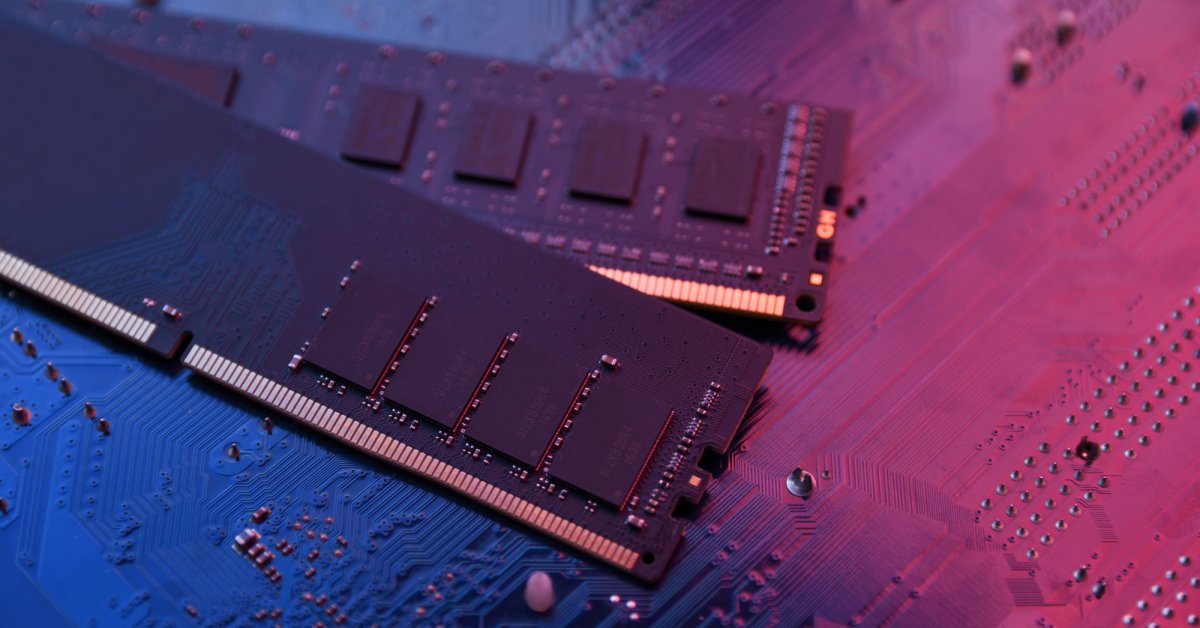
Until memory production capacity catches up, graphics cards are likely to remain more expensive than many enthusiasts hoped.
- ATK Dragonfly A9 Ultimate+ Gets a Magnetic Charging Dock
- Russian Buyer Finds Water Bottle in $1,125 Graphics Card Box
- Backend Platform Addresses Key Challenges in Indian Game Development
Gamers hoping for relief on high-end PC hardware are facing another round of sticker shock. Graphics card prices are climbing once more in mid-2026, driven by the ongoing global memory shortage that has upended the entire semiconductor supply chain. What began as a scramble for high-bandwidth memory to power artificial intelligence data centers has spilled over into consumer graphics, pushing the cost of video memory and complete GPUs sharply higher.
The roots of the shortage
The current crisis traces back to the explosive growth of generative AI starting around mid-2024. Data center operators and AI companies poured resources into specialized accelerators that rely heavily on high-bandwidth memory, or HBM. The three major memory makers, Samsung, SK Hynix, and Micron, shifted significant production capacity toward these higher-margin products. Conventional DRAM used in PCs and the GDDR6 and GDDR7 memory found on modern graphics cards received far less wafer allocation as a result.
By 2025, DRAM prices had already surged dramatically. Contract prices continued rising through 2026, with some quarterly jumps reported in the 50 to 95 percent range depending on the period and memory type. AI-related demand has been estimated to consume a majority of available memory output, leaving consumer hardware competing for a shrinking remainder. New fabrication plants take years to come online, so supply growth has lagged demand. Nvidia CEO Jensen Huang has publicly stated that the memory shortage will last “quite a few years,” a forecast that points to continued pressure well beyond 2026.
Why graphics cards feel the pain
Modern GPUs carry substantial amounts of dedicated video memory. On flagship cards this can reach 32 GB of GDDR7. Memory chips now represent a very large share of a graphics card’s bill of materials, in some analyses exceeding 80 percent of the total cost. When GDDR prices rise, board partners and Nvidia itself face higher costs that are quickly passed along to retailers and buyers.
Nvidia’s RTX 50-series cards, which launched with GDDR7, have been especially exposed. Production volumes for certain models have been cut, and partners have received repeated cost adjustments. AMD’s Radeon products have seen similar pressure, though the most dramatic increases have appeared on the highest-end Nvidia models.
The latest price moves
Street prices tell the story clearly. The GeForce RTX 5090 launched with an MSRP of $1,999. By July 2026, typical Amazon listings sat around $4,300, with some premium partner models exceeding $5,000. That represents more than double the original suggested price. Mid-range cards such as the RTX 5080 and 5070 Ti have also climbed 15 to 20 percent or more in many markets.
In late July 2026, reports emerged of a third round of price increases from Nvidia in the same year. Some consumer models saw adjustments of 20 to 30 percent on top of earlier hikes. Distributors in China began raising local prices further, with rumors of additional jumps of 15 to 20 percent on several RTX 50-series cards driven by higher GDDR7 and component costs. Stock availability has tightened on major platforms, and some listings have disappeared entirely.
Older cards have not been immune. Resale values for previous-generation models such as the RTX 4090 have risen as buyers seek alternatives to the inflated new hardware.
Broader fallout and what comes next
The memory crunch has affected more than just discrete graphics cards. System RAM prices have multiplied, laptop and console pricing has increased, and PC makers have reported higher component costs that squeeze margins or force retail price adjustments. Some lower-cost systems have become economically unviable. Analysts expect the consumer PC market to contract in 2026 partly because of these elevated prices.
Relief is not expected soon. New memory fabs announced by manufacturers will not begin meaningful production until 2028 or later. In the meantime, AI demand shows no sign of slowing. Gamers who need a new card face difficult choices: pay the current premiums, hunt for remaining stock of older models, or wait and risk further increases.
The 2021 GPU shortage was largely temporary and tied to cryptocurrency mining and pandemic supply disruptions. The 2026 situation is different. It is structural, rooted in the long-term expansion of AI infrastructure. Until memory production capacity catches up, graphics cards are likely to remain more expensive than many enthusiasts hoped. For now, the RAM crisis continues to rewrite the price of high-performance gaming hardware.
Featured Stories

ICT News - Sep 19, 2026
Washington Acknowledges Operational Weapons in Earth Orbit

ICT News - Aug 04, 2026
Telegram Vanishes from Apple App Store Worldwide

ICT News - Jul 31, 2026
Russian Buyer Finds Water Bottle in $1,125 Graphics Card Box

ICT News - Jun 27, 2026
OpenAI Launches Limited GPT-5.6 Preview Amid U.S. Security Review

ICT News - Jun 16, 2026
Elon Musk Becomes World's First Trillionaire After SpaceX's Record IPO

ICT News - Jun 14, 2026
The Technological Revolution at the 2026 FIFA World Cup

ICT News - Jun 03, 2026
Apple's Liquid Metal Hinge Poised to Deliver Breakthrough for Foldable iPhone...

ICT News - May 29, 2026
New Glenn Rocket Explodes in Massive Fireball During Static Fire Test at Cape...

Mobile - May 24, 2026
iOS 27 Preview: Apple Delivers Its Most Intelligent Siri Yet Alongside Fresh AI...

ICT News - May 08, 2026
Comments
Sort by Newest | Popular