This AR App Can Paste An Object From The Real World To Your Computer Screen
Dhir Acharya - Oct 27, 2020
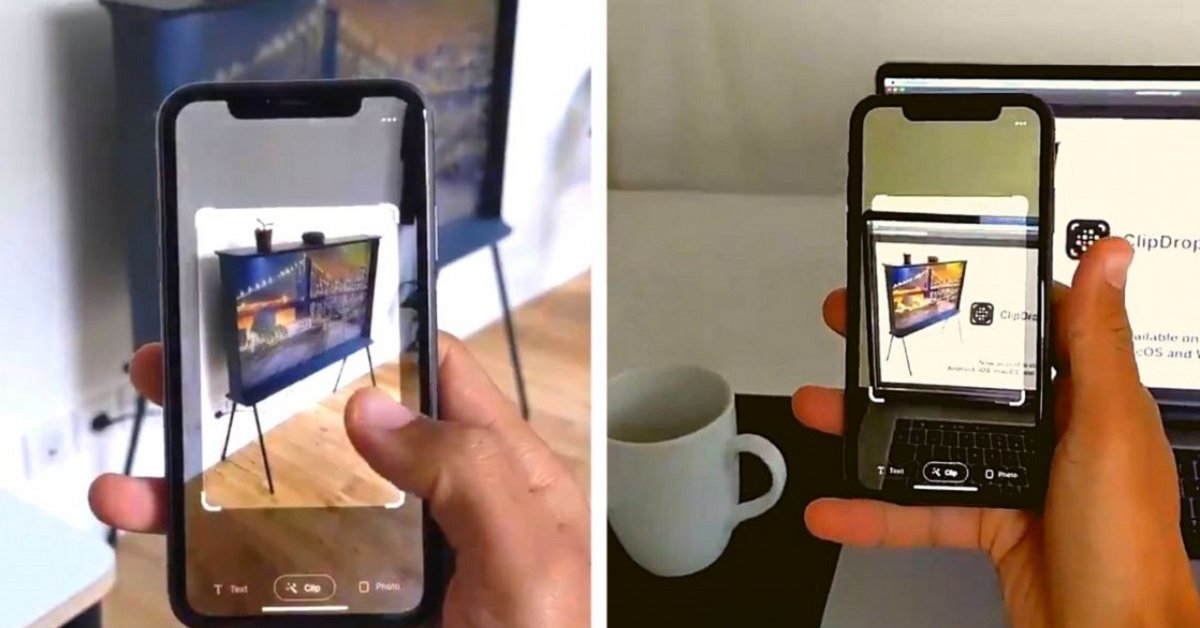
This app lets uses take a photo of a real-life object, automatically remove the background, then convert it into a digital image.
- People Are Crazy About This New Feature That Lets You Create 3D Animals In Your House
- These New AR Features Of Google Will Make It To Apps And Software Soon
- Lenovo AR Glasses Allow Users To Simulate Multiple Screens
ClipDrop is a reality-bending application that allows users to drop real-life objects into a desktop screen, and the AR app is taking the internet by storm, as revealed in a demo tweet posted by developer Cyril Diagne. The app was actually developed before, but it has now come a long way and is more refined.
The concept of this app is to let uses take a photo of a real-life object, automatically remove the background, then convert it into a digital image. Then, users can paste the image on the desktop screen or use it in apps.
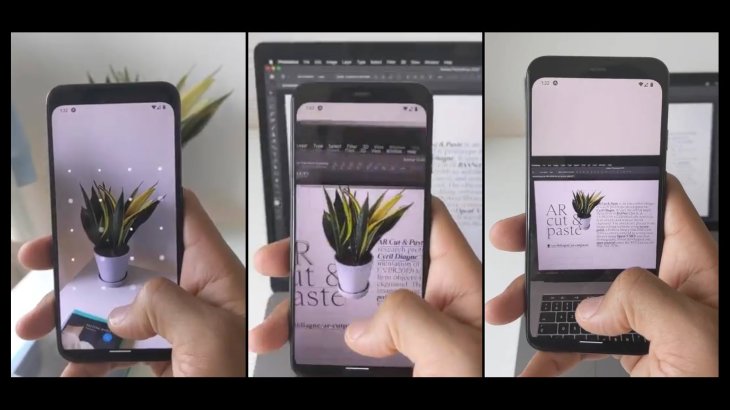
Not just people and objects, the app can also do the trick with text in a book or a physical page in the surrounding environment.
ClipDrop seems good at telling between objects in focus and the background, but it sometimes produces blurred edges or leaves out parts of the object. These bugs are presumably faults in the beta phase, which will improve over time.
In addition, the application works directly with others such as Photoshop, Powerpoint, Pages, and Canva, meaning users can paste objects into a project they’re working on. Using the desktop app, users can also pull images or text from apps or websites.
You can get ClipDrop for all platforms including Windows, Android, iOS, and macOS. But you will have to pay $39.99 to unlock all the features of the app.
In fact, AR phone apps are not new. Havard University developed the first AR app in 1968, called “Sword of Damocles” – an AR/VR head-mounted display system developed by Ivan Sutherland. The system was connected to a camera.
Sutherland conceived the “Ultimate Display” concept that allowed simulated reality to appear indiscernible from the real world. This involved virtual reality viewed through a head-mounted screen that could look realistic with augmented 3D sound as well as tactile feedback.
Besides, computer hardware has to produce and maintain virtual reality in real-time, users need to experience interactive capabilities with VR in a realistic way.
Though we cannot say ClipDrop has met Sutherland’s concept for the Ultimate Display, there’s no denying that augmented reality has been eating its way into our real world.
>>> First Case In India: Apple Watch Saved A 61-Year-Old User’s Life
Featured Stories

Features - Mar 24, 2026
How to Use GeForce NOW to Play Video Games Without Actual Hardware

Features - Jan 29, 2026
Permanently Deleting Your Instagram Account: A Complete Step-by-Step Tutorial

Features - Jul 01, 2025
What Are The Fastest Passenger Vehicles Ever Created?

Features - Jun 25, 2025
Japan Hydrogen Breakthrough: Scientists Crack the Clean Energy Code with...

ICT News - Jun 25, 2025
AI Intimidation Tactics: CEOs Turn Flawed Technology Into Employee Fear Machine

Review - Jun 25, 2025
Windows 11 Problems: Is Microsoft's "Best" OS Actually Getting Worse?

Features - Jun 22, 2025
Telegram Founder Pavel Durov Plans to Split $14 Billion Fortune Among 106 Children

ICT News - Jun 22, 2025
Neuralink Telepathy Chip Enables Quadriplegic Rob Greiner to Control Games with...

Features - Jun 21, 2025
This Over $100 Bottle Has Nothing But Fresh Air Inside

Features - Jun 18, 2025
Comments
Sort by Newest | Popular