Can You Believe It? Indian Scientists Once Used Rockets To Send Mails
Aadhya Khatri - Mar 02, 2020
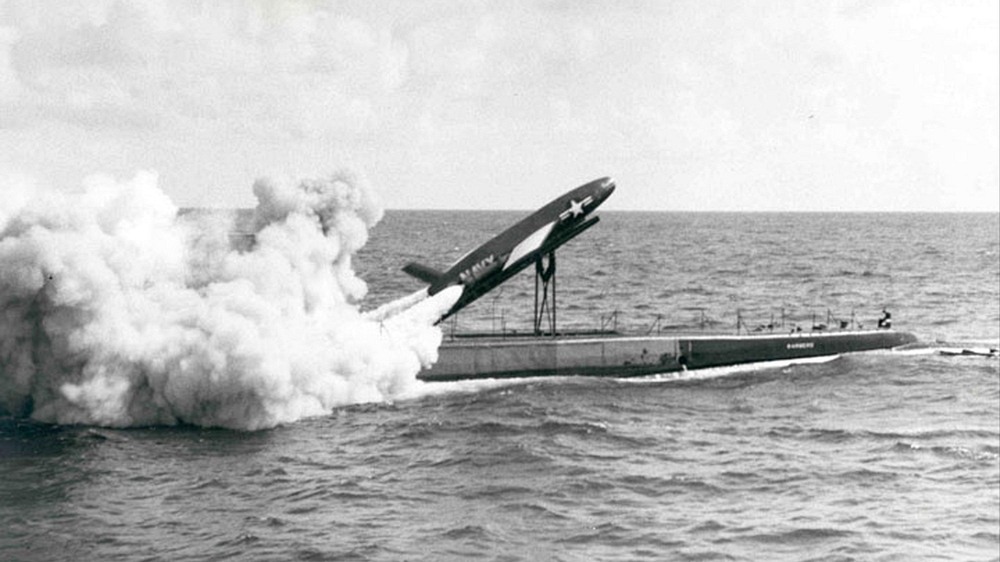
Stephen Smith once sent a hen and a cock on a rocket mail across the river in India. The two frightened birds survived and later were donated to a zoo
- Delhi Is The World’s Most Polluted Capital City For Three Years In A Row
- Indian Farmers Install High-Tech, Night-Vision CCTV Cameras To Protect Themselves
- Looking For The Best Electric Bike In India 2021? Take A Look At These
Nowadays, we have a quite established postal system that allows us to mail just about anything anywhere. However, on the first days of the service, things were not as convenient as it is today, which led to lots of weird ideas to be proposed.
Back to the days when motorized vehicles were still decades away in the future, mails were delivered on foot or horseback, which means you would have to wait for days to receive anything.
In an effort to improve the speed of delivery, people living in the early 1800s in the U.S thought of an ingenious idea to send mails faster, which was to tie them on a rocket.
The Mail Rocket
The first person to propose the idea of a mail rocket was Heinrich yon Kleist, a German poet. Back in the 1800s, rockets were as basic as a rudimentary casing and gunpowder. He argued that with a rocket, mails could be delivered a distance of 289 km in just one-tenth of the time it took a horse.
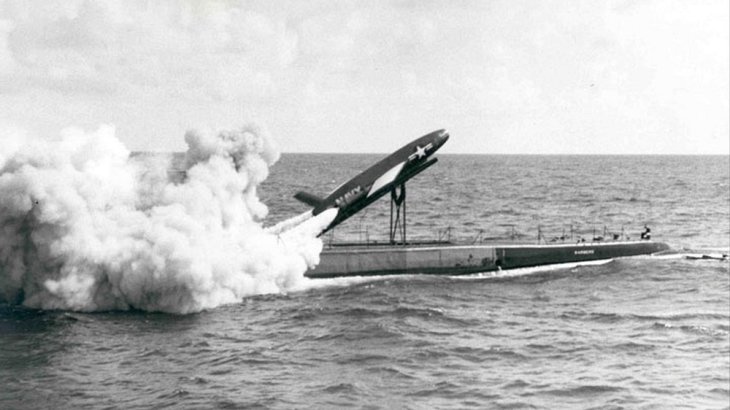
The idea might sound wild but an inventor was interested in it enough to test the theory. Sir William Congreve, a British inventor strapped mails to the Congreve Rockets, the most advanced model of the time. It turned out the idea worked, he successfully delivered mails to Tonga but the method proved to be unreliable, so the test was discontinued.
Fast forward to 1927, the idea was brought back to life by Hermann Julius Oberth, a rocket scientist.
What he wanted to do was to create a self-guided rocket that could travel a distance from 965 km to 1930 km. The invention caught the interest of Friedrich Schmiedl, an Australian engineer.
Rocket Mail In India
Schmiedl knew how hard it is delivering mails to remote areas. He had tried balloons but the idea did not work out as he expected. So in 1931, his first rocket mail was launched.
102 letters were delivered to a village 5 km away on the first attempt and the second try saw 333 letters reached their destinations. The concept of rocket mail has finally been proven to be feasible.
The idea of rocket mail continued to spread across the world with very limited success until 1959, the US Postal Department picked up the idea and launch its own test.
Somehow they manage to get a Regulus prime cruise missile featuring a nuclear warhead. And of course, they did not want to nuke the receiving end of the mails so the warhead was replaced by two mail containers. The missile weighed 589 kg and carried 3,000 letters. The test was a success.
The rocket mail of Schmiedl was the inspiration for several other countries like India, England, the U.S, and Australia to conduct their own tests.
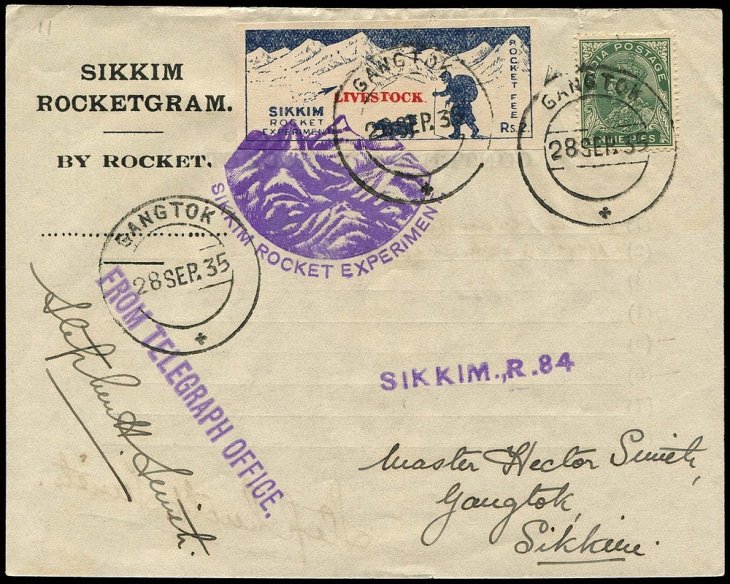
In India, the idea saw another success. Stephen Smith, a pioneering aerospace engineer enhanced the method of delivering mails by a rocket. During the years from 1934 to 1944, he launched 270 rockets with 80 of them carrying mails.
He also made history by delivering packets of spices, rice, cigarettes, and grains to Quetta, now in Pakistan, which was struck by an earthquake.
His next endeavor sent a cock and a hen across the river onboard a rocket. The two frightened birds survived and later were donated to a zoo in Calcutta. The next attempt involves an apple and a snake.
Sending the first U.S. rocket mail
The only problem here is the fee to send such a mail. One Regulus missile cost $1 million so one must pay around $333 to deliver a mail cross country.
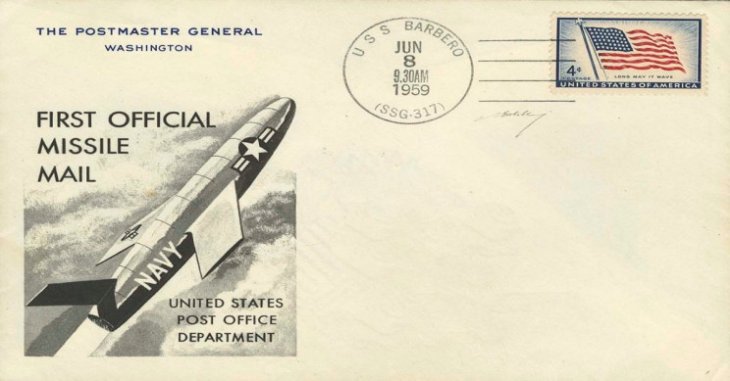
The idea of rocket mail was impractical as airplanes were already delivered mails overnight at a fraction of the price so there was no need to pay such a high price to strap mails on a missile.
That was the last documented effort to test the feasibility of rocket mail. That is why now we have cargos and letters delivered by airplanes and trucks, not badass nuclear ballistic missiles.
On the flip side, it is a luck that the idea did not work out and we have emails now, otherwise we would see missiles all over the sky.
>>> Our Future Smartphones Can Be Charged With Electricity Produced Out Of Thin Air
Featured Stories

Features - Jul 01, 2025
What Are The Fastest Passenger Vehicles Ever Created?

Features - Jun 25, 2025
Japan Hydrogen Breakthrough: Scientists Crack the Clean Energy Code with...

ICT News - Jun 25, 2025
AI Intimidation Tactics: CEOs Turn Flawed Technology Into Employee Fear Machine

Review - Jun 25, 2025
Windows 11 Problems: Is Microsoft's "Best" OS Actually Getting Worse?

Features - Jun 22, 2025
Telegram Founder Pavel Durov Plans to Split $14 Billion Fortune Among 106 Children

ICT News - Jun 22, 2025
Neuralink Telepathy Chip Enables Quadriplegic Rob Greiner to Control Games with...

Features - Jun 21, 2025
This Over $100 Bottle Has Nothing But Fresh Air Inside

Features - Jun 18, 2025
Best Mobile VPN Apps for Gaming 2025: Complete Guide

Features - Jun 18, 2025
A Math Formula Tells Us How Long Everything Will Live

Features - Jun 16, 2025
Comments
Sort by Newest | Popular