Researchers Find A Way To Grow Tomatoes In Space
Anil - Jan 15, 2020
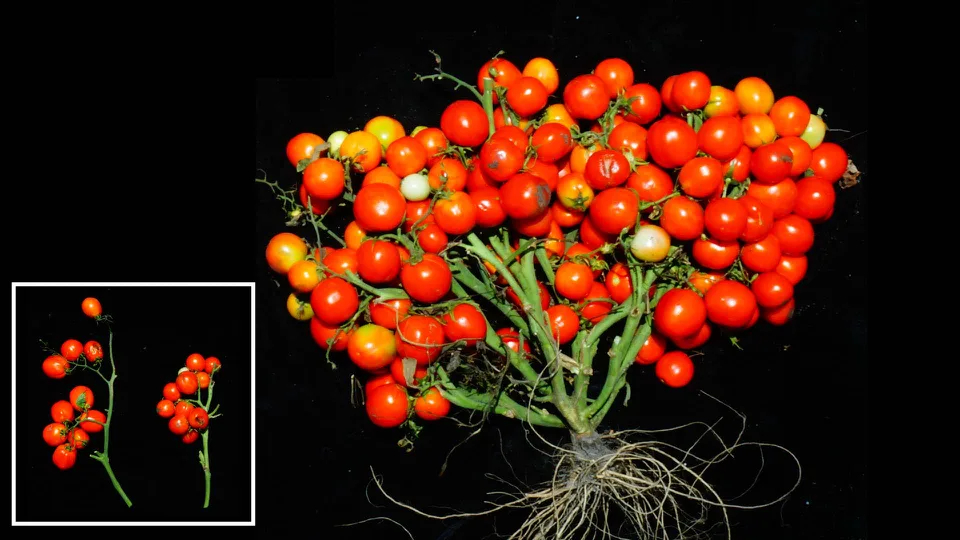
These tomatoes are characterized by their being genetically modified so that they look like a rose when they are ripe.
- Potted Plants Can't Act Like A Air Purifier As You Might Think
- Artificial Trees Promise To Purify Polluted Air Better Than Real Ones
- Plants Can Communicate To Agree On What Time It Is
Many thousands of plants need the land to be liveable and supplemented with excessive fertilizers which flow in streams and rivers. At the beginning of this year, the United Nations has warned the threat of land, where over 500 million people are living on, was negatively affected by deforestation, changes of weather patterns as well as the overuse of viable cropland.
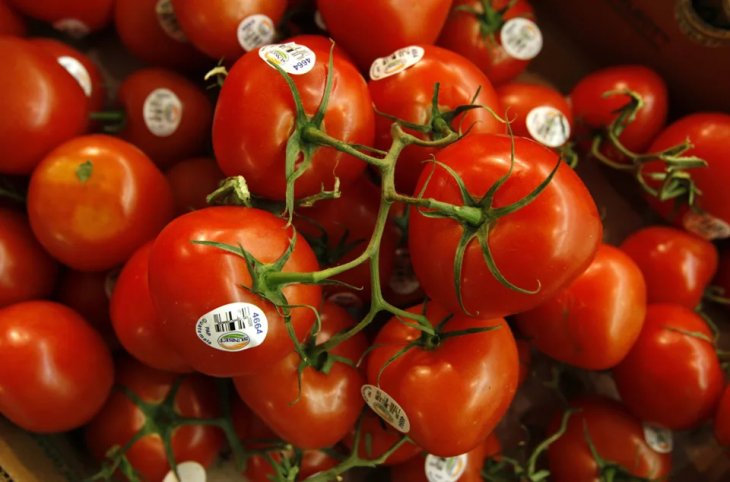
A burden transfer of growing crops to urban areas and other places is being studied by Cold Spring Harbor Laboratory, a non-profit organization. This organization is working on agriculture tomatoes that can be grown in urban sites. These tomatoes are characterized by their being genetically modified so that they look like a rose when they are ripe. Their growth is extremely fast and can be ready for harvesting in less than 40 days. Above all, they are extremely environmentally friendly.
Zach Lippman, the HHMI Investigator of Cold Spring Harbor Laboratory, along with his team, has reported their creation of new tomatoes via the fine-tuning of two genes that affect the transfer to reproductive growth as well as plant sizes. These two genes are SP5G and SELF PRUNING (SP) that can cause the plants to stop developing at sooner, and flowers or fruit earlier. However, the lab understood that they could only change the SP sister genes prior to the trade of flavor or yield for small plants.
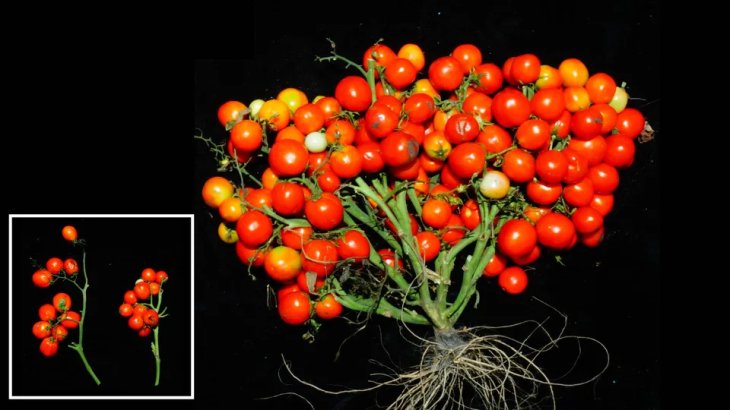
The research team has recently also found out SIER, another gene that supports the control of stems' lengths. Accordingly, shorter stems, as well as solid plants, can be created thanks to the mutation of SIER with a gene-editing tool for CRISPR combining with the mutations of two other flowering genes. As a result, these gene-modified tomatoes can easily be grown in many urban areas and spaces, including vertical gardens, or storage units, where the harvesting is quick and easy.
Additionally, the research team is having a plan to examine this method with an aim to produce other fruit crops such as kiwis, stated by Nature Biotechnology. Lippman is certain about the potential of NASA's interest in the team's innovation. He also believes in the astronauts testing out their urbanized tomatoes.
Featured Stories

Features - Mar 24, 2026
How to Use GeForce NOW to Play Video Games Without Actual Hardware

Features - Jan 29, 2026
Permanently Deleting Your Instagram Account: A Complete Step-by-Step Tutorial

Features - Jul 01, 2025
What Are The Fastest Passenger Vehicles Ever Created?

Features - Jun 25, 2025
Japan Hydrogen Breakthrough: Scientists Crack the Clean Energy Code with...

ICT News - Jun 25, 2025
AI Intimidation Tactics: CEOs Turn Flawed Technology Into Employee Fear Machine

Review - Jun 25, 2025
Windows 11 Problems: Is Microsoft's "Best" OS Actually Getting Worse?

Features - Jun 22, 2025
Telegram Founder Pavel Durov Plans to Split $14 Billion Fortune Among 106 Children

ICT News - Jun 22, 2025
Neuralink Telepathy Chip Enables Quadriplegic Rob Greiner to Control Games with...

Features - Jun 21, 2025
This Over $100 Bottle Has Nothing But Fresh Air Inside

Features - Jun 18, 2025
Comments
Sort by Newest | Popular