Man Casted Out For Being In Charge Of COVID-19 Patients' Cremation
Harin - Oct 07, 2020
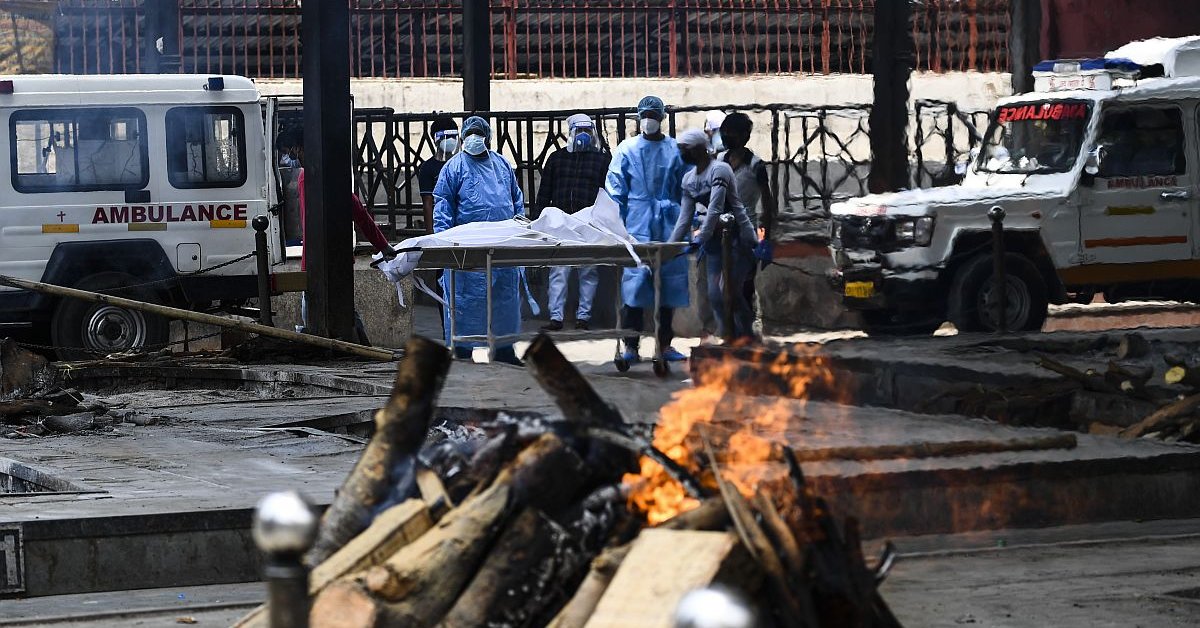
He was asked to move out by his innkeeper and wasn't allowed to return home to visit his family for handling the corpses of COVID-19 victims.
- This Man's Super-Antibody Can Be Diluted 10,000 Times But Still Works Against COVID-19
- These Indian Cities Are Under Lockdown Again In 2021
- India To Review Covishield Vaccine After Report Of Blood Clots Following Vaccination
Ramananda Sarkar never thought he would have to make a living through the cremation of the dead. But he was drowning in debt and despair. The 43-year-old left a remote village in Assam after he couldn’t pay off a car loan.
Yet, even in the state capital Dispur, Sarkar struggled to find work.
Two years ago, he went to the crematorium in Gauhati where he took the job of burning the bodies. While cremation is believed to be sacred and helps to free the dead soul by Hindus, those who actually handle corpses are looked down on.
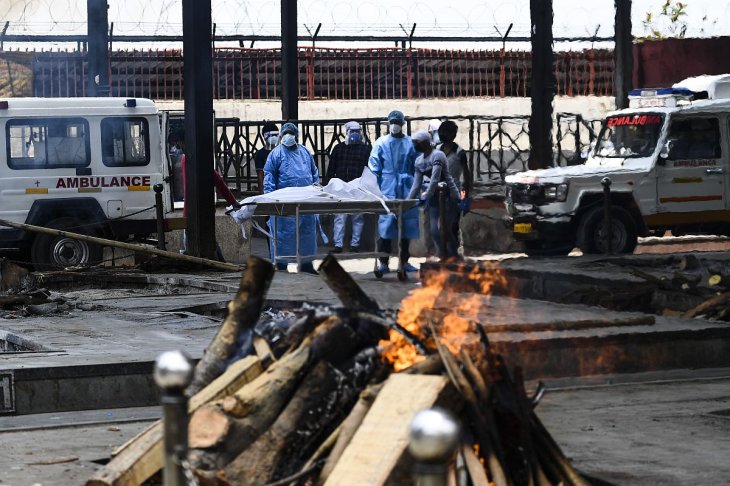
The stigma attached to this work was made worse by the COVID-19 pandemic, with more than 100,000 deaths out of the 6.4 million recorded cases of illness in India.
After hiding his job for some time, Sarkar decided to tell his wife the truth. In early May, he cremated a woman, unaware she had died of COVID-19.
When everyone knew this, he was shunned and scorned. The Assam state government put Sarkar on quarantine for a few days but still allowed him to go outside since there was no one replacing him at the cremation site.
Sarkar is currently working at a special crematorium that the local government sets up for the victims of the pandemic.
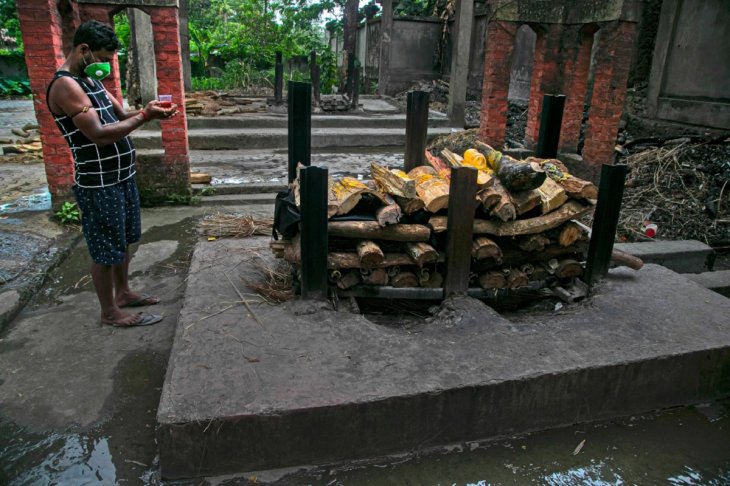
With a mask and prayers, he cremated the bodies of the patients. Work was completed quickly with minimal rituals as instructed by the state government.
Since the outbreak of the pandemic, the state of Assam has recorded more than 181,600 cases of COVID-19 and 711 deaths. Sarkar said the cremated on his own more than 450 patients.
Although his work contributes to the safety of the community, his private life continues to get worse.
When the innkeeper learned of Sarkar’s work, he was immediately asked to move out. Luckily, a local official arranged the hotel room for him.
The village chief also didn’t allow him to return home to visit his family. Later, when the local government intervened on his behalf, the villagers simultaneously protested.
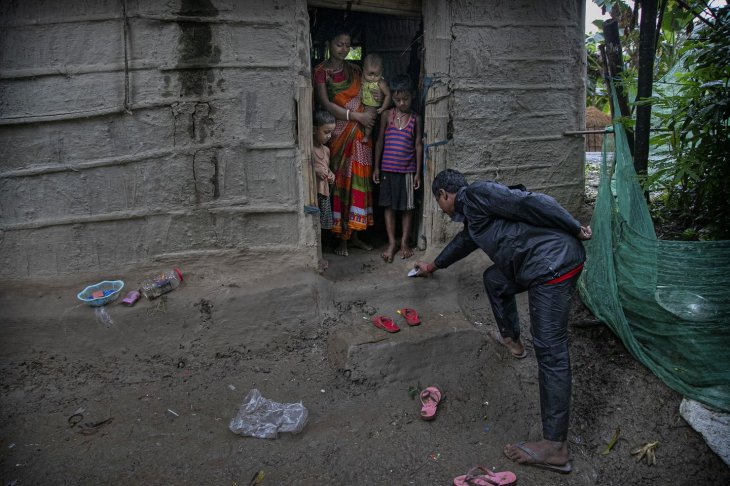
After 1.5 months of not being able to see his wife and three sons, Sarkar snuck into the village on a rainy night. From the street outside his house, he called his family and had only 15 minutes to be with them.
Sarkar expresses that he doesn’t want his sons to do this job. He wants them to go to school, be good people, and earn the respect of society.
On his way back from the village, he decided to rest at a temple. However, he was soon asked by the staff to leave.
Sarkar returned to the crematorium and said despite the possible risks, including the risk of infection, he would continue his job.
Featured Stories

Features - Mar 24, 2026
How to Use GeForce NOW to Play Video Games Without Actual Hardware

Features - Jan 29, 2026
Permanently Deleting Your Instagram Account: A Complete Step-by-Step Tutorial

Features - Jul 01, 2025
What Are The Fastest Passenger Vehicles Ever Created?

Features - Jun 25, 2025
Japan Hydrogen Breakthrough: Scientists Crack the Clean Energy Code with...

ICT News - Jun 25, 2025
AI Intimidation Tactics: CEOs Turn Flawed Technology Into Employee Fear Machine

Review - Jun 25, 2025
Windows 11 Problems: Is Microsoft's "Best" OS Actually Getting Worse?

Features - Jun 22, 2025
Telegram Founder Pavel Durov Plans to Split $14 Billion Fortune Among 106 Children

ICT News - Jun 22, 2025
Neuralink Telepathy Chip Enables Quadriplegic Rob Greiner to Control Games with...

Features - Jun 21, 2025
This Over $100 Bottle Has Nothing But Fresh Air Inside

Features - Jun 18, 2025
Comments
Sort by Newest | Popular