This Is Google's Sycamore Quantum Computer. Take A Look!
Dhir Acharya - Oct 28, 2019
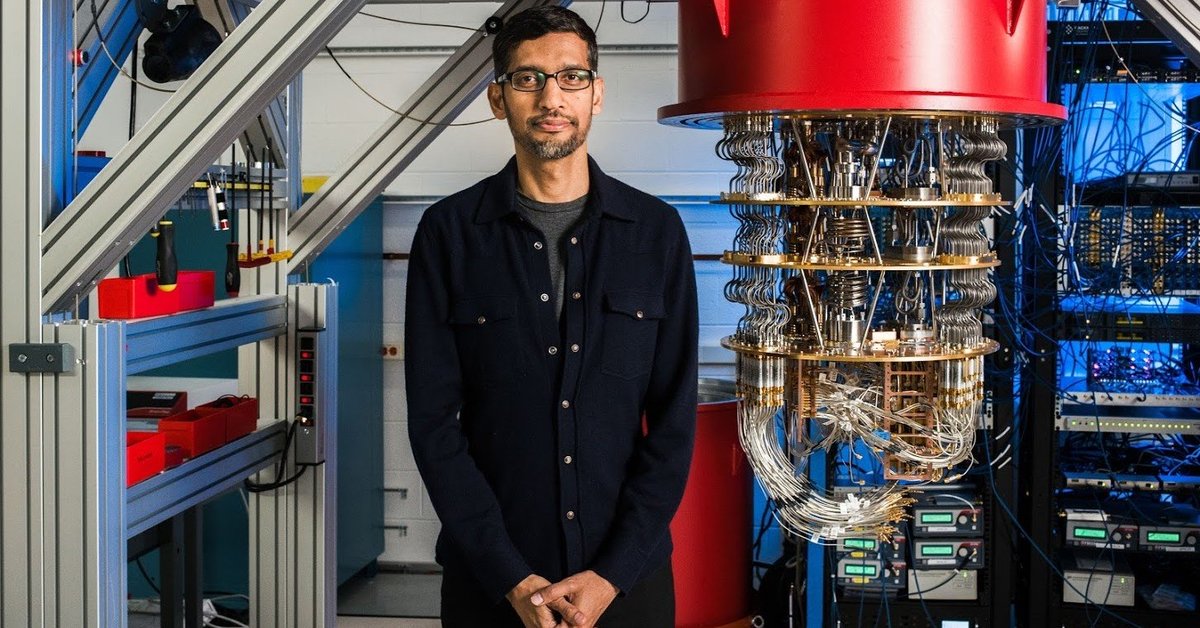
Google claims to have achieved quantum supremacy and here the machine that helped it, a quantum computer powered by Google's Sycamore chip.
- 13 Underrated Google Wallet Features Youre Probably Ignoring (And Theyre Not Credit Cards)
- Google Pixel Battery Scandal Illustrates Why Capacity Rules the Smartphone Market
- Google's Project Toscana: Elevating Pixel Face Unlock to Rival Apple's Face ID
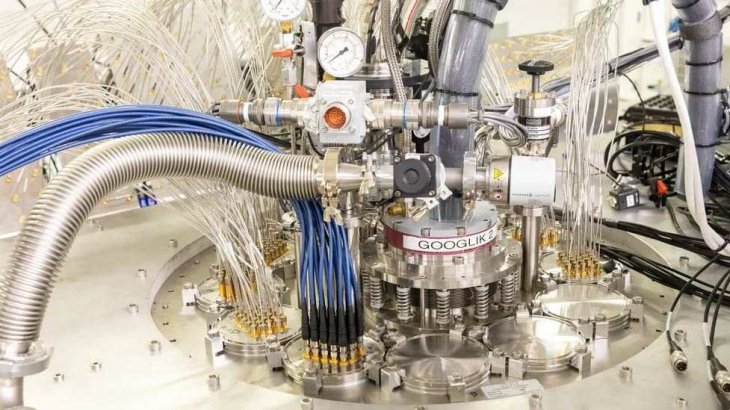
A Google quantum computer has many layers that descend from top to bottom, each of which is chilled to a lower temperature. The temperature of the bottom layer, which houses the qubit-housing quantum computing processors, is just a little above zero.
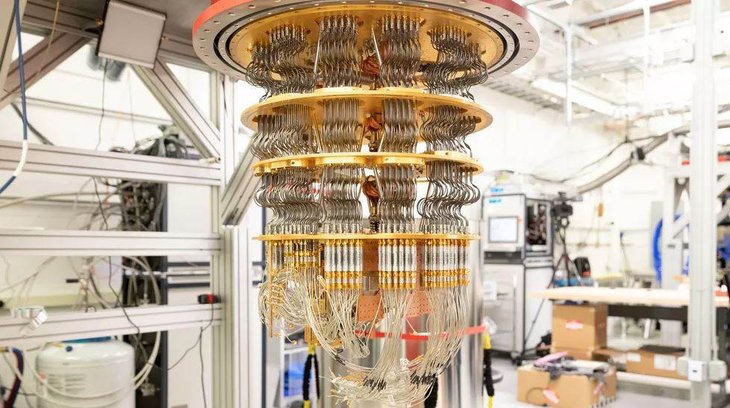
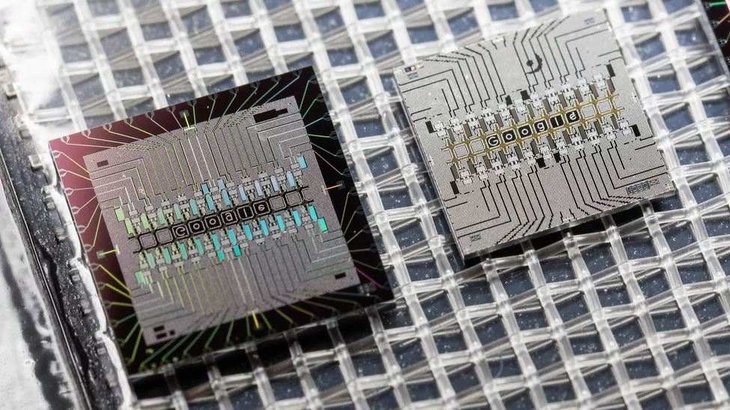
The Sycamore chip has dozens of small communication lines that link to the world. The processor features 54 qubits, a unit for processing and storing data in a quantum computer.
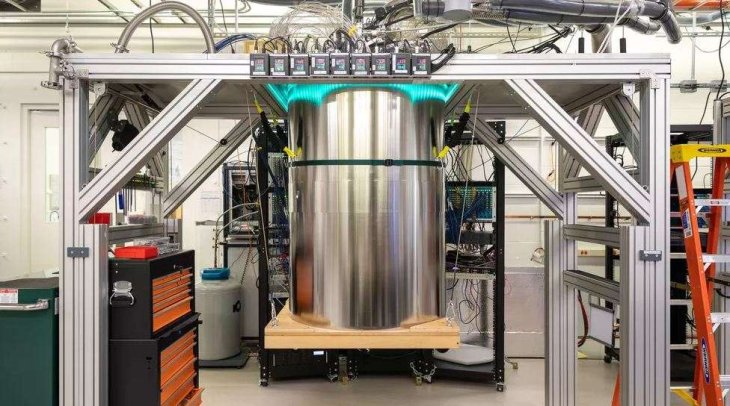
This is Google’s Sycamore quantum computer that ran an experiment used by the company to illustrate quantum supremacy. It used the large cylinder to maintain the low temperature for the computer so that the energy outside doesn’t perturb the qubits, which are extremely sensitive.
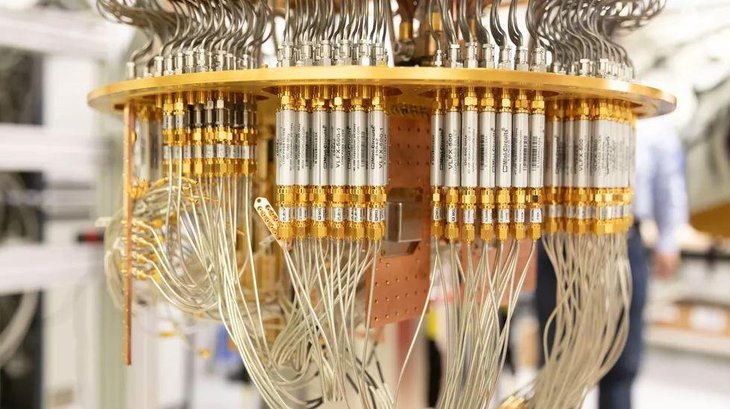
In the Sycamore quantum computer, there are 216 coaxial cable channels to communicate with the qubits. Some channels may be unplugged depending on what research is underway.
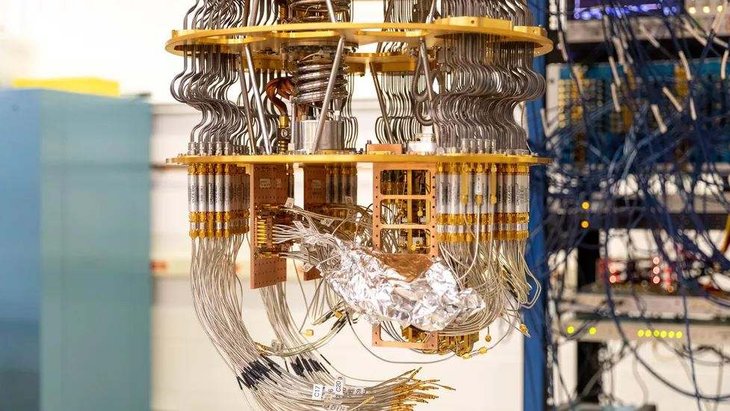
The control lines on the computer are responsible for illustration. The coaxial cables costs around $1,00 for every 60cm segment.
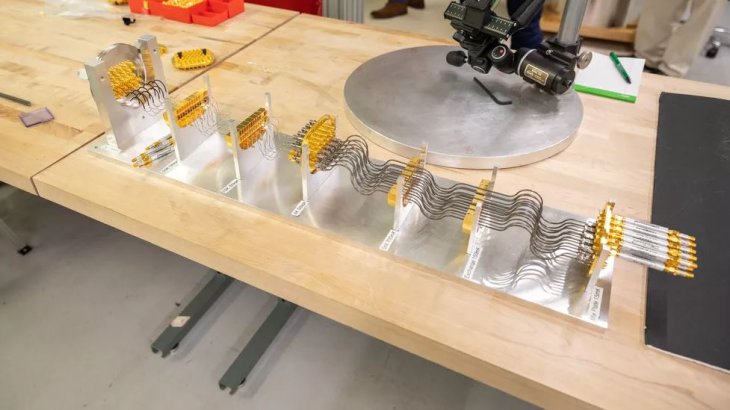
The Sycamore quantum computer is extremely complex. Electromagnetic signals are transmitted in the line to control computation as well as read data from the qubits processing the data.
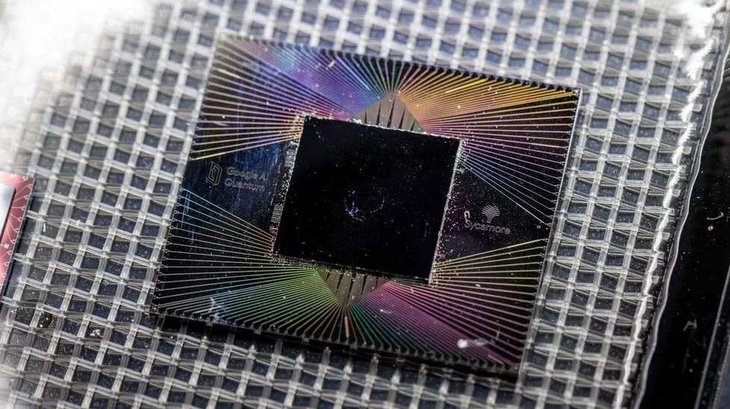
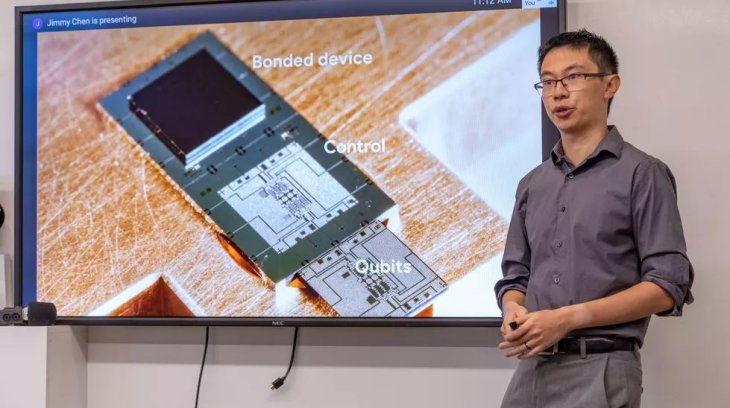
The Sycamore chip is built out of two parts that are bonded together. On the left, you’ll see the controller interface that communicates with the world outside; while on the right, you’ll see the processor element housing the qubits that process the data. At a closer look, you will see “Google” formed by tiny iridium dots at the center.
At the top of the computer are communication links along with equipment for pumping liquid helium through the machine to cool it down.
Most components of a quantum computer cannot be bought off the shelf, so the search giant designs and assembles things on its own, including the Sycamore processor. In this photo, researcher Jimmy Chen is showing how the 54-qubit chip and the other chip controlling them are bonded with each other.
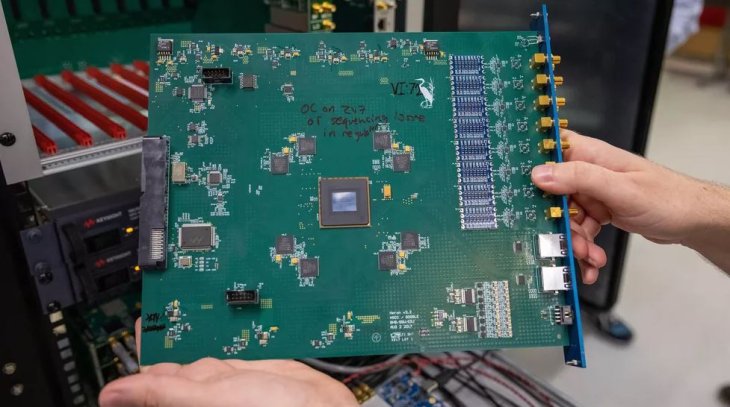
Google hopes to minimize the size of elements such as the communication control board that sends signals to qubits. The higher the number of qubits, the more necessary the miniaturization.
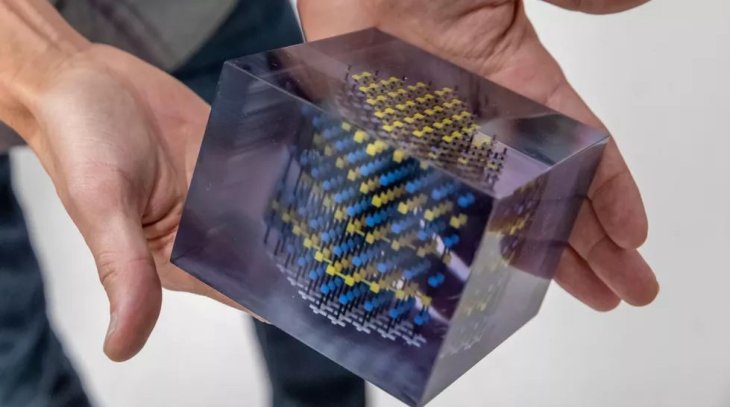
The Sycamore processor has 54 qubits in a 2D array. By running a program on the processor, we can change the qubits’ configuration. The sculpture in this photo indicates the qubits’ different states with various layers as time passes.
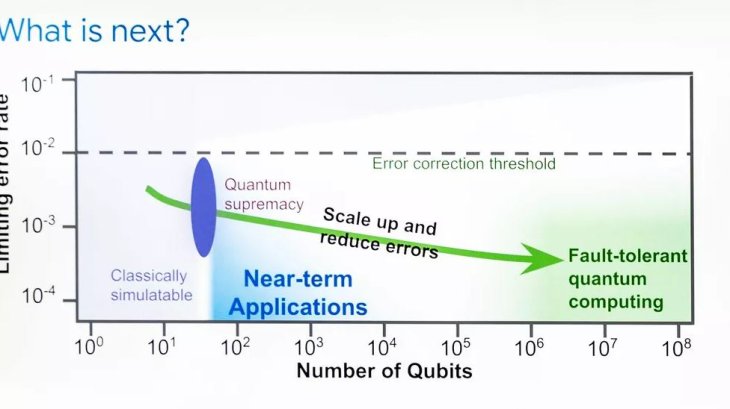
Google expects to significantly improve quantum computers by raising the number of qubits that process data and by decreasing errors.
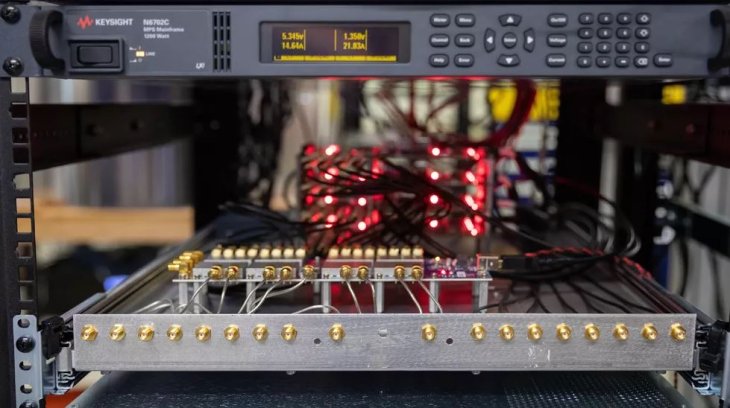
Google uses special hardware to read the qubits’ state at the end of a computing calculation.
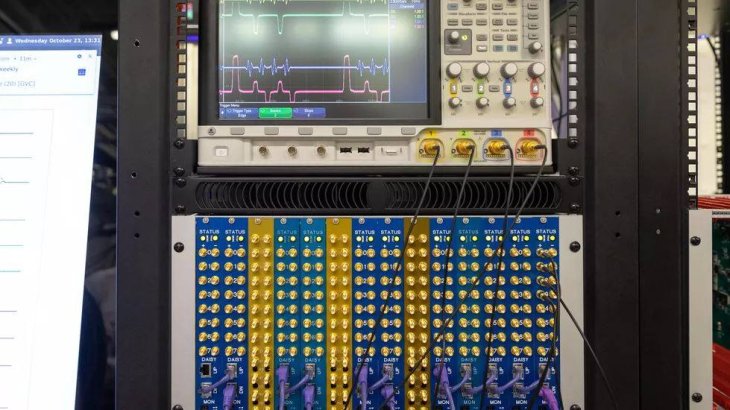
To communicate with the qubits in a quantum computer, we need to send tightly controlled electrical pulses, in the wires linking directly to the quantum computing chip.
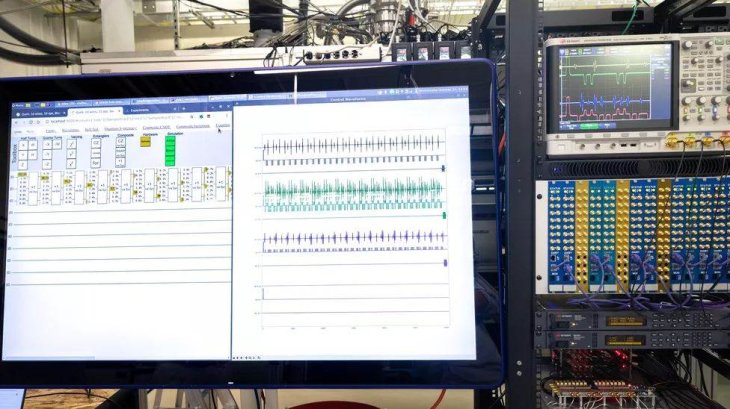
There is a screen demonstrating the actual instructions for data-processing sent to the quantum computer.
Featured Stories

Features - Mar 24, 2026
How to Use GeForce NOW to Play Video Games Without Actual Hardware

Features - Jan 29, 2026
Permanently Deleting Your Instagram Account: A Complete Step-by-Step Tutorial

Features - Jul 01, 2025
What Are The Fastest Passenger Vehicles Ever Created?

Features - Jun 25, 2025
Japan Hydrogen Breakthrough: Scientists Crack the Clean Energy Code with...

ICT News - Jun 25, 2025
AI Intimidation Tactics: CEOs Turn Flawed Technology Into Employee Fear Machine

Review - Jun 25, 2025
Windows 11 Problems: Is Microsoft's "Best" OS Actually Getting Worse?

Features - Jun 22, 2025
Telegram Founder Pavel Durov Plans to Split $14 Billion Fortune Among 106 Children

ICT News - Jun 22, 2025
Neuralink Telepathy Chip Enables Quadriplegic Rob Greiner to Control Games with...

Features - Jun 21, 2025
This Over $100 Bottle Has Nothing But Fresh Air Inside

Features - Jun 18, 2025
Comments
Sort by Newest | Popular