Cornell University Make A Robot That Can Eat And Grow
Aadhya Khatri - Apr 22, 2019
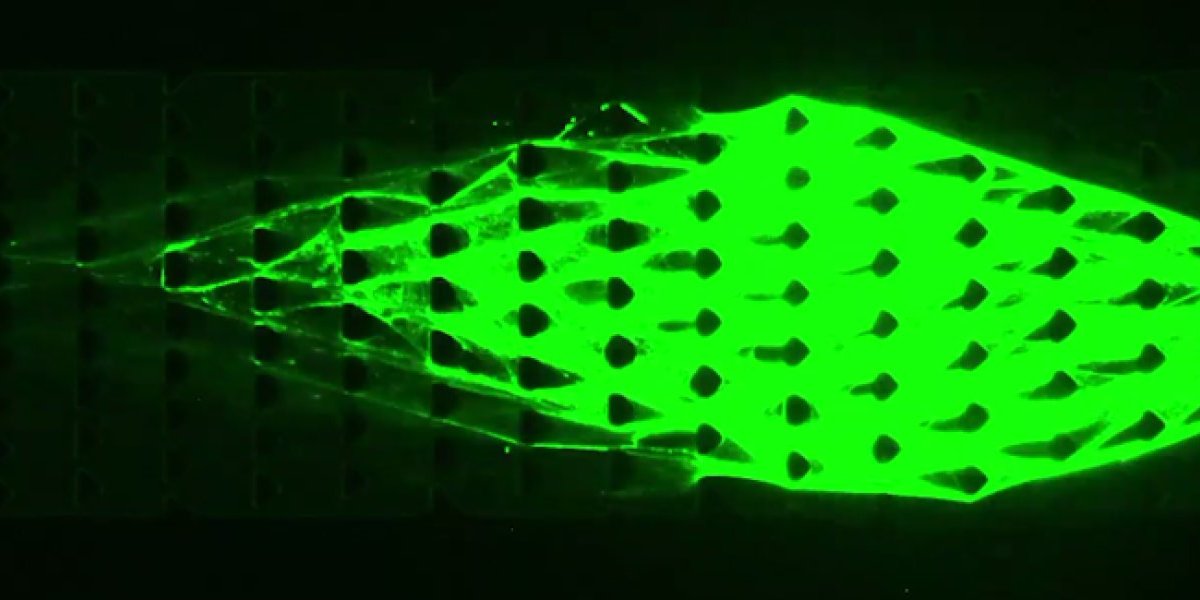
The robots are not made to be alive, they are designed to be closer to how a human being operates
- Cafe In Tokyo With Robot Waiters Controlled By Disabled Staff
- Best Robot Vacuums In India To Clean Carpets, Wood Floor And Pet Hair
- AI Is Being Trained To Identify Faces In The Dark Using Thermal Images
The robotics field is advancing fast thanks to sensor and machine learning technology. Whenever a new generation of robots is announced, we will have the chance to see a smarter model and a more complicated mechanism. What we are having in our mind now is a robot assembled from thousands of smaller pieces but what if each of us can grow our own?
Experts from Cornell University have come up with machines making up of DNA-like materials. They can move from one place to another, consume resources, generate energy, grow, evolve, and die.
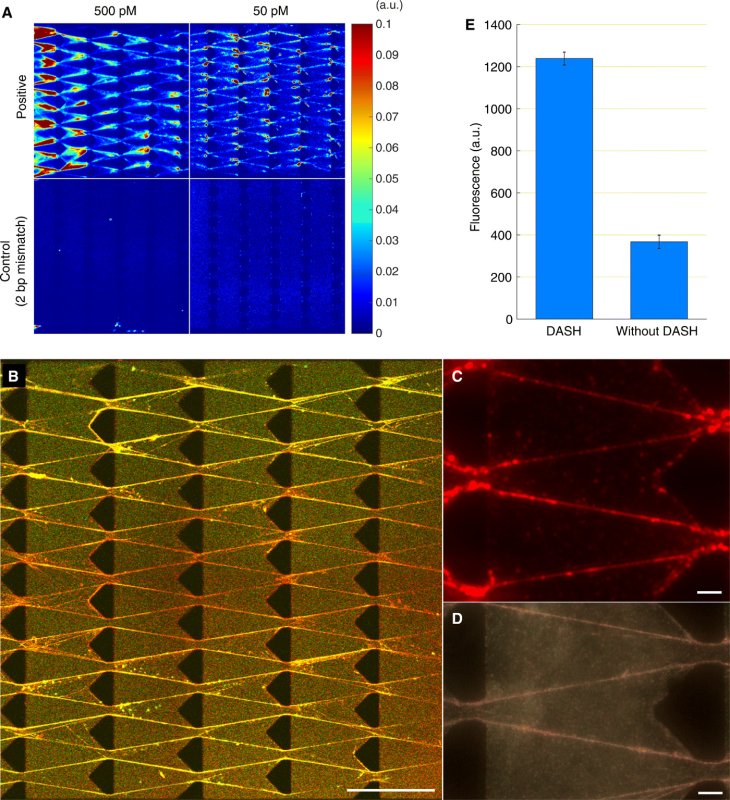
That many abilities might seem like the robots are getting more like a human being, but Dan Luo, a professor in the Department of Biological and Environmental Engineering at Cornell University, thought otherwise. He said that the robots ran on their manmade metabolism. They were not alive like us, but instead, they came closer to how we operate, in other words, they were more lifelike.
He then elaborated further what he meant by “lifelike.” The robots’ system would be as complicated as what we saw on mold. The team combined an irreversible biosynthesis with dissipative assembly processes. The structures can move like the way slime mold does as the ability was programmed with the material made up the robots.
With the new abilities, these structures promise a few new practical applications. Some of them are hybrid nanomaterials and pathogen detection. A manmade system that can evolve and sustain itself has been a wild ambition of scientists for a long time, but this new invention, that goal is finally feasible.
Boiling this achievement down to the most basic, what Cornell experts did was to make material from DNA, observe them when they consume, produce power, grow, and race. What they did was impressive but that it was just getting started. The team is working to make machines capable of reproducing.
We see the work at its infancy stage, but it can pave the way for a wealth of applications. A lifelike robot has been stirring debate for a while now and that discussion would get a lot more intensive.
Featured Stories

Features - Jan 29, 2026
Permanently Deleting Your Instagram Account: A Complete Step-by-Step Tutorial

Features - Jul 01, 2025
What Are The Fastest Passenger Vehicles Ever Created?

Features - Jun 25, 2025
Japan Hydrogen Breakthrough: Scientists Crack the Clean Energy Code with...

ICT News - Jun 25, 2025
AI Intimidation Tactics: CEOs Turn Flawed Technology Into Employee Fear Machine

Review - Jun 25, 2025
Windows 11 Problems: Is Microsoft's "Best" OS Actually Getting Worse?

Features - Jun 22, 2025
Telegram Founder Pavel Durov Plans to Split $14 Billion Fortune Among 106 Children

ICT News - Jun 22, 2025
Neuralink Telepathy Chip Enables Quadriplegic Rob Greiner to Control Games with...

Features - Jun 21, 2025
This Over $100 Bottle Has Nothing But Fresh Air Inside

Features - Jun 18, 2025
Best Mobile VPN Apps for Gaming 2025: Complete Guide

Features - Jun 18, 2025
A Math Formula Tells Us How Long Everything Will Live
Read more

Gadgets- Feb 25, 2026
Top 4 Budget Rechargeable Wireless Mice
These mice prove that you do not need to spend a fortune for quality and convenience. Whether you prioritize productivity or gaming, there is an option here to enhance your setup.

ICT News- Feb 26, 2026
AI Models Frequently Resort to Nuclear Escalation in Simulated Crises, Study Reveals
As AI technology advances, understanding these tendencies becomes crucial to prevent unintended escalations in the real world.

Gadgets- Feb 27, 2026
Top Budget-Friendly WiFi Routers for 2026
In today's connected world, a reliable WiFi router is essential for streaming, gaming, and working from home.
Comments
Sort by Newest | Popular