As You Walk, This Device Will Help Generate Electricity For Wearables
Harin - Nov 11, 2019
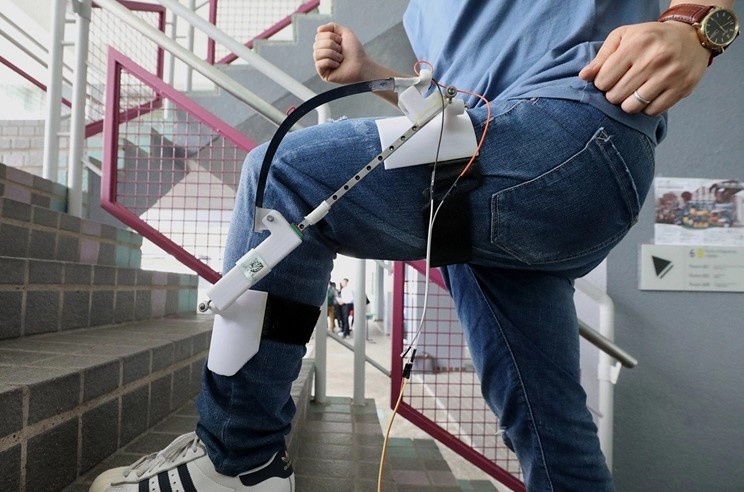
The researchers have created a “prototype harvester” that can produce electricity from the knee joint’s motion, enough to power your wearables.
You probably feel frustrated whenever your smart wearables run out of battery while you are using them. You may not have to worry about that anymore as researchers from the Chinese University’s Mechanical and Automation Engineering department have come up with a device that is capable of generating electricity when you walk.
What the researchers have created is a “prototype harvester” that can produce electricity from the knee joint’s motion. A 4 km/h walk can produce around 1.6 mW of electric power.
If you don’t know, 8,000 to 10,000 is the number of steps that an average person walks per day, which is enough to generate sufficient power for the charging of a smartwatch or a smart band. However, the researchers also state that the electricity that the device generates won’t be enough for a smartphone.
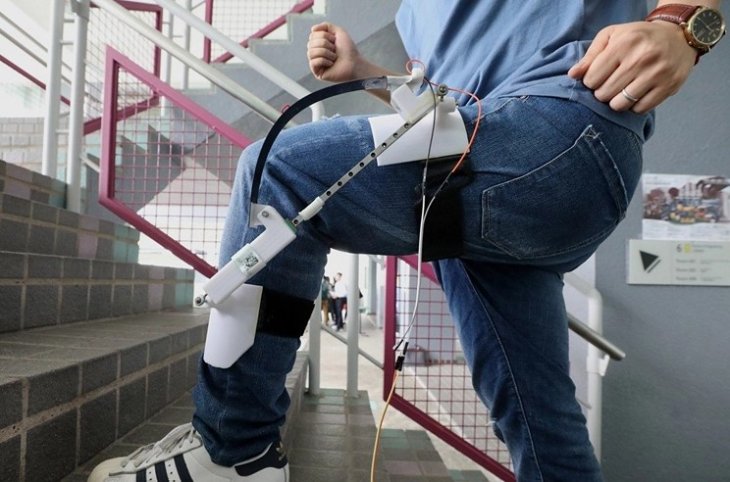
Professor Liao Wei-Hsin said that in contrast with bulky harvesters or bicycles that use human motion to generate electricity, their device is only 307 grams in weight, which is around the weight of a bottle of water.
The researchers also mention how manufacturers have approached the team to ask about equipping their line of sportswear with the device. Liao added that the team wanted to improve the device further so that it would be able to generate as well as storing more energy while looking smaller.
For pricing, the price of the device would be around HKD $700, which is about Rs. 6,000.
The team also plans on putting the device in the medical field, for example, the doctors could implant the harvester inside the body of a patient to provide a cardiac pacemaker with enough energy. But to do that, they would need to do more research.
If you are wondering, a pacemaker is designed to help control abnormal heartbeats. At the moment, pacemakers use a battery that requires replacements done through surgery after five to ten years of use.
Featured Stories

Gadgets - Sep 30, 2026
ATK Dragonfly A9 Ultimate+ Gets a Magnetic Charging Dock

Gadgets - Jul 05, 2026
OneOdio Studio Max 2 Review: Built Like A DJ Headphone, Best Used At A Desk

Gadgets - Jul 01, 2026
Top 5 Most Expensive Headphones in 2026

Gadgets - Mar 08, 2026
Best Budget Keyboards of 2026

Gadgets - Feb 27, 2026
Top Budget-Friendly WiFi Routers for 2026

Gadgets - Feb 25, 2026
Top 4 Budget Rechargeable Wireless Mice

Gadgets - Feb 24, 2026
3 Budget Monitors That Reduce Eye Strain and Improve Productivity

Gadgets - Jul 21, 2025
COLORFUL Launches iGame Shadow II DDR5 Memory for AMD Ryzen 9000 Series

Gadgets - Jun 23, 2025
COLORFUL SMART 900 AI Mini PC: Compact Power for Content Creation

Review - Jun 18, 2025
Comments
Sort by Newest | Popular