We Can Make Electricity From These Bionic Mushrooms
Author - Nov 10, 2018
Since electricity prices are rising fast, how useful it would be to generate your own electricity on mushrooms.
- IIT Mandi Researchers Develop Road That Can Generate Electricity By Walking
- Our Future Smartphones Can Be Charged With Electricity Produced Out Of Thin Air
- This New Method Can Generate Enough Energy To Power 100 LED Lights From One Drop Of Rain
Over the years, there has been such a significant rise in electricity prices that we now spend a bunch of money on running our TV, air conditioner or microwave. Yet, what would happen if you could produce electricity on your own?
Good news for us, the Stevens Institute of Technology managed to do that. They have created “bionic mushrooms” that can produce electricity by themselves.
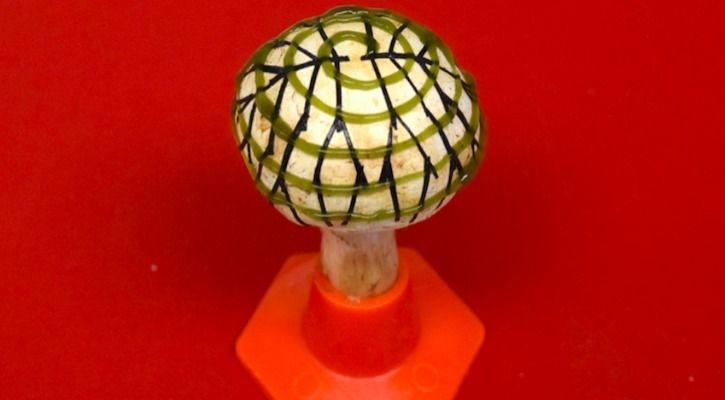
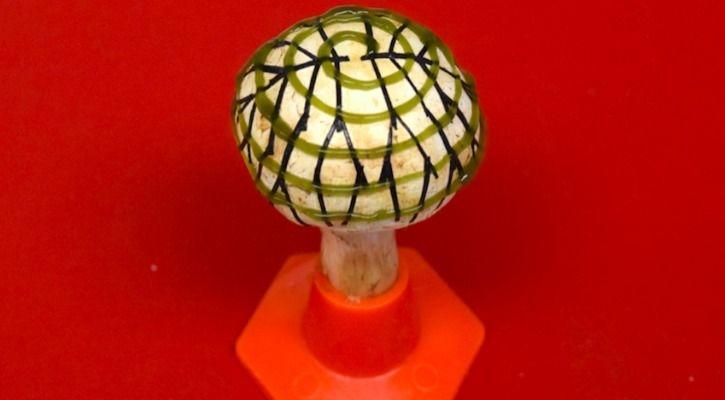
In particular, on the white button mushroom surface, the researchers used a robotic arm to 3D-print cyanobacteria clusters which can generate electricity. Next, they used electronic ink, consisting of graphene nanoribbon swirls which can collect the current, to print the mushrooms.
Manu Mannoor, an assistant professor of mechanical engineering at the institute, said that thanks to the integration of electricity-generating cyanobacteria and nanometer-sized materials that can collect the current, we can now take advantage of the unique characteristics of both materials, raise them, and make a totally new functional bionic system.
In this process, the mushrooms act as the environment for the cyanobacteria, aka electricity generators, to live and grow. The mushrooms have the perfect moisture, suitable temperature, balance, and nutrients to help the cyanobacteria work for a long time.
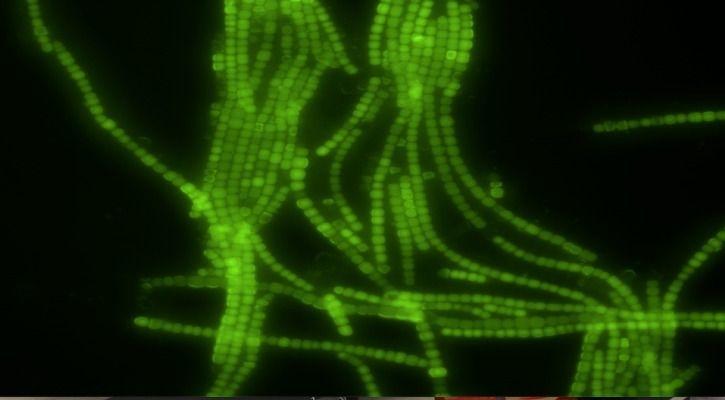
Their tests actually indicate that the bacteria live much longer when they are on the mushrooms than on a silicon surface or a dead mushroom. When the mushrooms were put under light, the bacteria produced electricity, and the electrons were moved to the graphene ribbons at whichever point the spirals met, giving a photocurrent.
Mannor stated that through this research, we can expect huge opportunities for a new generation of bio-hybrid applications. He continued by saying while some bacteria can glow, others can produce fuel or sense toxins. Now that we can integrate these microbes with nanomaterials, it is possible we will create more wonderful bio-hybrid designs for defense, environment, health care, and other fields.
Featured Stories

Features - Mar 24, 2026
How to Use GeForce NOW to Play Video Games Without Actual Hardware

Features - Jan 29, 2026
Permanently Deleting Your Instagram Account: A Complete Step-by-Step Tutorial

Features - Jul 01, 2025
What Are The Fastest Passenger Vehicles Ever Created?

Features - Jun 25, 2025
Japan Hydrogen Breakthrough: Scientists Crack the Clean Energy Code with...

ICT News - Jun 25, 2025
AI Intimidation Tactics: CEOs Turn Flawed Technology Into Employee Fear Machine

Review - Jun 25, 2025
Windows 11 Problems: Is Microsoft's "Best" OS Actually Getting Worse?

Features - Jun 22, 2025
Telegram Founder Pavel Durov Plans to Split $14 Billion Fortune Among 106 Children

ICT News - Jun 22, 2025
Neuralink Telepathy Chip Enables Quadriplegic Rob Greiner to Control Games with...

Features - Jun 21, 2025
This Over $100 Bottle Has Nothing But Fresh Air Inside

Features - Jun 18, 2025
Comments
Sort by Newest | Popular