This Indian Tech Firm Is Building The World First Electric Engine For Space Flight
Dhir Acharya - Dec 19, 2018
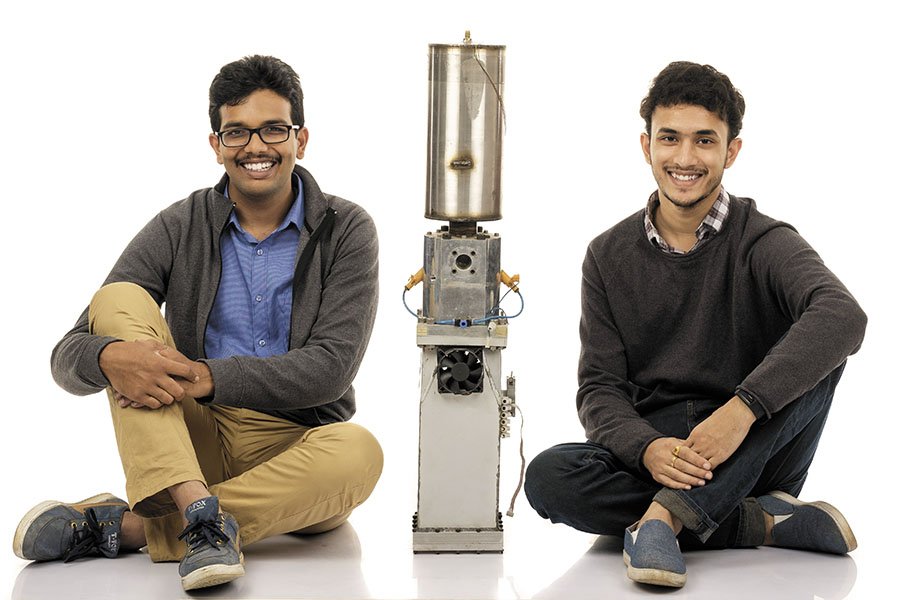
This new electric engine will help satellite last longer in space and cost much less.
- Delhi Is The World’s Most Polluted Capital City For Three Years In A Row
- Indian Farmers Install High-Tech, Night-Vision CCTV Cameras To Protect Themselves
- Looking For The Best Electric Bike In India 2021? Take A Look At These
We, humans, have sent so many satellites into space that launching a rocket has become an annual routine in the last 60 years.
Unfortunately, each launch costs a fortune due to the massive amount of fuel used to fly a rocket. But now, an Indian company has come up with a solution.
Bellatrix Aerospace is a company that has developed a propulsion system for satellites powered by electricity, the company is located in Bengaluru, India. The company is researching to make the world’s most efficient engine that does not use combustible fuel. Bellatrix is going to make use of water.
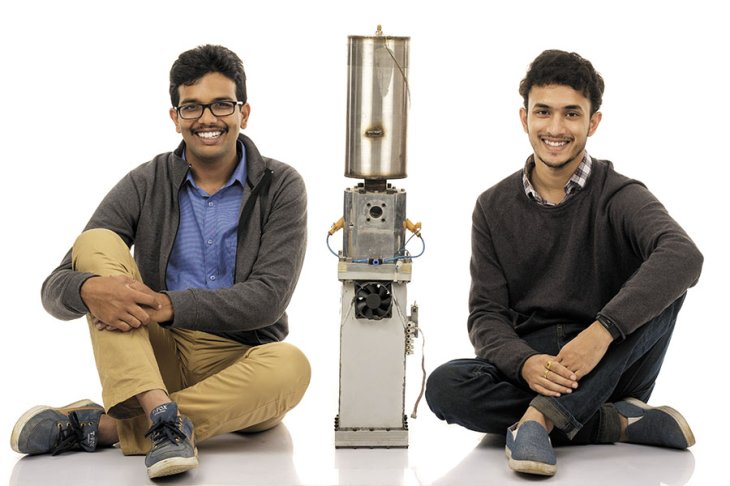
Yashas Karanam and Rohan M Ganapathy, co-founders of Bellatrix
Bellatrix co-founders, Yashas Karanam and Rohan M Ganapathy, clarified the operation of this system. Ganapathy, vehicles on Earth have moved to use electricity and now so do those in space.
According to Ganapathy, the two established Bellatrix because they wanted to innovate propulsion technologies, they want to go further than just reaching the atmosphere. For satellites to travel farther and for a longer time, it is necessary that we create the most efficient engine ever.
The engine developed by Bellatrix transform water into a plasma state using high voltages. Next, when the water is ejected at high velocities, it is able to push the satellite hard enough to keep the satellite in its correct orbit. Currently, the team is still working on this engine, and in the research and development phase, they have already produced enclosed chambers that simulate the outer space.
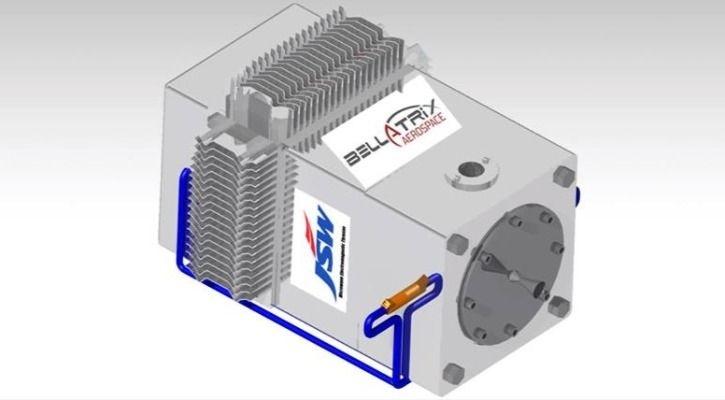
Bellatrix co-founder said that their engine has a lot of advantages that make it outperform all current chemical combustion engines. Their engine uses eight times less fuel, safer since it uses water, and much cheaper to produce. More importantly, using water plasma means less mass, hence we can send heavier payload as well as store more fuel on board.
This electric propulsion engine is not strong enough to push a satellite into space, but they can do an outstanding job pushing them to fly on their orbit. As per Ganapathy estimation, their engine can help a satellite with two-year lifespan last over 10 years, five times as long.
The company has already designed two rockets featuring these engines. The first one is reusable Garuda with two stages, the second one is Chetak which does not carry satellites.
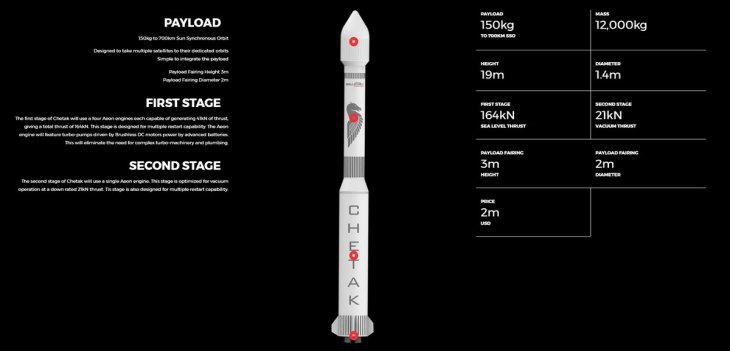
Chetak Rocket
The two founders say that with their engine, traveling in space can become so cheap that we can stay on the Moon long enough to exploit natural resources there. In that case, we can also refill the rocket with water taken from the Moon.
Bellatrix team also think that their engine can help clean the space. In the future, space agencies can use their engine to deploy space tugs to get rid of expired satellites floating around our home planet.
Ganapathy said the engine hints a mass transport system, like Uber in space.
Featured Stories

Features - Mar 24, 2026
How to Use GeForce NOW to Play Video Games Without Actual Hardware

Features - Jan 29, 2026
Permanently Deleting Your Instagram Account: A Complete Step-by-Step Tutorial

Features - Jul 01, 2025
What Are The Fastest Passenger Vehicles Ever Created?

Features - Jun 25, 2025
Japan Hydrogen Breakthrough: Scientists Crack the Clean Energy Code with...

ICT News - Jun 25, 2025
AI Intimidation Tactics: CEOs Turn Flawed Technology Into Employee Fear Machine

Review - Jun 25, 2025
Windows 11 Problems: Is Microsoft's "Best" OS Actually Getting Worse?

Features - Jun 22, 2025
Telegram Founder Pavel Durov Plans to Split $14 Billion Fortune Among 106 Children

ICT News - Jun 22, 2025
Neuralink Telepathy Chip Enables Quadriplegic Rob Greiner to Control Games with...

Features - Jun 21, 2025
This Over $100 Bottle Has Nothing But Fresh Air Inside

Features - Jun 18, 2025
Comments
Sort by Newest | Popular