New AI Tool Can Tell Which CO.VID-19 Patient Will Develop Severe Lung Disease
Dhir Acharya - Apr 02, 2020

Researchers in China and the US said that they have developed an AI tool that can predict which new CO.VID-19 patient will develop severe lung disease.
- Palantir CTO Identifies Iran Conflict as First Large-Scale AI-Driven War
- AI's Role in Warfare: US Strikes on Iran Unveiled
- Elon Musk's Bold Chip Venture: Tesla's Massive Fab Initiative Sparks AI Hardware Competition
On Monday, researchers in China and the US said that they have developed an AI tool that can predict which new CO.VID-19 patient will develop severe lung disease.
When the algorithm is deployed, it will help doctors with choosing patients to prioritize care in healthcare systems with limited resources, according to the study’s co-author, physician and professor Megan Coffee from the Grossman School of Medicine of New York University.
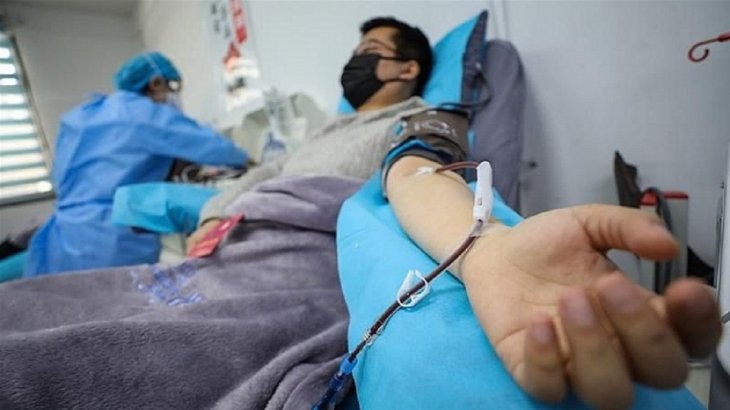
The tool was able to discover various surprising indicators that would suggest who likely went on to develop ARDS (acute respiratory disease syndrome), which is basically CO.VID-19 that fills the patient’s lungs with fluid, killing about 50% of patients infected with the disease.
A machine-learning algorithm was applied to the data of 53 CO.VID-19 patients at two hospitals in China. From this, the research team found that the changes in three indicators including hemoglobin levels, reported body aches, and levels of liver enzyme ALT (alanine aminotransferase), help make the best prediction about the disease.
With this information and other factors, the tool could predict a patient’s risk of ARDS with as high as 80% accuracy.

On the other hand, characteristics considered CO.VID-19 hallmarks, such as ground-glass opacity in the lungs, fever, as well as strong immune response, did not help much in predicting which patient would get ARDS. Sex and age were not helpful either though studies found that men 60 years and older are at a higher risk.
Coffee also pointed out an interesting fact that the data points used by the machine and clinicians are different.
This is not the first time AI has kicked in to help doctors, for example, there is already an AI tool that can predict which patient will get skin cancer.
However, what makes this case special is that doctors and researchers are learning about CO.VID-19 on the fly, and the tool can help them head the right way. Hence, they will make better decisions with critical patients.
>>> How CO.VID-19 Infection Could Lead To Loss Of Smell
Featured Stories

Features - Mar 24, 2026
How to Use GeForce NOW to Play Video Games Without Actual Hardware

Features - Jan 29, 2026
Permanently Deleting Your Instagram Account: A Complete Step-by-Step Tutorial

Features - Jul 01, 2025
What Are The Fastest Passenger Vehicles Ever Created?

Features - Jun 25, 2025
Japan Hydrogen Breakthrough: Scientists Crack the Clean Energy Code with...

ICT News - Jun 25, 2025
AI Intimidation Tactics: CEOs Turn Flawed Technology Into Employee Fear Machine

Review - Jun 25, 2025
Windows 11 Problems: Is Microsoft's "Best" OS Actually Getting Worse?

Features - Jun 22, 2025
Telegram Founder Pavel Durov Plans to Split $14 Billion Fortune Among 106 Children

ICT News - Jun 22, 2025
Neuralink Telepathy Chip Enables Quadriplegic Rob Greiner to Control Games with...

Features - Jun 21, 2025
This Over $100 Bottle Has Nothing But Fresh Air Inside

Features - Jun 18, 2025
Comments
Sort by Newest | Popular