Samsung Wants To Make A Secondary Display Covering The Selfie Camera To Achieve True All-Screen Smartphones
Dhir Acharya - Jan 04, 2021
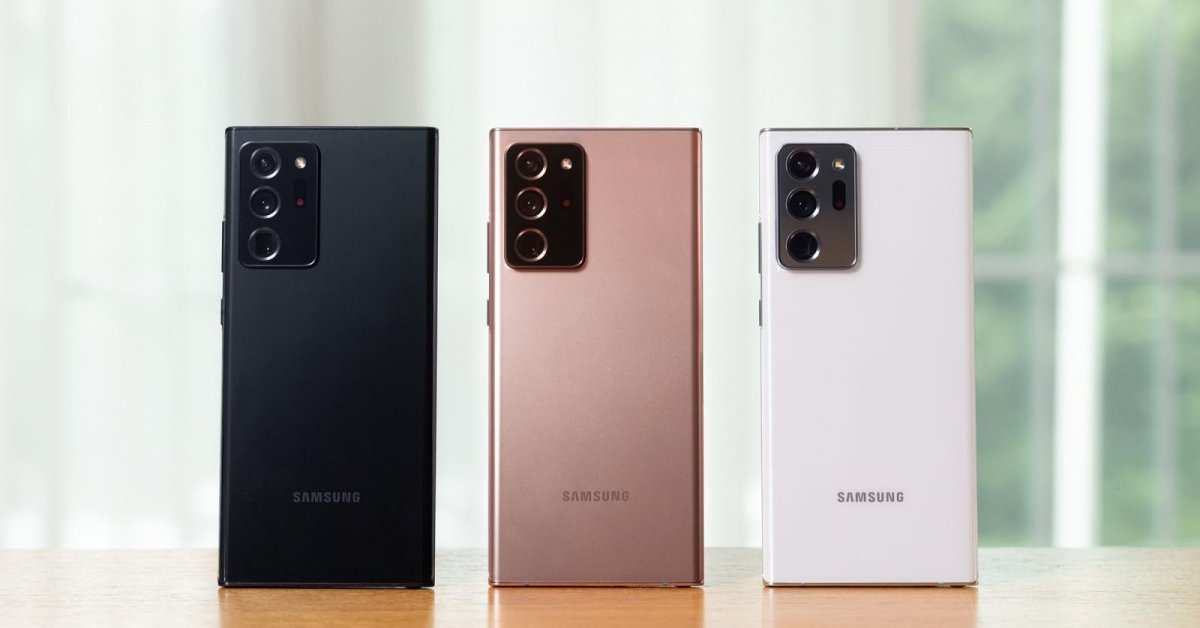
Rather than an algorithm to fix videos and photos captured with the under-display camera, Samsung wants a slide-up OLED panel to cover it when not in use.
- Galaxy S27 Ultra Could Restore the Screen Quality Buyers Missed on the S26 Ultra
- Top Camera Phones Under ₹35,000: 2026 Edition Picks
- Samsung Galaxy S26 vs OnePlus 15T: Which Compact Flagship Wins in 2026?
Smartphones these days come in a few similar designs. They all have a large, glass-protected display, featuring tiny bezels. While an iPhone comes with a cutout bezel that houses its Face ID hardware, an Android handset may have a hole at the top providing room for one or two front-facing lenses. However, none of them is perfect as the ideal design for phone makers is the one with no holes or notches.
There have been several approaches to achieve this goal, including an under-display camera that’s placed beneath the screen. And now Samsung is working on an initiative of its own.
Instead of comping up with an algorithm to fix videos and photos captured with the under-display camera, the Korean phone maker has created a slide-up OLED panel to cover the front-facing camera when it’s not in use. This concept is illustrated in the latest patent of the company, which shows how the secondary screen would work.
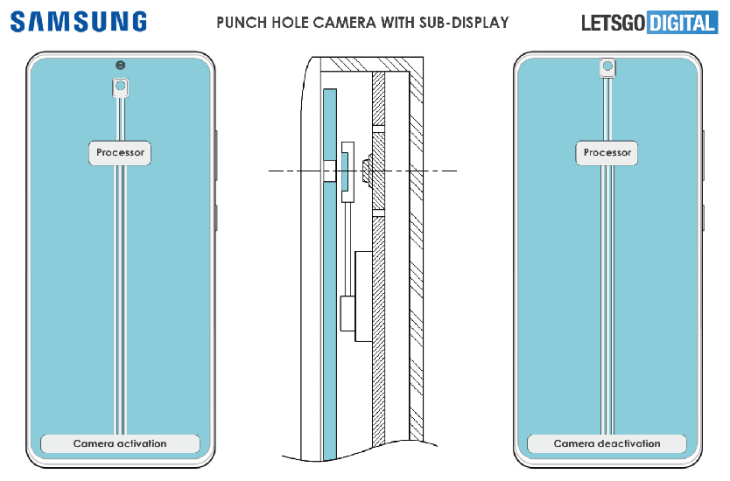
Samsung’s concept is similar to the pop-up camera mechanism that has been around for years. This time, however, the moving part is the screen, not the camera. When users need the camera, the secondary display will be lowered. Otherwise, it can be raised to cover the lens. This also means you cannot use the selfie camera when the display is raised but the contraption would let light travel freely to the camera.
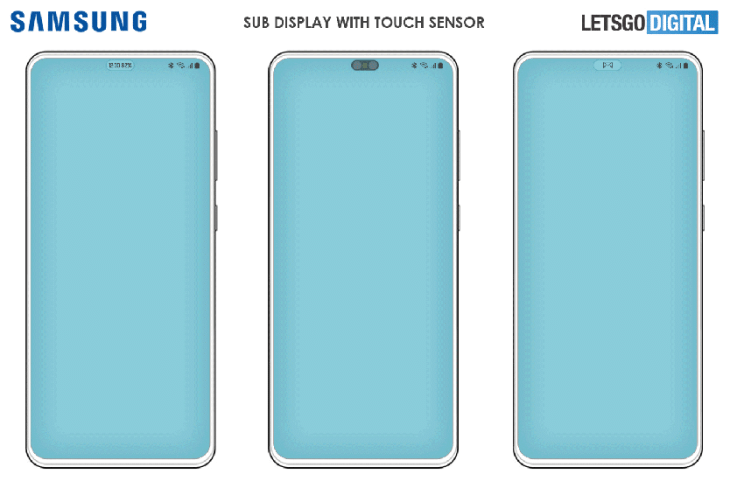
The patent also illustrates that the small display can move automatically once the camera is triggered or controlled with the side-button. Users can also interact with the secondary display through the touchscreen to initiate movement manually. The secondary display will show information like battery status, time, or notifications.
Lastly, the patent showcases that the S Pen stylus can be used on the secondary display.
As interesting as it may seem, there are always some challenges when it comes to new concepts and initiatives. In this case, the concern is with durability. Not only the mechanism is prone to damage from moving up and down thousands of times, but dust and debris can also accumulate on it through an opening. In the coming time, we hope to see how Samsung will make sure this will not happen as well as other innovative ideas to achieve a truly all-screen smartphone.
Featured Stories

Mobile - Oct 12, 2026
Apple iPhone 20th anniversary edition: Everything we know so far

Mobile - Oct 09, 2026
Are Heat Mitigation Cases for Phones Effective?
Mobile - Oct 07, 2026
Galaxy S27 Ultra Could Restore the Screen Quality Buyers Missed on the S26 Ultra

Mobile - Sep 23, 2026
Motorola Signature 27 Debuts With 200MP Zoom and Extreme Snapdragon Power

Mobile - Sep 18, 2026
The $1,999 iPhone Duo Still Carries Foldables' Oldest Flaw
Mobile - Sep 17, 2026
The iPhone 18 Pro Camera Upgrade Is The Biggest Change In Years

Mobile - Jun 11, 2026
Top Camera Phones Under ₹35,000: 2026 Edition Picks
Mobile - Jun 06, 2026
iOS 27 Promises Major Battery Gains for iPhones

Mobile - Jun 01, 2026
Honor Defies Expectations with a 10,000mAh Gaming Phone Just 7.98mm Thick

Mobile - May 30, 2026
Comments
Sort by Newest | Popular