This Fully Electric Drone Will Soon Offer 5G From 20 Km High
Dhir Acharya - Mar 09, 2019
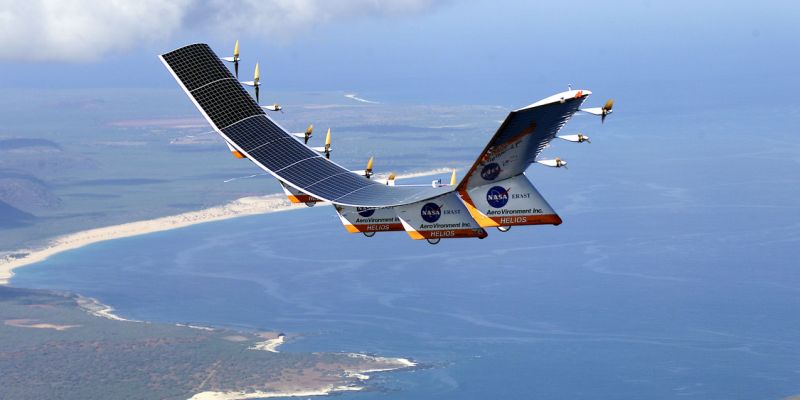
US-based aerospace firm AeroVironment and Japanese tech company SoftBank had joined hands in a secret project. Now, the Hawk 30 is released.
- Hundreds Of Drones Crashed Into Building During Performance
- IIT Kharagpur Develops Drones To Bring 5G To Zero Network Area
- Researchers Make Lighter & Biodegradable Drones With Pineapple Leaves
From last month, we have already seen the first devices that empower 5G networks released to the market. However, there haven’t been any 5G providers yet and 4G is still the best thing we’ve got so far.
But that may change as a group is looking to supply 5G internet and probably they won’t need pesky infrastructure.
Previously, US-based aerospace firm AeroVironment and Japanese tech company SoftBank had joined hands in a secret project. Now, the project’s result is released, the Hawk 30.
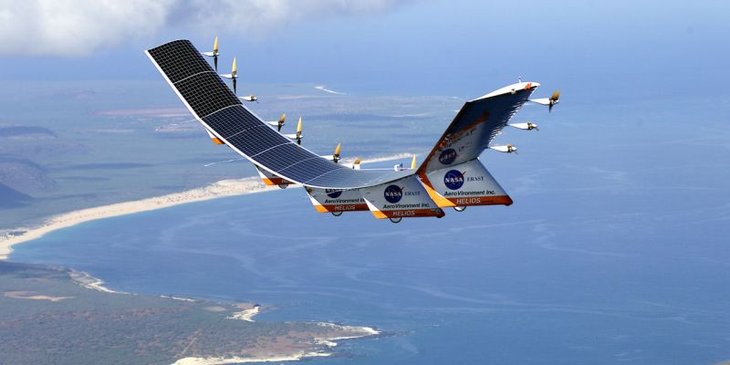
The Hawk 30
This is an experimental prototype of a UAV (short for unmanned aerial vehicle). Hawk 30 is a drone that operates with 100 percent solar power. The pair have designed this prototype so that it can glide up high in mid-air and beam down the 5G Internet to smartphones and other devices on the ground. There are ten electric engines on the drone which can carry the entire structure to as high as 20 kilometers from the ground where it can function.
In November 2018, SoftBank and AeroVironment signed an agreement with NASA that allows the prototype to take off next week from Armstrong Flight Research Center based in California. In the next three months, the pair can conduct test flights up to around 3 kilometers height.
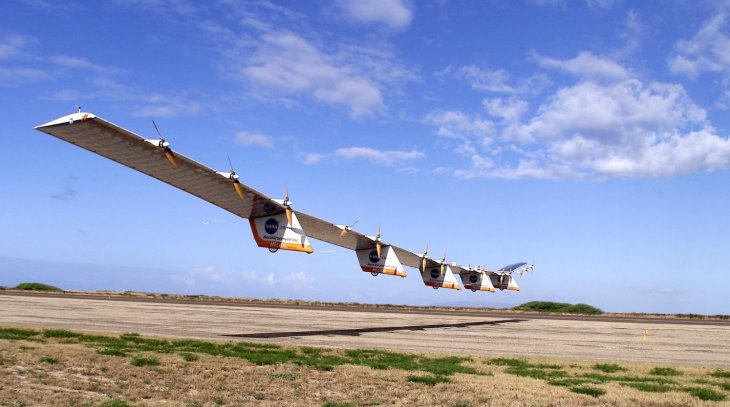
If the Hawk 30 passes its flight tests, it’s likely that the machine will bring 5G to the areas where it’s difficult to lay cables.
Meanwhile, Boeing is also developing its own drone dubbed Odysseus and Airbus is working on Zephyr.
AeroVironment has long been a player in the field of lightweight, high altitude aircraft. Starting in 1997, the Japanese firm built three drones that operate on solar power and cells under the Environment Research Aircraft and Sensor Technology program of NASA. Since then the company built a few other drone prototypes for NASA, but all of them ended up closed-projects due to crashes during test flights. So hopefully, this time, the Hawk 30 can turn the things around for AeroVironment.
Featured Stories

Features - Mar 24, 2026
How to Use GeForce NOW to Play Video Games Without Actual Hardware

Features - Jan 29, 2026
Permanently Deleting Your Instagram Account: A Complete Step-by-Step Tutorial

Features - Jul 01, 2025
What Are The Fastest Passenger Vehicles Ever Created?

Features - Jun 25, 2025
Japan Hydrogen Breakthrough: Scientists Crack the Clean Energy Code with...

ICT News - Jun 25, 2025
AI Intimidation Tactics: CEOs Turn Flawed Technology Into Employee Fear Machine

Review - Jun 25, 2025
Windows 11 Problems: Is Microsoft's "Best" OS Actually Getting Worse?

Features - Jun 22, 2025
Telegram Founder Pavel Durov Plans to Split $14 Billion Fortune Among 106 Children

ICT News - Jun 22, 2025
Neuralink Telepathy Chip Enables Quadriplegic Rob Greiner to Control Games with...

Features - Jun 21, 2025
This Over $100 Bottle Has Nothing But Fresh Air Inside

Features - Jun 18, 2025
Best Mobile VPN Apps for Gaming 2025: Complete Guide
Read more
Mobile- Apr 14, 2026
Samsung Ocean Mode: Does It Make Your Galaxy Phone Waterproof?
Always use proper protective housing when taking your phone underwater and follow Samsung’s guidelines to keep your device safe.

ICT News- Apr 13, 2026
DDR4 RAM Prices Finally Fall After Soaring More Than 2,200 Percent
But don't get too excited yet...
Comments
Sort by Newest | Popular