This Four-Wing Flying Robot Are Smaller Than A Penny
Indira Datta - May 28, 2019
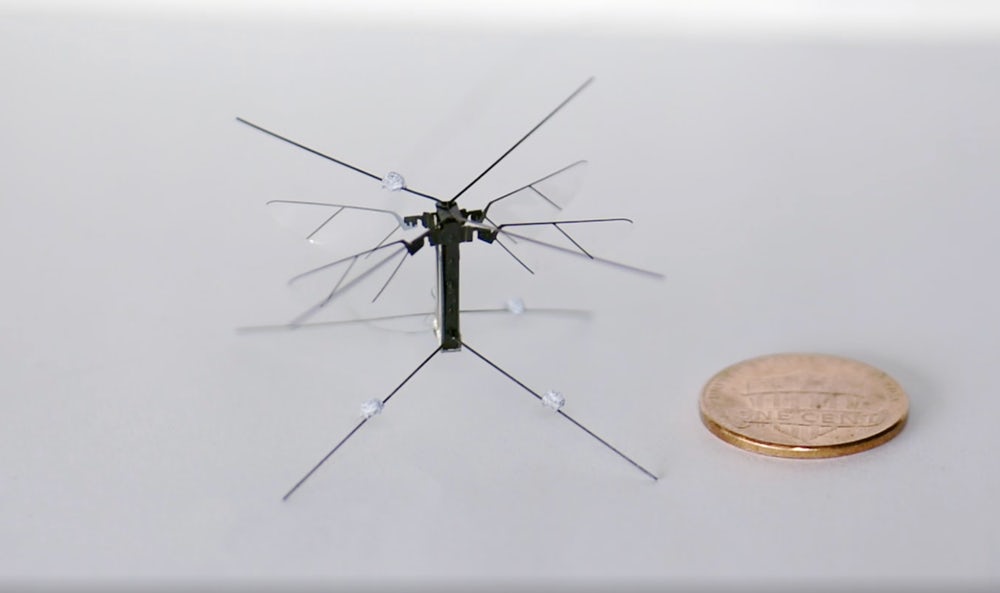
Bee+ is a flying robot with four wings and its footprint is as small as a penny. However, it still needs to be connected to a power source
- Cafe In Tokyo With Robot Waiters Controlled By Disabled Staff
- Hundreds Of Drones Crashed Into Building During Performance
- Best Robot Vacuums In India To Clean Carpets, Wood Floor And Pet Hair
In the near future, humans may not be able to distinguish the flying insects around us being animals or robots. Typically, Bee+ is a flying robot with four wings, has a footprint smaller than a coin, and weighs 95 grams. It was developed by a team of engineers from the University of Southern California in Los Angeles.
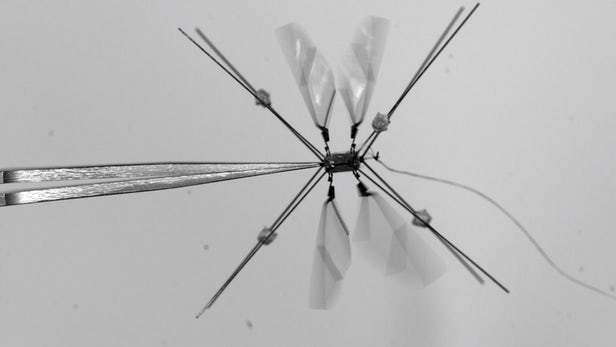
This is not the first insect-like flying robot invention. In 2013, RoboBee was built by researchers at Harvard University. It's even lighter and smaller than Bee+ when it only has about 75 grams.
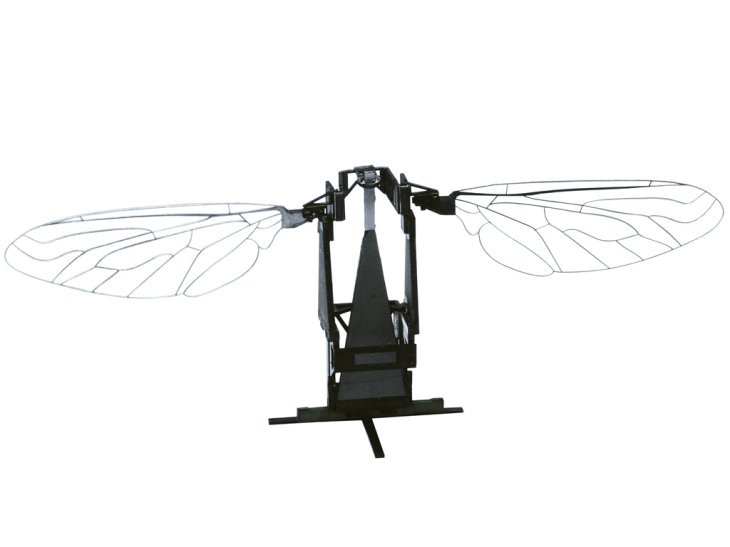
What makes RoboBee difficult to control and erratic is its two wings. Therefore, the research team from University of Southern California equipped the Bee+ with 4 wings in order to easily control its direction and height during flight.
The four-wing design for the Bee+ makes them easier to control but more difficult to regulate weight. The more wings there are, the more actuators. This makes the robot's weight heavier and harder to fly. Therefore, researchers have come up with a completely new design. They use a strip of piezoelectric material that shrinks and expands when current flows through. This helps reduce the weight of four actuators by half.
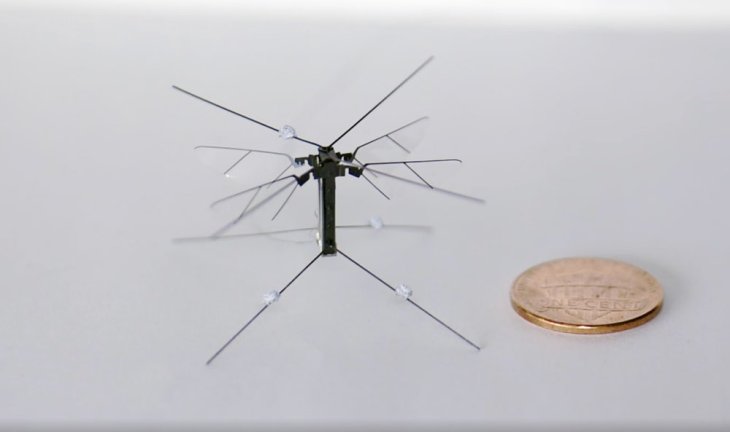
The team told MIT Technology Review that these new approaches will bring more advantages in size, weight, and aerodynamics to make manufacturing and control easier. A reprint of the Bee+ study has been published to the preprint repository arXiv.
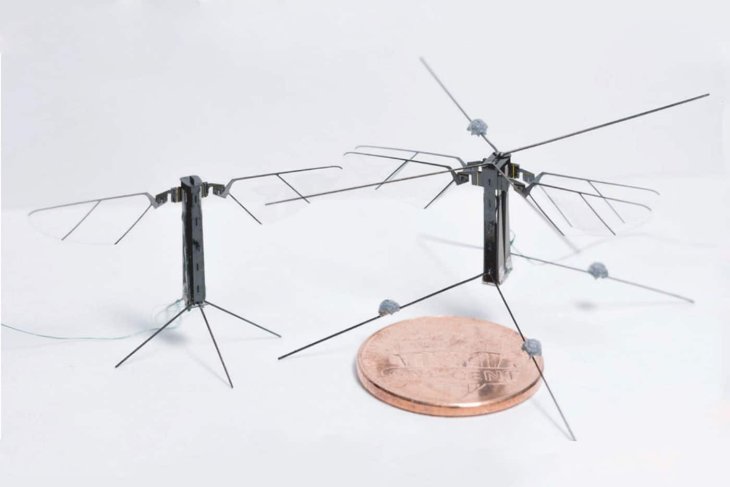
A setback of both Bee+ and RoboBee is that they are not drones. That means they are still connected to the wire for energy. However, until the day battery technology caught up with nano-sized robot technology, Bee+ could fly by itself without any wired connection.
Featured Stories

Features - Mar 24, 2026
How to Use GeForce NOW to Play Video Games Without Actual Hardware

Features - Jan 29, 2026
Permanently Deleting Your Instagram Account: A Complete Step-by-Step Tutorial

Features - Jul 01, 2025
What Are The Fastest Passenger Vehicles Ever Created?

Features - Jun 25, 2025
Japan Hydrogen Breakthrough: Scientists Crack the Clean Energy Code with...

ICT News - Jun 25, 2025
AI Intimidation Tactics: CEOs Turn Flawed Technology Into Employee Fear Machine

Review - Jun 25, 2025
Windows 11 Problems: Is Microsoft's "Best" OS Actually Getting Worse?

Features - Jun 22, 2025
Telegram Founder Pavel Durov Plans to Split $14 Billion Fortune Among 106 Children

ICT News - Jun 22, 2025
Neuralink Telepathy Chip Enables Quadriplegic Rob Greiner to Control Games with...

Features - Jun 21, 2025
This Over $100 Bottle Has Nothing But Fresh Air Inside

Features - Jun 18, 2025
Best Mobile VPN Apps for Gaming 2025: Complete Guide
Read more

Mobile- Apr 25, 2026
iPhone 18 Rumors Suggest a Significant RAM Upgrade to 12GB
Apple continues to refine its flagship smartphone lineup with each new generation, and fresh supply chain reports point to a notable memory boost for the 2026 model.

Mobile- Apr 23, 2026
iPhone 18 Pro Kicks Off Apple's Sweeping Camera Improvement Initiative: What to Expect in Future Models
As the iPhone 18 Pro hits shelves this fall, it offers a tantalizing preview of what is possible.
Comments
Sort by Newest | Popular