Scientists Want To Send 6.7 Million Samples, Including Sperm, To The Moon
Dhir Acharya - Mar 15, 2021
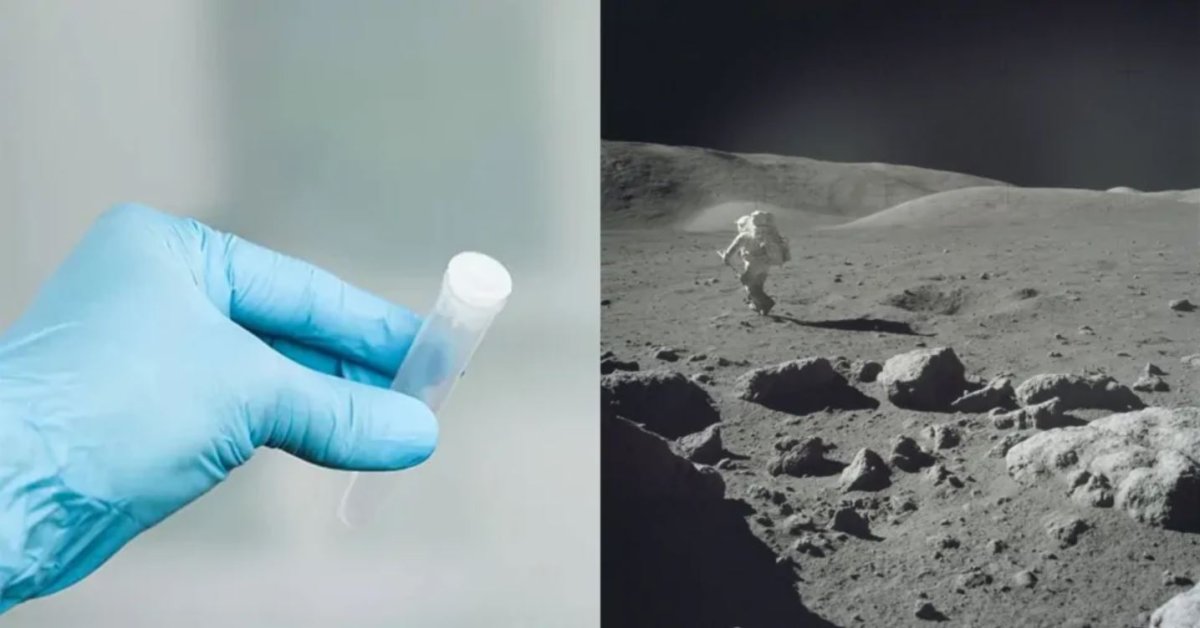
Scientists want to store them in a solar-powered vault too. They said this could help mankind repopulate in case of a catastrophic disaster.
- Japan Hydrogen Breakthrough: Scientists Crack the Clean Energy Code with Mind-Blowing 1,000% Efficiency Jump
- 'Five-second rule' For Food Dropped On The Floor: Is It True?
- Russia Will Build A Lunar Space Station With China Because It's Done With NASA
Scientists suggested that humanity could buy into a “modern global insurance policy” by storing 6.7 million sperm samples on the moon.
This will involve sending the ova and sperm samples of 6.7 million species on Earth to the Moon through multiple payloads. Then, the samples would be stored in a vault beneath the lunar surface.
New York Post reported that this solution is similar to the Doomsday seed vault that is holding over a million crop samples that originate from almost every country around the world.
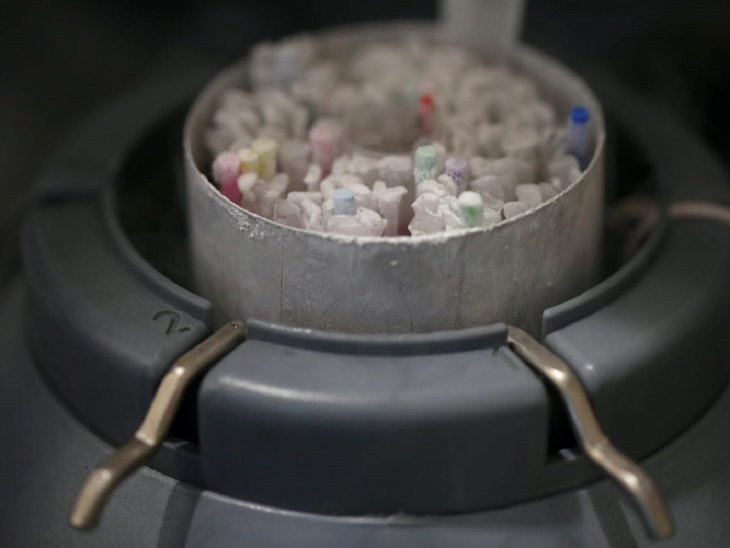
The idea was present at the Institute of Electrical and Electronics Engineers (IEEE) Aerospace Conference by six researchers from the University of Arizona. According to the researchers, this would protect humanity from extinction.
They said that the lunar ark could help mankind repopulate in case of a catastrophic disaster like a supervolcanic eruption, a deadly epidemic, widespread drought, a large-scale nuclear war, or an asteroid.
The study author Jekan Thangavelautham stated in his presentation, “Earth is naturally a volatile environment,” and that samples stored on the planet still remain vulnerable to massive disasters.
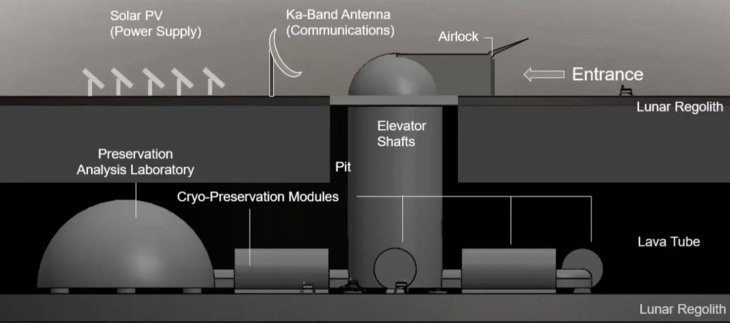
The scientists behind the study have also calculated and found it’s feasible to send eggs, sperm, spores, and seeds of about 6.7 million species to the Moon. Thangavelautham said that the samples can be sent to the Moon in 250 flights. To compare, building the ISS involved 40 trips.
To prevent the samples from welding together or freezing beneath the lunar surface, they suggested that the facility run on solar panels. Doctoral student Álvaro Díaz-Flores Caminero said projects like this are bringing mankind closer to achieve a space civilization and we may soon settle down on Mars and the Moon.
“Multidisciplinary projects are hard due to their complexity, but I think the same complexity is what makes them beautiful.”
>>> Soviet Engineers Detonated A Nuclear Bomb To Put Out A Three-Year Fire
Featured Stories

Features - Mar 24, 2026
How to Use GeForce NOW to Play Video Games Without Actual Hardware

Features - Jan 29, 2026
Permanently Deleting Your Instagram Account: A Complete Step-by-Step Tutorial

Features - Jul 01, 2025
What Are The Fastest Passenger Vehicles Ever Created?

Features - Jun 25, 2025
Japan Hydrogen Breakthrough: Scientists Crack the Clean Energy Code with...

ICT News - Jun 25, 2025
AI Intimidation Tactics: CEOs Turn Flawed Technology Into Employee Fear Machine

Review - Jun 25, 2025
Windows 11 Problems: Is Microsoft's "Best" OS Actually Getting Worse?

Features - Jun 22, 2025
Telegram Founder Pavel Durov Plans to Split $14 Billion Fortune Among 106 Children

ICT News - Jun 22, 2025
Neuralink Telepathy Chip Enables Quadriplegic Rob Greiner to Control Games with...

Features - Jun 21, 2025
This Over $100 Bottle Has Nothing But Fresh Air Inside

Features - Jun 18, 2025
Comments
Sort by Newest | Popular