School Using Microsoft HoloLens To Simulate Nuclear Power Plant
Arnav Dhar - Mar 01, 2019
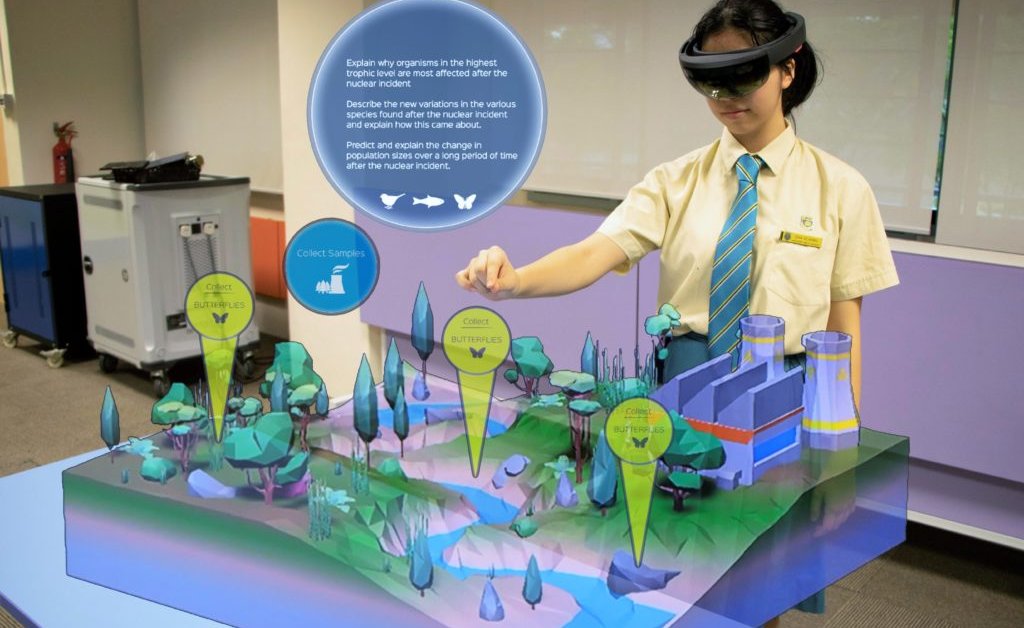
As part of the school's Biology curriculum, students at Crescent Girls' School in Singapore will use Microsoft HoloLens to learn more about biology and ecology.
- The Ultimate Tech Betrayal: OpenAI's Nuclear Revenge Plot Against Sugar Daddy Microsoft
- Microsoft Notepad Gets Major Update: Bold Text, Hyperlinks, and Markdown Support
- Microsoft Surface: A Shift from Innovation to Stability?
If you have ever dreamt of studying using the innovative virtual technology to better understand the knowledge, you will envy these Singaporean students for the luckiness of experiencing this. Students at Crescent Girls' School in Singapore will utilize Microsoft HoloLens to become geneticists and ecologists to do field trip work around a nuclear power plant site.
The hybrid reality gadget will likewise enable them to use some scientific instruments, for example, Geiger counters and DNA sequencers. This will help them better imagine the effects of radiation on the biological and ecological environment.
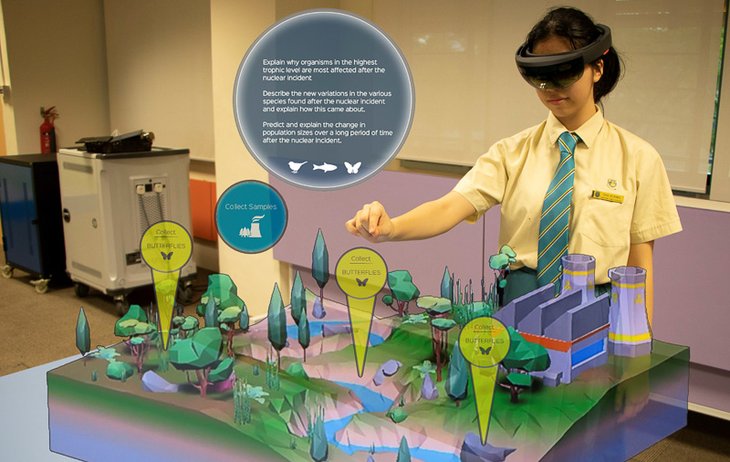
Named Eco-lysis and created by a Singaporean hybrid reality startup called Serl.io, the experience is a part of a module in Crescent Girls' School's Biology educational program. The students are divided into groups, in which they'll need to co-work and figure out their way to deal with field works and examination. When the experiences are finished, the program creates a report dependent on what the attendants have found and they have to review their results on the research.
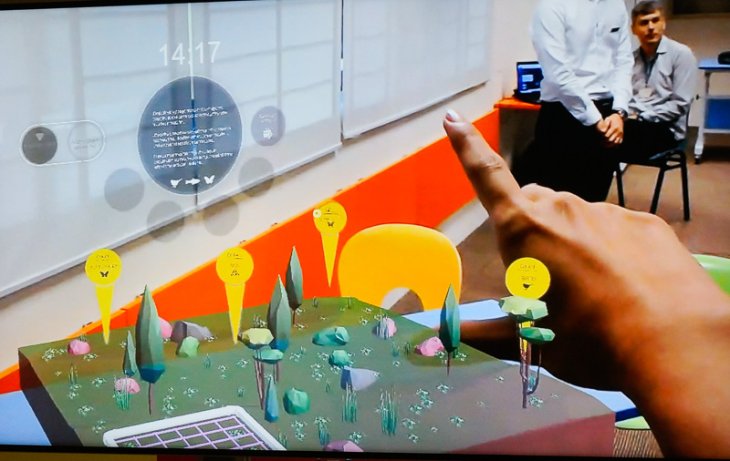
While this application of hybrid reality and the use of Microsoft Hololens seem to be truly intelligent and fun, a portion of the exercises are simplified and of course, won't provide a genuine experience. Nevertheless, the information produced, for example, the amount of radiation or genetic mutations, even the methods which are used to apply to field works, is sufficient and realistic enough to present the students with the basics of science.
The Crescent Girl's School and the firm didn't uncover how much the application costs, however, they implied that there are some promising aspects in the system, and would like to include more modules, for example, in physics, to the educational program. This will help open up more chances to incorporate virtual technology into education.
Featured Stories

Features - Mar 24, 2026
How to Use GeForce NOW to Play Video Games Without Actual Hardware

Features - Jan 29, 2026
Permanently Deleting Your Instagram Account: A Complete Step-by-Step Tutorial

Features - Jul 01, 2025
What Are The Fastest Passenger Vehicles Ever Created?

Features - Jun 25, 2025
Japan Hydrogen Breakthrough: Scientists Crack the Clean Energy Code with...

ICT News - Jun 25, 2025
AI Intimidation Tactics: CEOs Turn Flawed Technology Into Employee Fear Machine

Review - Jun 25, 2025
Windows 11 Problems: Is Microsoft's "Best" OS Actually Getting Worse?

Features - Jun 22, 2025
Telegram Founder Pavel Durov Plans to Split $14 Billion Fortune Among 106 Children

ICT News - Jun 22, 2025
Neuralink Telepathy Chip Enables Quadriplegic Rob Greiner to Control Games with...

Features - Jun 21, 2025
This Over $100 Bottle Has Nothing But Fresh Air Inside

Features - Jun 18, 2025
Comments
Sort by Newest | Popular