A New Type Of Bioplastic Does Not Require Soil Or Freshwater To Make
Aadhya Khatri
A new type of bioplastic that does not require a large amount of space or freshwater was made public by researchers of Tel Aviv University.
- Coca-Cola Plans To Replace Its Plastic Bottles With Paper Ones
- Plastic Particles Found Inside Unborn Babies, Experts Called This A Matter Of Great Concern
- This Enzyme Can Destroy Plastic In Days, Not Million Years
Making bioplastic has long been a race for researchers around the world. Lately, Tel Aviv University has published a paper on how to create this material without making use of water or land. This method harnesses microorganisms that take seaweed as the main food source.
This type of polymer is biodegradable, can be reduced to organic waste, and emits no toxic waste in the making.
A True Alternative to Plastic Is Hard To Achieve
Plastic is filling up in our oceans
This is not the first bioplastic to be produced though.
According to Dr. Alexander Golberg from TAU's Porter School, plastics are building up in the oceans, threatening the environment and animals. The process of making plastics also produces tons of chemical contaminants.
Bioplastic that is not made from petroleum can only solve parts of the problem. The bacteria and plants required to make these plastics consume freshwater and soil, which many countries, including Israel, do not have to spare.
This is where this new bioplastic proves its unique selling point. It is from marine microorganisms and can be turned into organic waste.
This New Bioplastic Requires Less Resource
The microorganisms in question take seaweed as the main source of food and then produce PHA (polyhydroxyalkanoate), a type of polymer. The seaweed that the creatures feed on can be bred in nature.
Dr. Golberg suggested that countries like India, China, and Israel should replace petroleum-sourced plastics to this new method, which can eliminate fossil fuel entirely from the manufacturing process without taking a lot of fresh water or space.
Plastic Is Filling Up Our Oceans
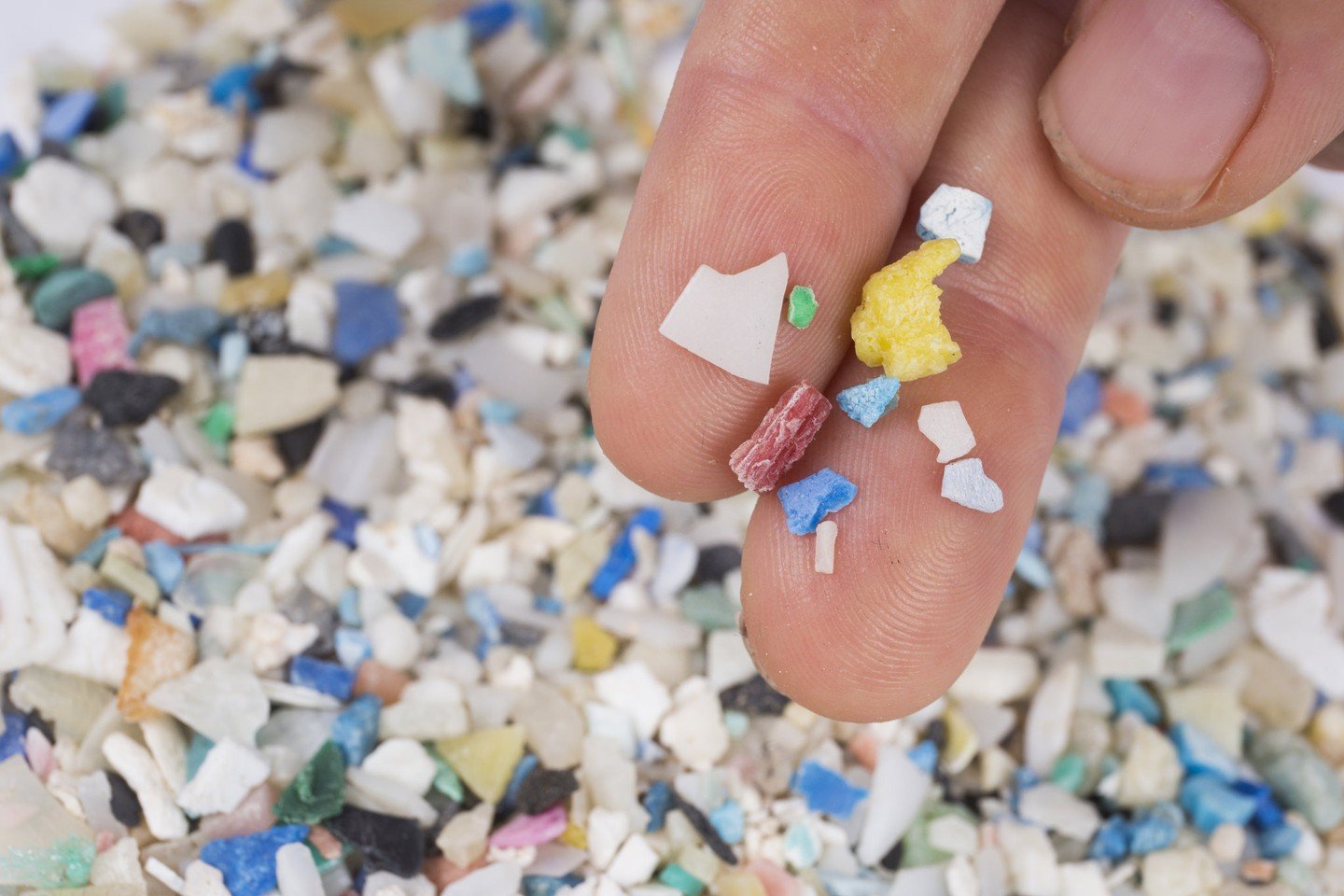
Plastic in the ocean can be fractured into smaller bits
Researchers have found out that plastics have made it to many remote parts of the oceans. Chinese Academy of Science revealed that the Marina Trench has become one of the most massive microplastic sinks. Additionally, according to their research, the plastic level increases corresponding to the deeper sea level, peaking at 13.51 pieces per liter.
Tackling ocean plastic pollution is extremely challenging as they usually fracture into microplastic that bare eyes cannot detect. An even worse piece of news is that the deeper researchers look, the higher level of plastics is found.
Featured Stories
Features - Mar 24, 2026
How to Use GeForce NOW to Play Video Games Without Actual Hardware
Features - Jan 29, 2026
Permanently Deleting Your Instagram Account: A Complete Step-by-Step Tutorial
Features - Jul 01, 2025
What Are The Fastest Passenger Vehicles Ever Created?
Features - Jun 25, 2025
Japan Hydrogen Breakthrough: Scientists Crack the Clean Energy Code with...
ICT News - Jun 25, 2025
AI Intimidation Tactics: CEOs Turn Flawed Technology Into Employee Fear Machine
Review - Jun 25, 2025
Windows 11 Problems: Is Microsoft's "Best" OS Actually Getting Worse?
Features - Jun 22, 2025
Telegram Founder Pavel Durov Plans to Split $14 Billion Fortune Among 106 Children
ICT News - Jun 22, 2025
Neuralink Telepathy Chip Enables Quadriplegic Rob Greiner to Control Games with...
Features - Jun 21, 2025
This Over $100 Bottle Has Nothing But Fresh Air Inside
Features - Jun 18, 2025